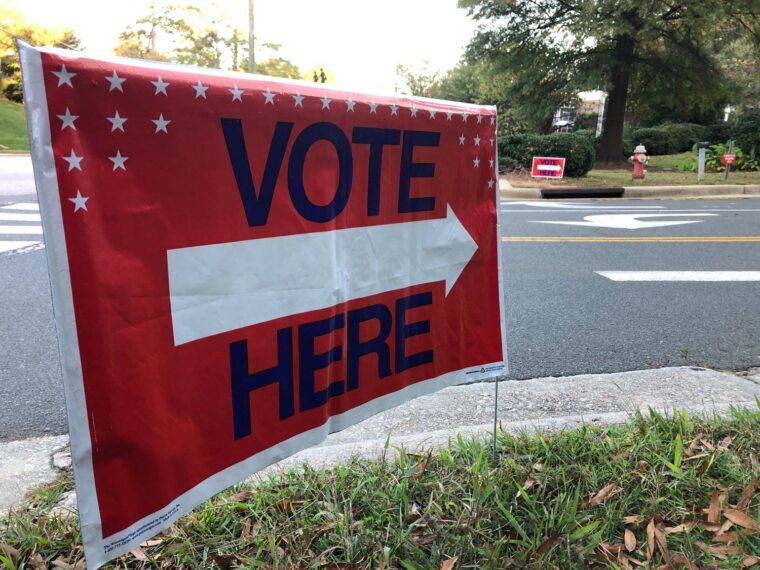
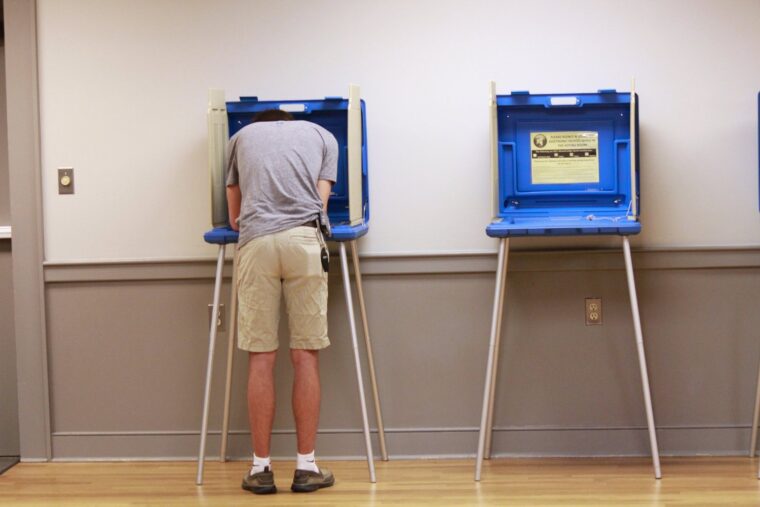
RALEIGH - North Carolina voters will decide three proposed constitutional amendments Nov. 3 covering voter identification, the state income-tax ceiling and limits on local property-tax increases.
North Carolina election rules covering absentee ballots, voter ID, recounts and voting-site procedures are scheduled for review by the state Rules Review Commission this week.
The State Board of Elections in North Carolina has approved ninety-nine types of student and government IDs for use in voting, in line with the state's new voter ID requirement. IDs from all UNC System public universities and many private institutions, including Duke University and Davidson College, are included. These approved IDs are valid for voting through December 31, 2024.
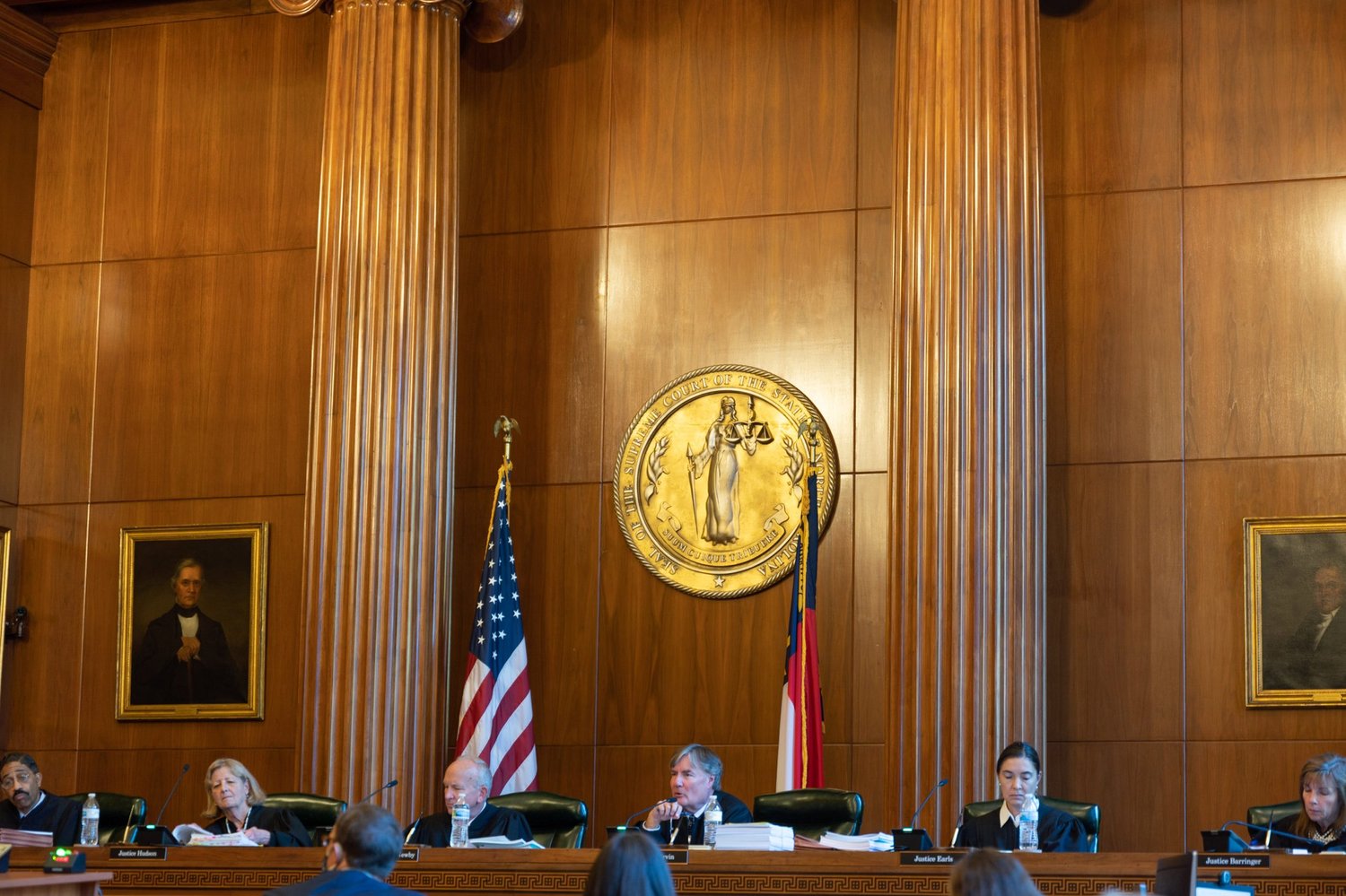
In a trio of opinions totaling 436 pages, the N.C. Supreme Court has restored North Carolina’s voter ID law, ruled that state courts cannot consider partisan gerrymandering claims, and ended voting for felons who have not completed their sentences.
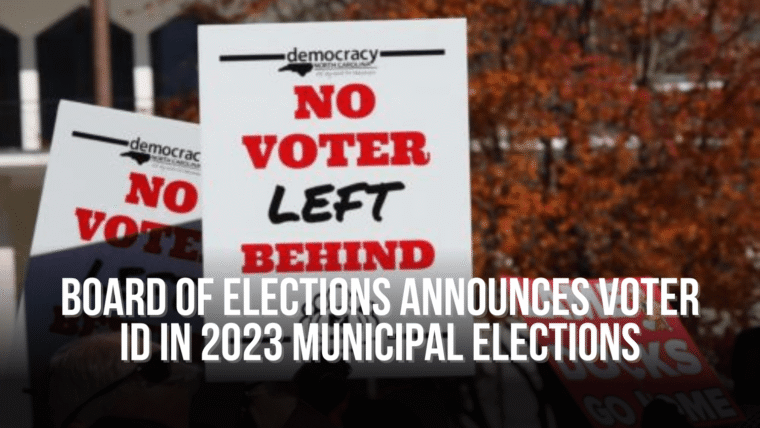
On Friday, the North Carolina State Board of Elections announced that voters will be required to show valid identification in order to vote in the 2023 municipal elections.
North Carolinians want their election laws to include a photo ID requirement. They’ve made this clear many times. In 2018, a large majority of voters chose to add such a requirement to the state constitution.
A three-judge Superior Court panel has ruled, 2-1, that felons who have completed their prison sentences in North Carolina must be permitted to vote. The ruling strikes down a 1973 state law that blocked voting by felons on probation, parole, or post-release supervision.
North Carolina's 2018 voter ID law complies with the state constitution and should survive a legal challenge. That's according to briefs submitted in the N.C. Supreme Court from state legislative leaders and the N.C. Justice Department.
The N.C. Supreme Court has agreed to take up a lawsuit challenging North Carolina's voter ID law. The high court's decision removes the case from the state Court of Appeals and places it on a faster track for final resolution.