
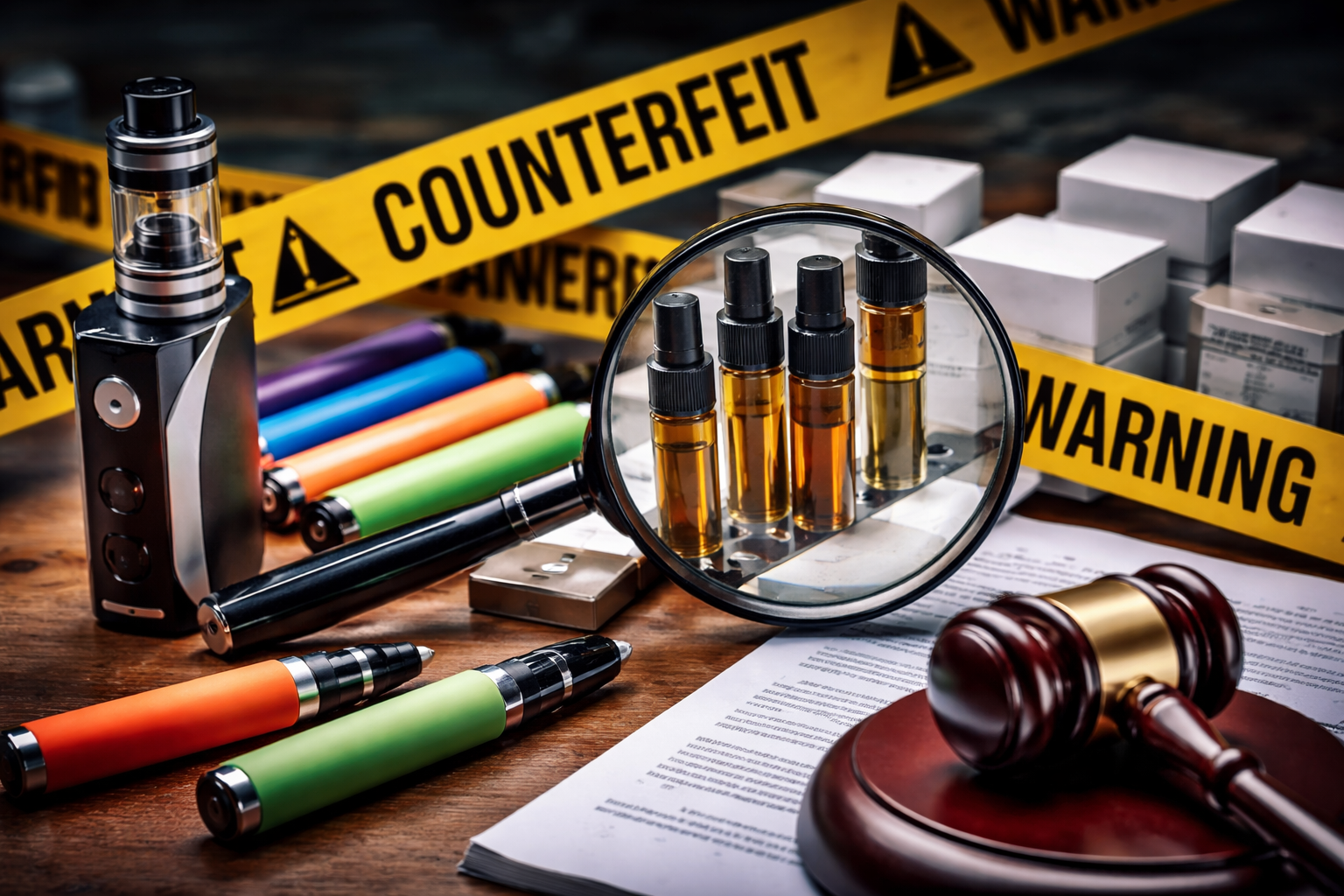
Attorney General Jeff Jackson asks NC Supreme Court to review counterfeit vape battery case
North Carolina Attorney General Jeff Jackson is asking the state Supreme Court to hear a case involving a man who was badly burned when a battery intended for use in a vaping device exploded in his pocket, arguing in an amicus brief that the Court of Appeals ruling could leave injured consumers without a remedy against retailers and distributors.
According to a published North Carolina Court of Appeals opinion filed Feb. 18, 2026, Weaver suffered serious injuries after a lithium-ion battery intended for use in a vaping device exploded on April 12, 2019, causing severe burns to his leg and hand. The court said Weaver alleged he purchased the batteries from MadVapes stores operated by AMV Holdings and MVRB2, and later sued those companies as well as distributor Medusa Distribution.
The Court of Appeals affirmed summary judgment for the defendants, ruling that Weaver’s claims were governed by the North Carolina Products Liability Act and that the defendants could rely on the state’s sealed container defense. In its opinion, the court said Weaver’s evidence showed the explosion was caused by a latent internal manufacturing defect that could only be identified through CT scanning and expert analysis, not through ordinary inspection by the seller or distributor.
Jackson’s office said the battery involved in the case was counterfeit and argued the Supreme Court should review the decision because, in the attorney general’s view, allowing retailers and distributors to avoid liability in circumstances like these could leave injured consumers without a practical remedy. The Department of Justice said the case also raises broader concerns about dangerous vape products reaching store shelves, particularly given ongoing scrutiny of vaping products and youth access.
The appeals court opinion did not adopt Jackson’s broader policy arguments, instead focusing on the legal standards in the products liability statute and whether Weaver had produced enough evidence to overcome the sealed container defense. The court concluded he had not and upheld the dismissal of his remaining claims.
The Supreme Court has not yet issued a decision on whether it will hear the case. If the justices agree to review it, the dispute could become a more significant test of how far North Carolina law protects retailers and distributors when allegedly defective or counterfeit consumer products cause injury.