Jackson asks FAA to protect emergency drone use in no-fly-zone rules
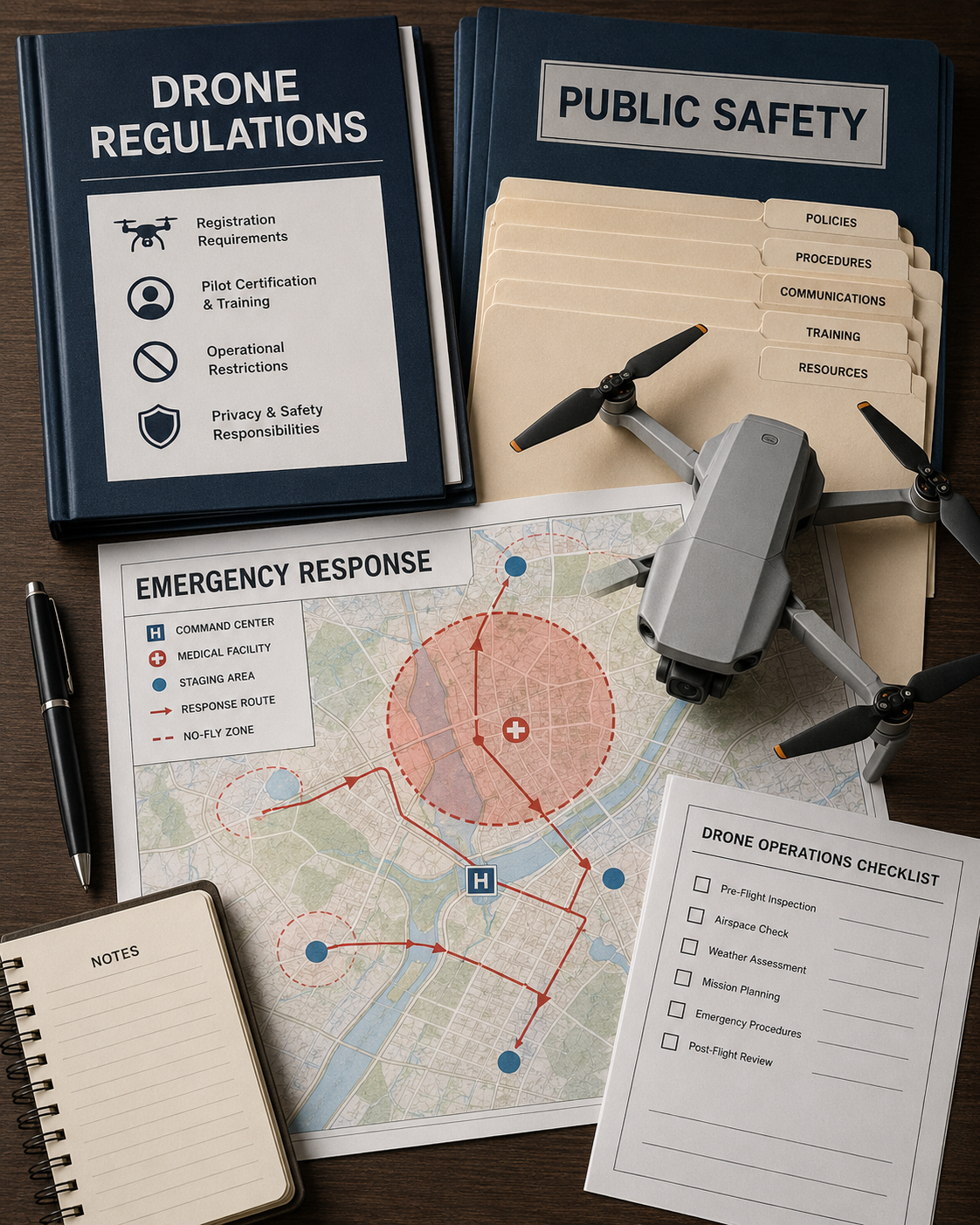
The attorney general says proposed federal drone restrictions should not slow disaster response, search and rescue, law enforcement or other emergency operations.
RALEIGH — Attorney General Jeff Jackson is urging federal aviation officials to revise proposed drone no-fly-zone rules to protect emergency responders and law enforcement operations.
Jackson’s office said Thursday that the Federal Aviation Administration is developing rules that would allow certain sensitive sites to receive federal no-fly-zone designations. Those sites could include prisons, large sports venues and critical infrastructure.
Jackson said he supports drone restrictions for sensitive sites but wants the FAA to make clear that emergency responders can still use drones when lives or public safety are at stake.
“Places like prisons and stadiums should be no-fly zones for drones so law enforcement can keep people safe,” Jackson said in a statement. “But those restrictions can’t get in the way of first responders or undermine North Carolina law.”
Jackson is asking the FAA to clarify that state and local first responders may fly drones over protected sites during emergencies. His office said drones are used in disaster response, search and rescue missions, law enforcement operations and other time-sensitive public safety situations.
The attorney general also asked federal officials to ensure the rule would not override existing North Carolina laws restricting drones over sensitive sites, including prisons.
Other requests include creating a single location for all no-fly-zone listings so drone operators have current information and clarifying that new rules would not alter existing state and local authorization to detect or stop hostile drones over sensitive sites.
Jackson joined attorneys general from Arizona, California, Colorado, Delaware, Illinois, Minnesota, New Jersey, New York and Vermont in sending the comments to the FAA.
The issue places North Carolina in a broader national debate over how to balance drone restrictions around sensitive facilities with the growing use of drones by emergency responders.
Editor’s note:
This article was drafted with the assistance of artificial intelligence and was reviewed and fact-checked by a member of the NC Political News editorial team before publication.