John Hood: Democratic Wave Crushes GOP Candidates
RALEIGH — The odd-year elections yielded precisely what all the warning signs of 2025 portended: a strong Democratic wave that crushed Republican nominees in the gubernatorial races of New Jersey and Virginia, gave Democrats their largest legislative majorities in decades in both states, delivered left-wing results in various ballot initiatives, and elected a hate monger as attorney general of Virginia and a socialist as mayor of New York.
Here in North Carolina, the GOP took a beating in both partisan and (officially) nonpartisan races for municipal office. In Charlotte, Republicans lost one of the two seats they previously held on the 11-seat city council. In Wake County, Democrats won 25 of the 27 municipal races in which they made an endorsement, including several mayoral seats previously held by Republicans or conservative independents. They enjoyed comparable success in other urban communities, too, including clean sweeps in Wilmington and Greensboro.
I won’t assert that local matters were irrelevant to these outcomes. In other circumstances, the high-propensity voters who turn out in odd-year cycles might well have chosen more right-leaning candidates over left-leaning ones based on specific issues or candidate quality. Indeed, some right-leaning candidates did prevail last week, especially in smaller cities and towns where Democratic registration has been shrinking for some time.
But to deny the breadth and depth of the Democratic victories this year in North Carolina and beyond would be to deny obvious facts. It is the appointed task of conservatives to accept reality as it is rather than as one might wish it to be.
If congressional races had been held nationwide in 2025 rather than 2026, Democrats would certainly have taken the U.S. House and perhaps even the U.S. Senate. If North Carolina’s legislative and county races had occurred this year, the GOP’s legislative majorities, not just its supermajority in the state senate, might have been at risk.
Like it or not — and just for the record, I dislike it intensely — our electoral politics have become nationalized. Many North Carolina voters went to the polls this year to vote against (or, to a lesser extent, for) Donald Trump, despite any meaningful connection between the president’s fiscal, regulatory, and foreign policies on the one hand and issues of municipal policy on the other.
A just-released YouGov survey for Catawba College’s Center for North Carolina Politics & Public Service showed Trump with 44% approval from North Carolinians, vs. 52% disapproval. The latest High Point University poll also had Trump upside down with all adults (40% to 49%) and registered voters (44% to 48%).
To say that the 2025 elections were a signal of Democratic rejuvenation is not to say the outcomes of future elections — the 2026 midterms and the presidential cycle of 2028 — are clearly visible or unchangeable. They remain contingent on decisions made by both parties over the coming months and years.
Will the Democratic Party, for example, become more like the newly elected mayor of New York, the demagogue Zohrab Mamdani, or the newly elected governor of Virginia, centrist former congresswoman and CIA officer Abigail Spanberger? If the former, it will lose winnable races in the many jurisdictions more competitive than the Big Apple. This really will be a choice, by the way. Mamdani was only one of many Democratic mayors elected last week, including relative moderates defeating hard-left candidates in such cities as Detroit and Minneapolis.
As for Republicans, Trump and other candidates fared well in 2024 by running against the Biden-era surge in inflation. Exit polls confirm that the affordability of housing, food, health care, and other necessities remains a top priority for voters. The president is now underwater on that issue, too, in part because of his fondness for import taxes and their inevitable effects on consumer prices. At the state and local levels, too, GOP and center-right candidates stumble when their attention wanders away from the bread-and-butter issues important to persuadable voters.
If Republicans keep committing such unforced errors, next year’s midterms will be brutal.
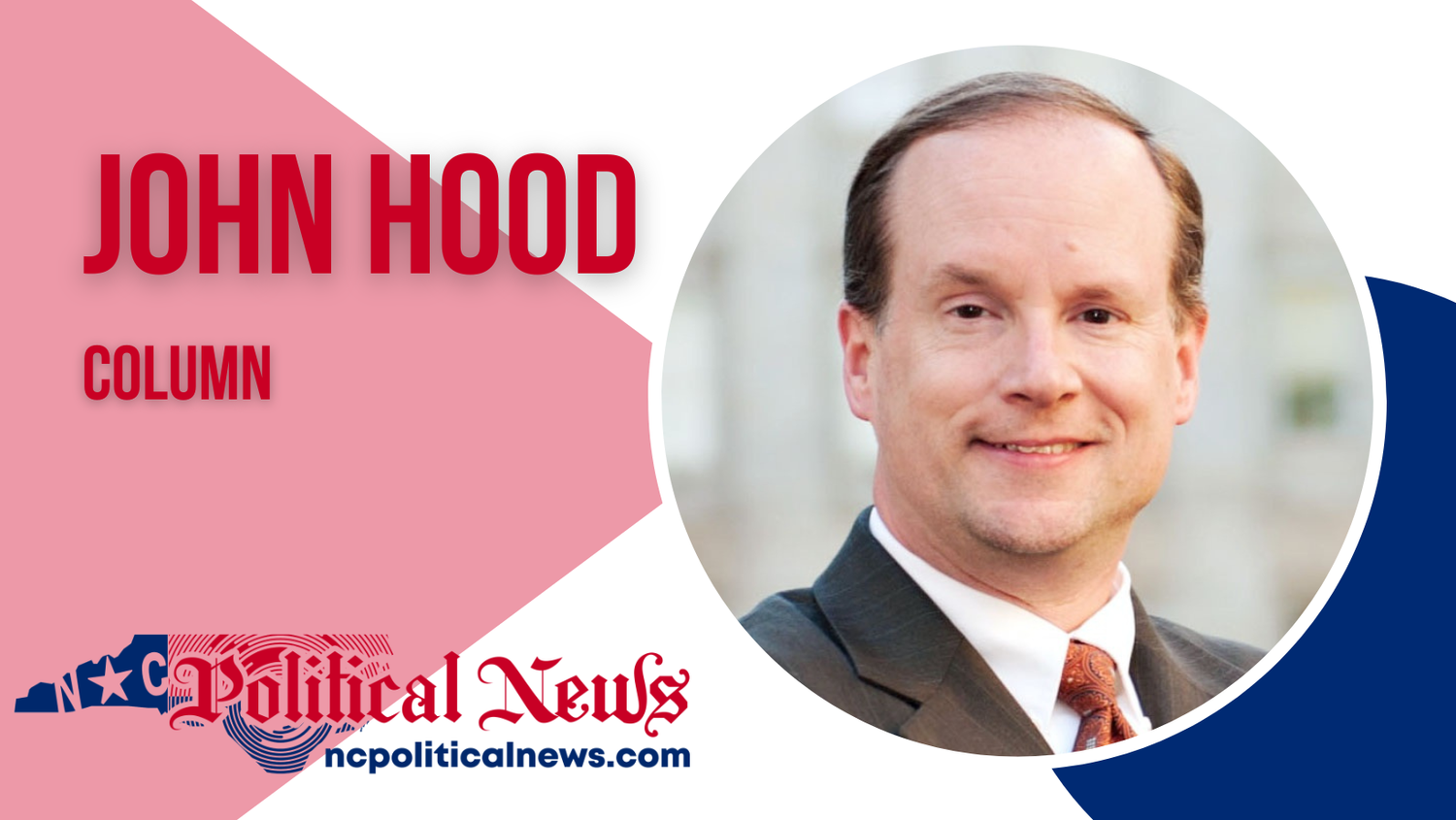
John Hood is a John Locke Foundation board member. His books Mountain Folk, Forest Folk, and Water Folk combine epic fantasy with American history (FolkloreCycle.com).
Are you tired of being bombarded by paywalls and pop-up ads when trying to read the news? Do you believe that access to reliable political news should be free and accessible to everyone? Then we urge you to support NC Political News, a weekly electronic political news outlet.
NC Political News is committed to providing high-quality, unbiased political reporting with columnists from all political sides. Unlike other news outlets, NC Political News is free to read and supported by businesses who purchase ad space on our website and in our newsletter, which goes out Monday through Friday at 7:00 am. This means that readers like you can access the news without being asked to pay a cent or dealing with frustrating advertisements.
However, to continue providing this valuable service, NC Political News needs your support. If you believe in the importance of accessible, free news, we urge you to click the image below. Any amount of support is appreciated.
Together, we can keep the news free and help ensure our state stays informed and connected.