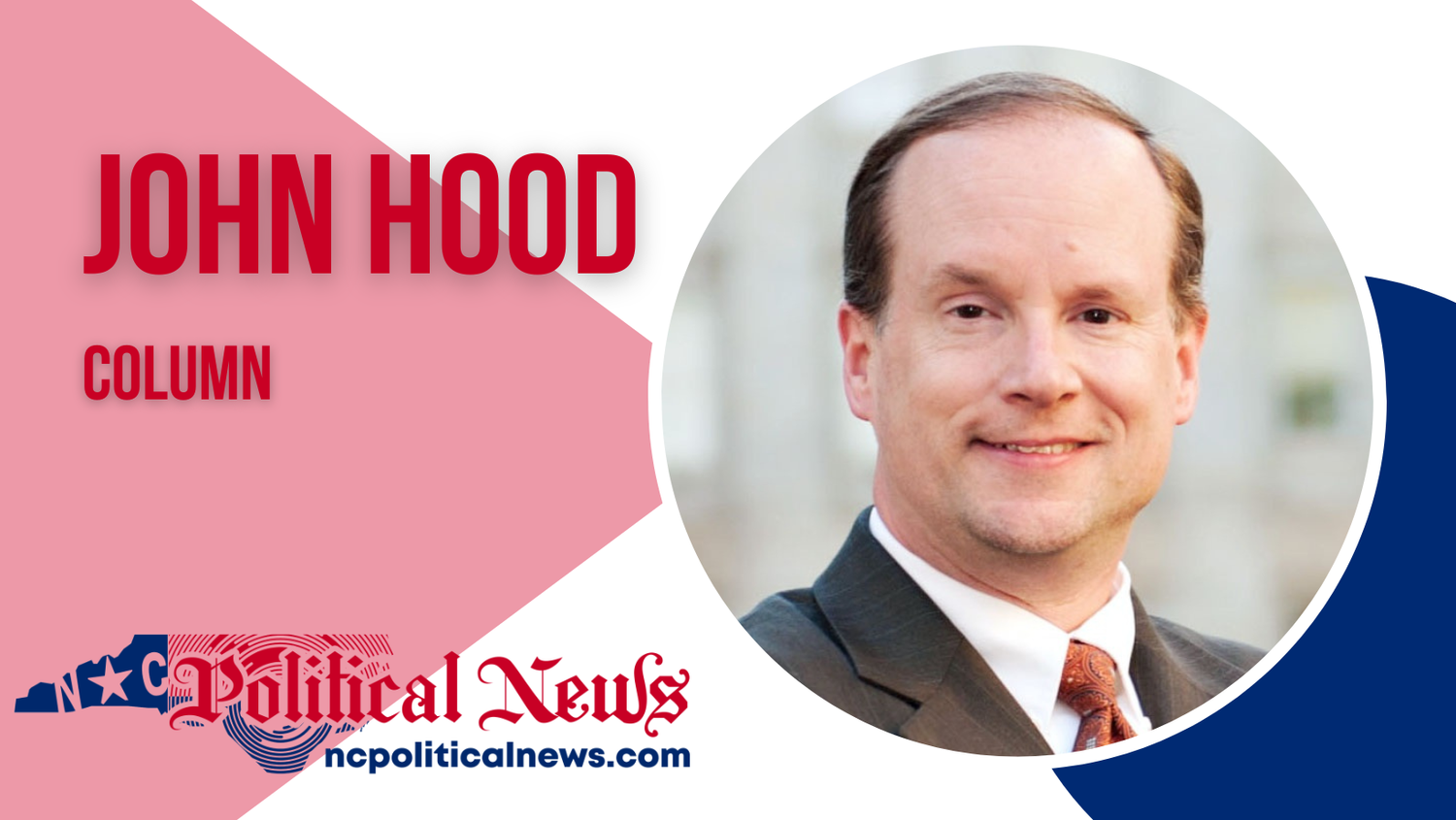
John Hood: Demographic Challenge Isn’t Going Away
RALEIGH — North Carolina’s economy just posted a sizzling 5.6% growth rate. Since 2020, average income per North Carolinian rose faster than the national and regional averages. And our headline unemployment rate in December was 3.9% — quite low by historical standards.
So why I am not all smiles? Because another important measure is heading in the wrong direction. According to the latest data from the U.S. Bureau of Labor Statistics, the share of working-age people who are either working or looking for a job has been dropping for nearly four years.
Before the onset of COVID-19 in early 2020, North Carolina’s labor force participation rate had for many years fluctuated between 61% and 61.6%. Another measure, the ratio of employed people to the general population, rose fairly steadily from 57.5% in January 2015 to 59.2% in January 2020.
Then came the pandemic. Employment crashed for several months, then bounced back in 2021, then started declining again in 2022. As of December, just 59.2% of North Carolinians over 16 are in the labor force. The employment-to-population ratio is 56.9%. In both cases, we are below the national average.
To be clear, though, the Bureau of Labor Statistics measurements of labor force participation and the employment-to-population haven’t just declined in our state. They’ve gone down in lots of other places, too. And even for the nation as a whole, while labor force participation and the employment-to-population ratio haven’t tumbled since 2022, they remain below pre-pandemic levels.
In part, these trends reflect the aging of the population. No doubt you’ve already heard some version of this story many times. We are living longer than before, and in particular we are living longer after retirement than previous generations of Americans did. On the other end of the labor pipeline, our rates of family formation and fertility are lower than they used to be. Everything else being equal, the ratio of workers to retirees must shrink.
Why care about that? Because retirees rely on those still in the labor market to supply their needs, either directly (because they’re being cared for by children or other relatives) or indirectly (because workers pay taxes into Medicare and Social Security, staff the companies from which retirees earn investment returns, and produce the goods and services that retirees consume). Again, everything else being equal, a smaller number of workers supporting a larger number of retirees might end in economic or political catastrophe.
All things are not, however, equal. There are multiple ways out of this doom cycle. One is immigration. Importing working-aged people expands the base of the pyramid, at least for a time, and perhaps for longer than that if the newcomers have persistently higher fertility rates than native-born citizens.
Another is innovation. If we organize workers more efficiently, or make them more productive through training and technology, or supplement their labor with robotics and artificial intelligence, they may well be able to generate enough economic value not just to support non-working adults (and children) but to continue to raise their standard of living over time.
Finally, we can try to change the parameters of the scenario directly. That is, we can induce more young people to marry and have children, induce more working-aged people to get off the sidelines and back into the labor force, and induce more older people to work full- or part-time long past the standard retirement age.
On this high-stakes quiz, my answer is, unabashedly, “all of the above.” And yet I recognize that reforming immigration is politically challenging, and expanding automation and AI is becoming so. I recognize that many non-elderly people outside the labor force have caregiving responsibilities, debilitating physical or mental ailments, or other barriers that make it difficult to keep them productively employed. And I recognize that there may be limits to how much government can or should influence private decisions about marriage, fertility and retirement.
There are no easy answers — and the longer we wait, the harder they’ll get.
John Hood is a John Locke Foundation board member. His books Mountain Folk, Forest Folk, and Water Folk combine epic fantasy with American history (FolkloreCycle.com).
Are you tired of being bombarded by paywalls and pop-up ads when trying to read the news? Do you believe that access to reliable political news should be free and accessible to everyone? Then we urge you to support NC Political News, a weekly electronic political news outlet.
NC Political News is committed to providing high-quality, unbiased political reporting with columnists from all political sides. Unlike other news outlets, NC Political News is free to read and supported by businesses who purchase ad space on our website and in our newsletter, which goes out Monday through Friday at 7:00 am. This means that readers like you can access the news without being asked to pay a cent or dealing with frustrating advertisements.
However, to continue providing this valuable service, NC Political News needs your support. If you believe in the importance of accessible, free news, we urge you to click the image below. Any amount of support is appreciated.
Together, we can keep the news free and help ensure our state stays informed and connected.