John Hood: Federal Change Could Transform State Care
RALEIGH — Since the federal reconciliation bill was signed into law last month, fans and foes of the sprawling legislation have waged a war of words over its likely fiscal and economic effects. Some argue its permanent repairs to a broken business-tax code will boost capital investment, productivity, and wage growth. Others argue that adding trillions of dollars to federal deficits over the next decade is grossly irresponsible, risking stagflation or worse.
I agree with both of these arguments, actually, so I guess you can put me down as both friend and foe of the bill. Tightening eligibility and work requirements for welfare programs also strikes me as a big plus. Carving out new tax breaks for tips, overtime pay, and Social Security benefits? A big minus.
There’s one section that I don’t think has gotten nearly the attention it deserves, however — perhaps because it makes so much sense. The reconciliation bill clarified that primary-care contracts between medical providers and patients aren’t insurance arrangements.
Why is that important? Because health insurance is subject to extensive federal and state regulation, and because patients can’t typically withdraw funds from tax-free savings or flex accounts to pay insurance premiums.
North Carolina has long been a leader in direct primary care, a form of medical practice in which households pay a monthly “membership” fee in cash and in exchange obtain access to primary care when they need it. No insurance claims are generated and adjudicated. That reduces administrative costs for medical providers, who share the savings with their patients.
My friend Brian Forrest, an Apex physician who helped pioneer direct primary care, points to price transparency as another benefit. “A lot of consumers assume lab tests are really expensive,” he explained in a recent profile, “but a lot of times I can run a test for about a dollar at the exact same lab that charges $180 if you go through insurance.”
“When you cut out the insurance billing portion of it, the cost comes down enormously. We’re trying to make health care affordable.”
This isn’t an argument against health insurance. It’s a critical tool for pooling and managing risk. But using it to finance checkups and other routine care is like using a piledriver to plant potatoes.
Under the new federal law, direct primary care is explicitly distinguished from insurance. It can’t be regulated as such. And explicitly allowing households to tap health-savings accounts to pay membership fees will only expand the market for direct primary care.
Expansion is possible elsewhere, as well. A growing number of employers are funding direct primary care for their employees. James Capretta, a former White House budget analyst and congressional staffer, is urging the federal government to add comparable options to Medicare and Medicaid plans. North Carolina officials ought to pursue the same strategy for our Medicaid program and state employee health plan, both of which are struggling to keep up with rising costs.
Capretta, now a senior fellow at the American Enterprise Institute, recommends that such contracts include financial incentives for primary-care practices to keep their enrollees healthy. “Policymakers have been searching for a successful model that can break free from fee-for-service while putting providers in charge of care delivery, not insurance plans,” he wrote. “As usual, the private sector has come up with a solution that is market-tested and growing in popularity.”
Now, direct primary care isn’t a panacea. When it comes to health care policy, there is no panacea. Even if public subsidies were limited only to the poor and government didn’t artificially constrain competition in health care — an extreme counterfactual, unfortunately — its cost would be rising faster than overall inflation. As societies become wealthier and their residents live longer, the share of their incomes spent on food, clothing, shelter, and other immediate necessities inevitably declines. People spend more on services such as health care.
What policymakers should do is empower them to spend those dollars more wisely. Direct primary care can do that.
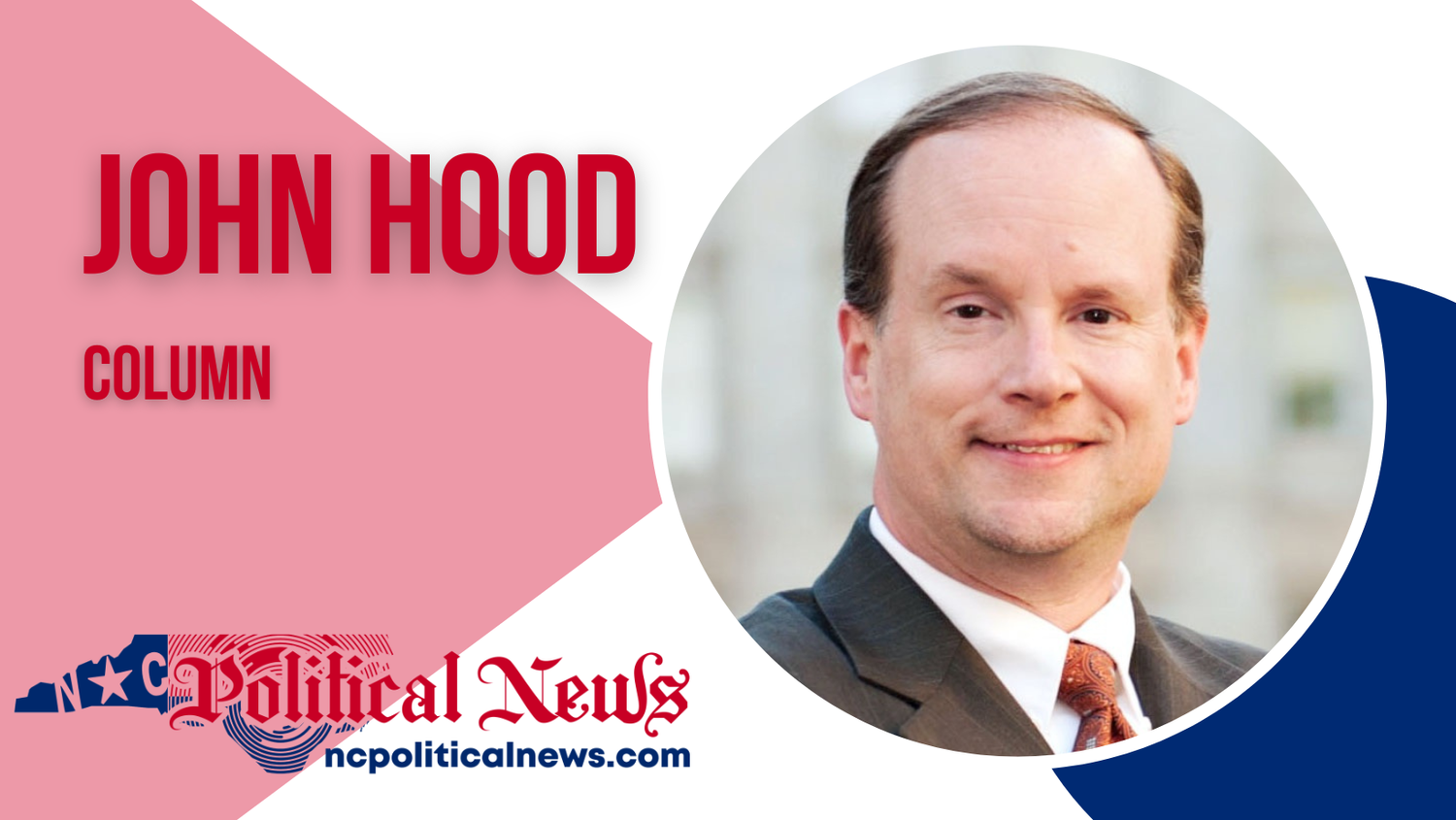
John Hood is a John Locke Foundation board member. His books Mountain Folk, Forest Folk, and Water Folk combine epic fantasy with American history (FolkloreCycle.com).
Are you tired of being bombarded by paywalls and pop-up ads when trying to read the news? Do you believe that access to reliable political news should be free and accessible to everyone? Then we urge you to support NC Political News, a weekly electronic political news outlet.
NC Political News is committed to providing high-quality, unbiased political reporting with columnists from all political sides. Unlike other news outlets, NC Political News is free to read and supported by businesses who purchase ad space on our website and in our newsletter, which goes out Monday through Friday at 7:00 am. This means that readers like you can access the news without being asked to pay a cent or dealing with frustrating advertisements.
However, to continue providing this valuable service, NC Political News needs your support. If you believe in the importance of accessible, free news, we urge you to click the image below. Any amount of support is appreciated.
Together, we can keep the news free and help ensure our state stays informed and connected.