John Hood: Transparency Will Help, Not Harm, Campuses
RALEIGH — I admit that I am not a career academic. But I have taught at the university level for many years, and leadership classes for decades. I can’t imagine any scenario in which sharing my course outlines or syllabi with the general public would impair my freedom, effectiveness, or reputation.
I also admit that many professors see the matter very differently. When Georgia recently required professors at public universities to post their syllabi for public consumption, the president of the state’s labor union for professors said he was “all for transparency” but only “to parties that have a stake in the classroom – which are, you know, students, and if you want to include parents in that.”
Here in our state, where University of North Carolina president Peter Hans has just issued an order requiring the posting of syllabi across all campuses in the system, the union president at UNC-Chapel Hill agreed that “transparency, accountability accessibility” were “important aspects of a public university system,” but insisted that the new policy was really about “capitulating to pressure at the state level and at the federal level to scrutinize faculty and intimidate faculty who are teaching unpopular subjects right now.” An online petition opposing Hans’s decision drew thousands of signatures.
I don’t think state or federal lawmakers should attempt to micromanage how professors teach or classes are structured. Having been involved in numerous campus activities as a funder or organizer, I am also a dogged proponent of academic freedom — which, in my experience, is most frequently violated by left-wing students shouting down speakers and left-wing faculty impeding a colleague from freely operating programs they dislike.
As an advocate of syllabus transparency for decades, however, I find the arguments against it wholly unpersuasive.
For starters, a syllabus doesn’t at all resemble research files, a book manuscript, or other work product a professor ought to be able to keep confidential. It is handed out, posted, or emailed to current or prospective students — who are, in turn, hardly sworn to secrecy. Posting syllabi on a publicly accessible website will certainly make it easier for people other than students to read them, but it doesn’t traverse some bright red line.
Second, for public universities, the universe of those with a legitimate interest in what is being taught extends far beyond students and parents. The University of North Carolina is a state agency placed explicitly by the state constitution under the supervision of the General Assembly. And it remains one of the most heavily subsidized university systems in the United States. Taxpayers, voters, and the legislators who represent them have every right to review course summaries and reading assignments — which are, once again, neither properly private work documents nor potentially dangerous state secrets.
As Peter Hans pointed out, confidence in higher education has been declining in part because the public perceives professors and administrators as placing personal interests or ideological causes above the institution’s proper priorities of preparing students to shoulder their professional, familial, and civic responsibilities. Transparency will help restore that public confidence.
“There is no question that making course syllabi publicly available will mean hearing feedback and criticism from people who may disagree with what’s being taught or how it’s being presented," Hans wrote in the News & Observer. “That’s a normal fact of life at a public institution, and we should expect a vibrant and open society to have debates that extend beyond the walls of campus.”
Samuel Abrams, a professor of politics and social science at Sarah Lawrence College, observed that academic freedom “exists to protect intellectual inquiry from coercion, not to shield publicly funded instruction from public view.”
“Transparency about course structure and readings is not ideological surveillance,” Abrams wrote in an American Enterprise Institute piece defending the new UNC policy. “It is basic accountability. Syllabi are not private correspondence. They are formal documents outlining expectations for students who pay tuition and, in public institutions, rely on taxpayer support.”
Precisely correct.
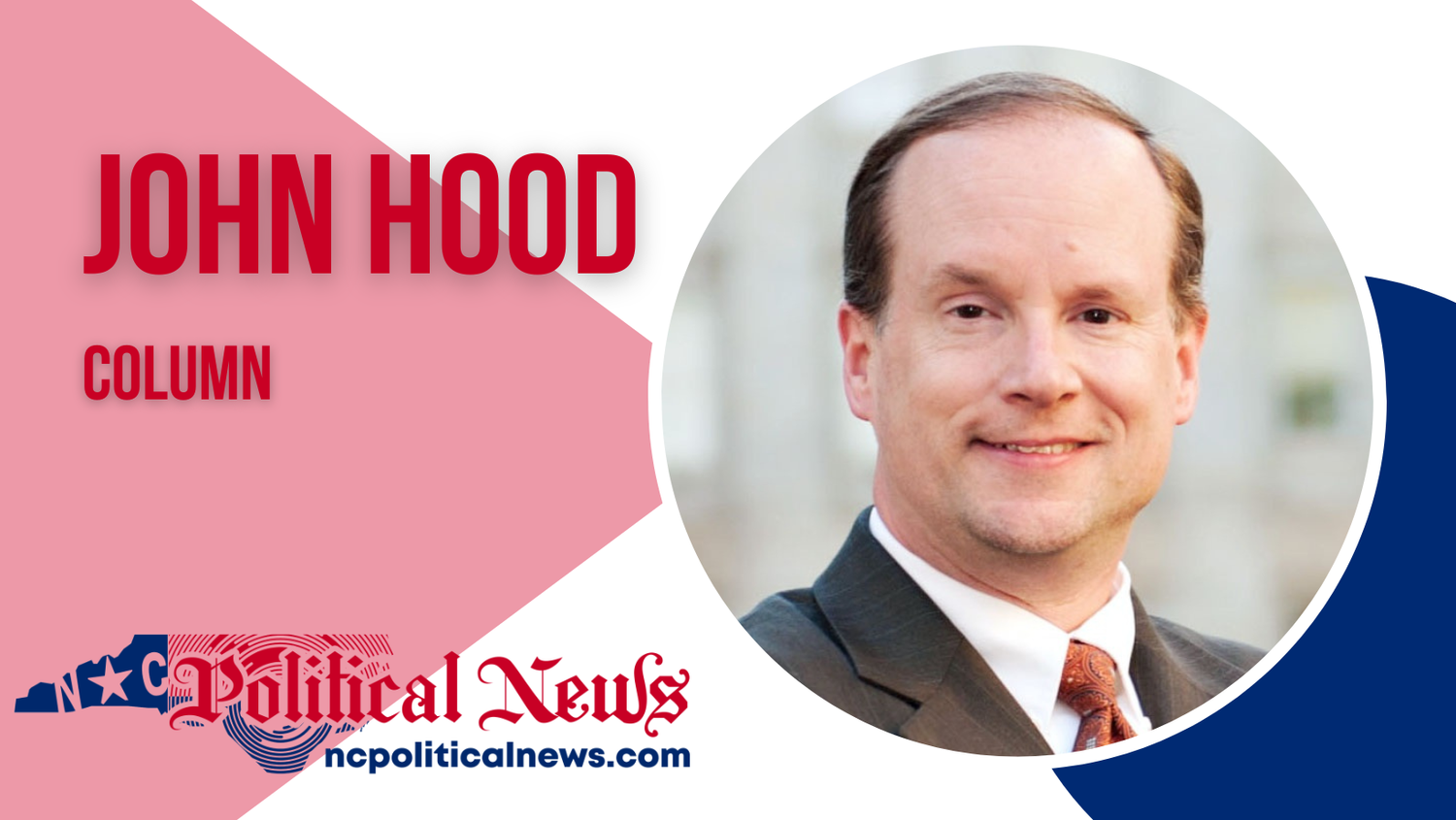
John Hood is a John Locke Foundation board member. His books Mountain Folk, Forest Folk, and Water Folk combine epic fantasy with American history (FolkloreCycle.com).
Are you tired of being bombarded by paywalls and pop-up ads when trying to read the news? Do you believe that access to reliable political news should be free and accessible to everyone? Then we urge you to support NC Political News, a weekly electronic political news outlet.
NC Political News is committed to providing high-quality, unbiased political reporting with columnists from all political sides. Unlike other news outlets, NC Political News is free to read and supported by businesses who purchase ad space on our website and in our newsletter, which goes out Monday through Friday at 7:00 am. This means that readers like you can access the news without being asked to pay a cent or dealing with frustrating advertisements.
However, to continue providing this valuable service, NC Political News needs your support. If you believe in the importance of accessible, free news, we urge you to click the image below. Any amount of support is appreciated.
Together, we can keep the news free and help ensure our state stays informed and connected.