
Marine Fisheries Commission weighs coastal habitat plan amendment
RALEIGH — The North Carolina Marine Fisheries Commission has received a draft 2026 amendment to the state’s Coastal Habitat Protection Plan, a policy document that guides how state regulators protect and restore habitats that support coastal fisheries.
The Department of Environmental Quality said the draft was presented during the commission’s quarterly business meeting in Raleigh last week. A vote to send the draft plan to public comment had originally been scheduled, but the commission chairman removed that vote from the agenda. DEQ said the vote will likely take place at the commission’s November or February meeting.
The plan is required under the Fisheries Reform Act, a 1997 state law that directs DEQ to develop coastal habitat plans for critical fisheries habitats. The plans must be adopted by the Marine Fisheries Commission, the Environmental Management Commission and the Coastal Resources Commission.
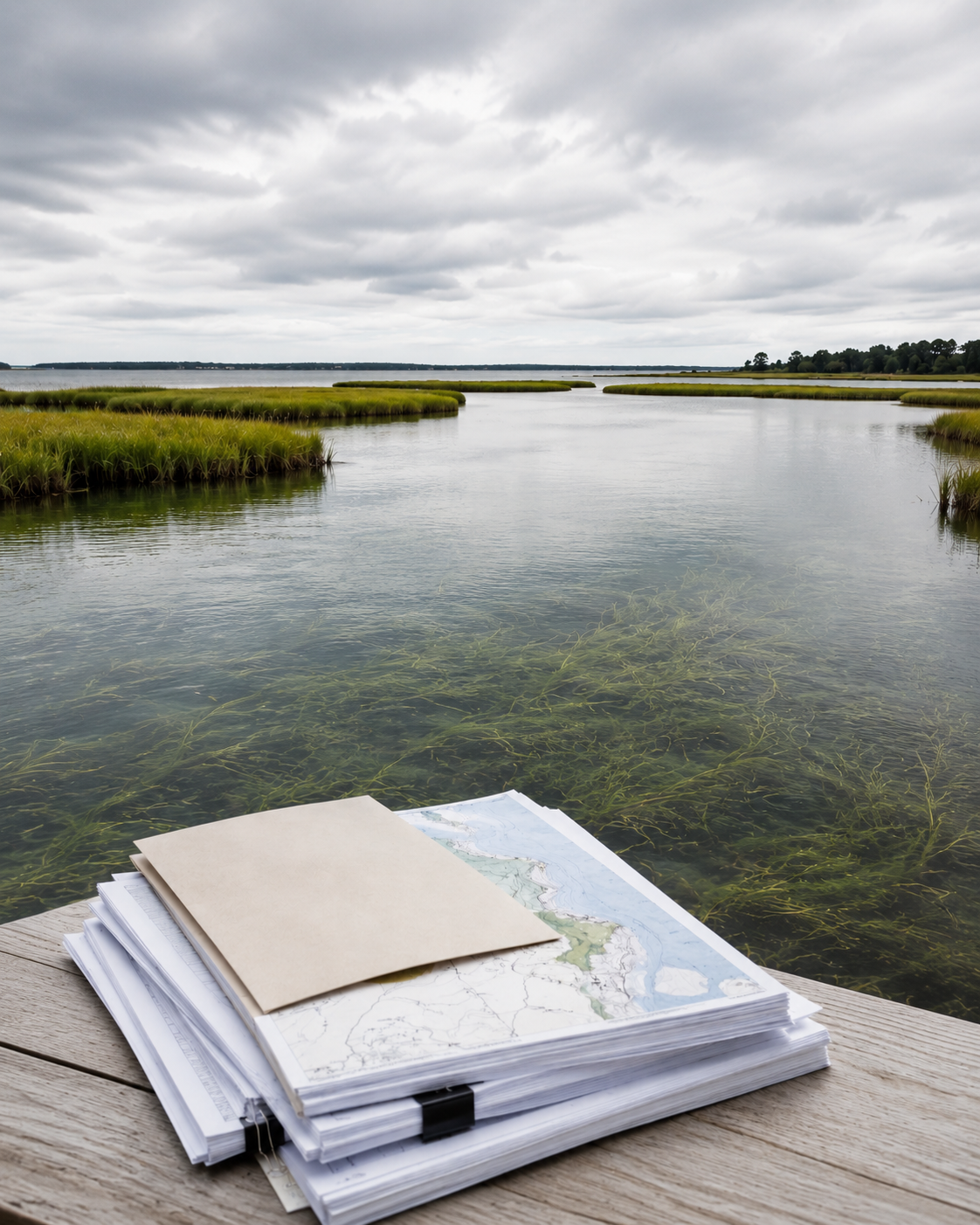
The draft 2026 amendment focuses on ecosystem-based management, submerged aquatic vegetation protection and restoration, long-term wetland change and validation of strategic habitat areas.
DEQ said draft recommendations include integrating ecosystem data into resource management decisions, developing a state ecosystem report card and beginning Marine Fisheries Commission rulemaking to create a habitat-based framework for impacts to water column, shell bottom, submerged aquatic vegetation, soft bottom and hard bottom habitats.
The draft also calls for collaboration on a water clarity standard to protect submerged aquatic vegetation and for work on strategic habitat area designations in the Albemarle and Pamlico Sound regions.
In other action, the commission approved a final determination that 335 Marine Fisheries Commission rules are necessary under the state’s mandatory periodic rule review law. The commission also voted to continue a rule suspension tied to gill net attendance requirements in portions of the Tar-Pamlico and Neuse rivers and nearby bays.
The issue is significant because it could shape future rulemaking and state management decisions affecting coastal habitats, fisheries and regulated coastal activity.
Editor’s note:
This article was drafted with the assistance of artificial intelligence and was reviewed and fact-checked by a member of the NC Political News editorial team before publication.