North Carolina to receive nearly $150 million in Purdue opioid settlement
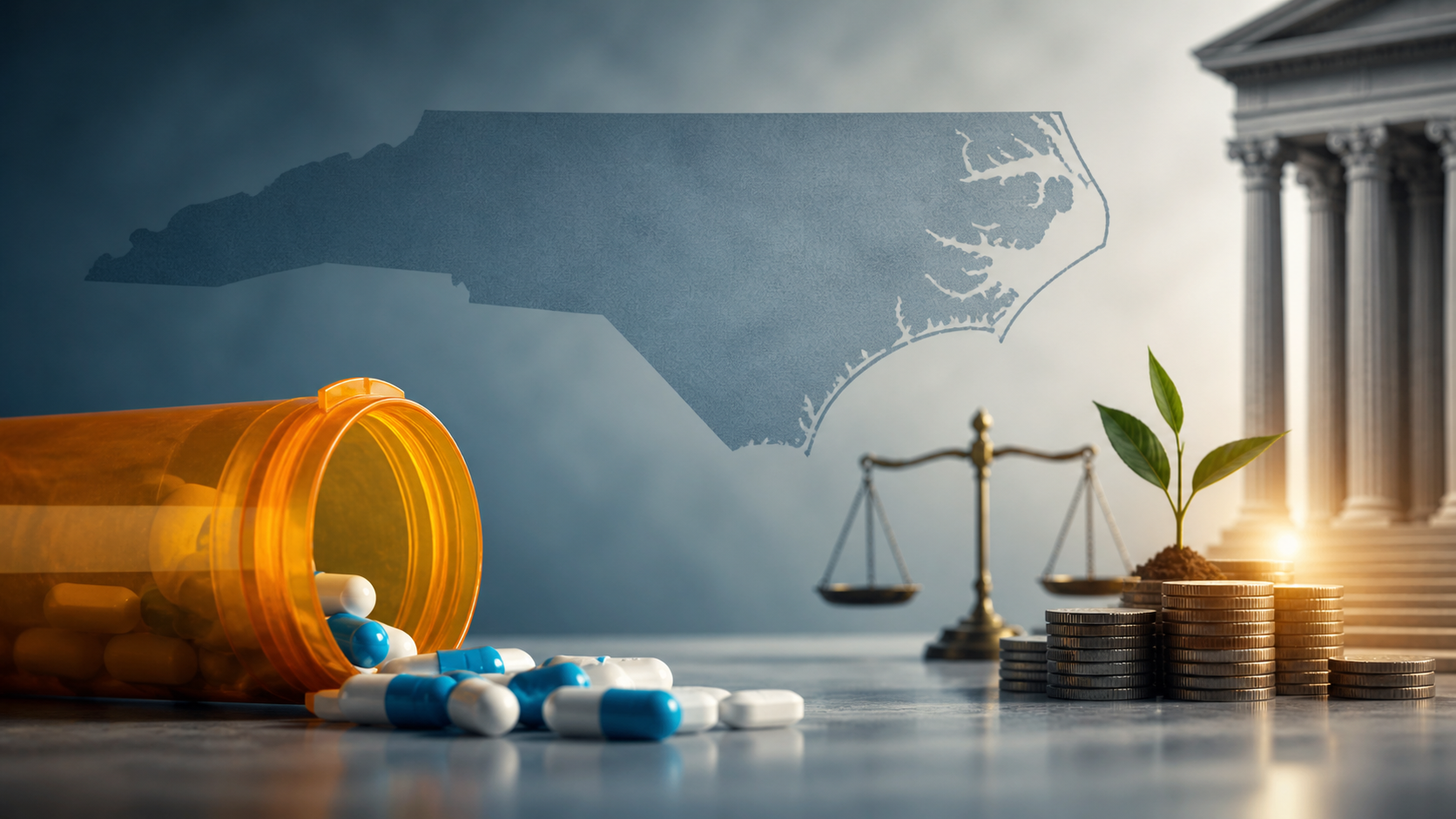
RALEIGH — North Carolina is expected to receive nearly $150 million from a national opioid settlement with Purdue Pharma and the Sackler family, Attorney General Jeff Jackson announced Friday.
The $7.4 billion settlement is now legally in effect and will send money to communities across the country for addiction treatment, prevention and recovery. The settlement also permanently bars the Sackler family from selling opioids in the United States.
“Purdue and the Sacklers built a business on getting people addicted to opioids. They knew what they were doing, and they did it anyway,” Jackson said in a statement. “This settlement bans them from ever selling opioids in this country again, and it puts $150 million into North Carolina for treatment and recovery. It’s the end of a long fight, and it’s the right outcome.”
The North Carolina Department of Justice said the settlement brings the state’s total opioid settlement funds to $1.6 billion, with local governments set to receive $1.3 billion.
The money comes after years of litigation over Purdue’s role in the opioid crisis. Attorneys general launched a multistate investigation of Purdue in 2016. North Carolina sued Purdue in 2018 and several members of the Sackler family in 2019.
Purdue filed for bankruptcy in 2019. State attorneys general later helped renegotiate the settlement after the U.S. Supreme Court invalidated a previous deal in June 2024, according to NCDOJ.
Fifty-five attorneys general representing eligible states and territories signed onto the settlement. The agreement resolves litigation against Purdue and the Sacklers related to allegations that they produced and aggressively marketed opioids in the United States.
Most settlement funds are expected to be distributed in the first three years. According to NCDOJ, the Sacklers are paying more than $1.5 billion now, followed by about $500 million in May 2027, another $500 million in May 2028 and $400 million in May 2029. Purdue is also paying about $900 million now.
The settlement also transfers Purdue’s manufacturing operations to Knoa Pharma LLC, a new company overseen by a board with no connection to Purdue, according to NCDOJ. The agreement prevents Knoa from marketing opioids and requires an independent monitor to oversee its operations.
Reuters reported that Purdue has ceased operations and concluded its bankruptcy, re-emerging as the nonprofit Knoa Pharma. The company is expected to sell overdose reversal and addiction treatment medications at or below cost.
The settlement also requires Purdue and the Sacklers to make public more than 30 million documents related to their opioid business.
North Carolina residents can track how local governments are using opioid settlement funds through CORE-NC, the Community Opioid Resources Engine. The site includes payment schedules, spending plans, past spending, annual narratives and local contacts for local governments receiving settlement money.
The settlement adds to a growing pool of opioid-related funds flowing to state and local governments. Those dollars are intended to support treatment, recovery, prevention and other opioid abatement work, but spending decisions will continue to depend heavily on state appropriations and local government plans.
Editor’s note: This article was drafted with the assistance of artificial intelligence and was reviewed and fact-checked by a member of the NC Political News editorial team before publication.