
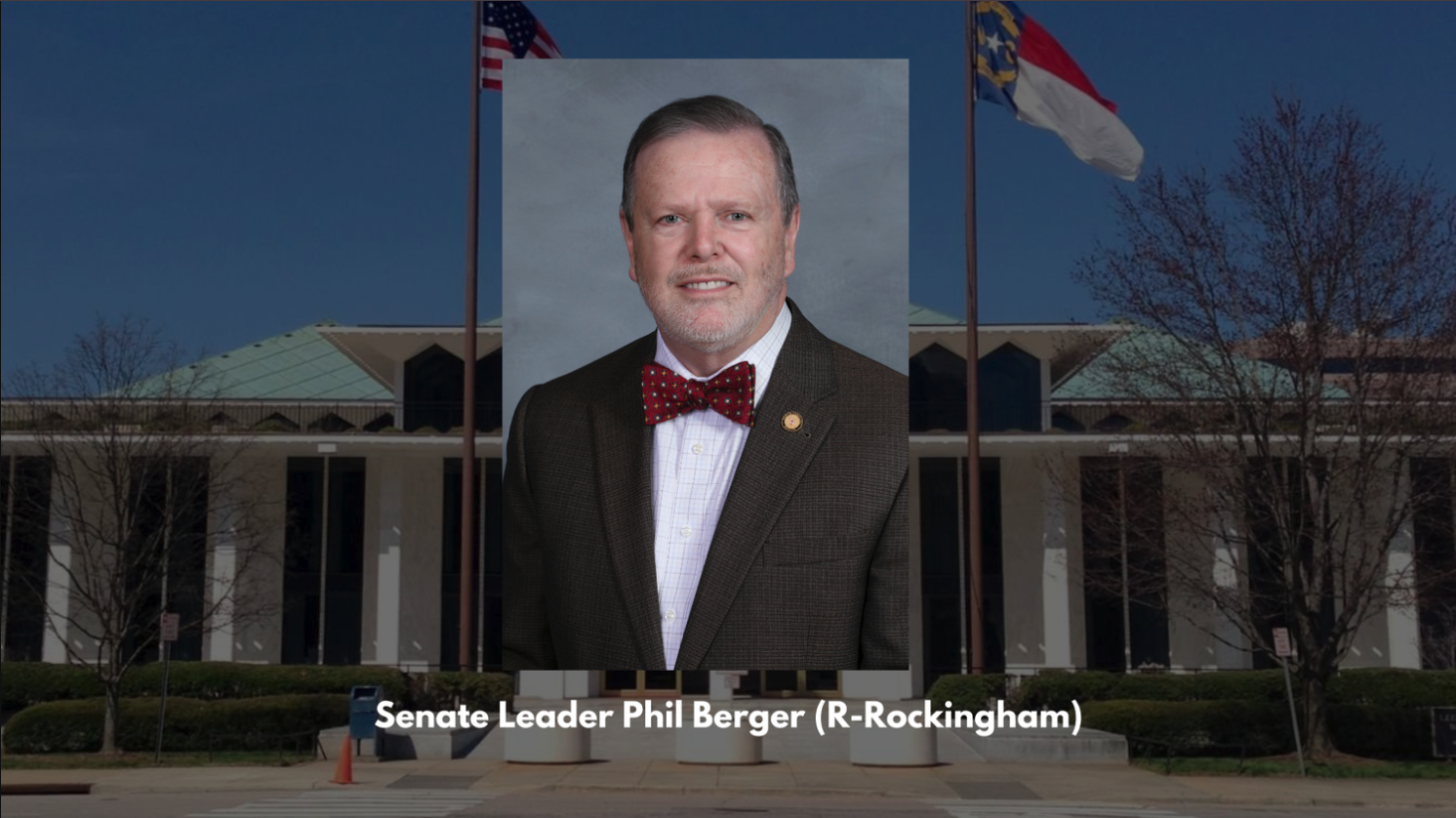
Raleigh, N.C. — The N.C. Senate gave final approval to Senate Bill 889, which halts property tax revaluation changes in 2026. This bill freezes any proposed property value adjustments prompted by a reappraisal, but would allow those values to take effect in 2027. This pause provides the General Assembly with more time to put forward additional proposals for property tax reforms.
The bill passed with a 35-8 vote. It now goes to the House of Representatives for consideration.
Senate Bill 889 is sponsored by Senate Leader Phil Berger (R-Rockingham), and Sens. Brent Jackson (R-Sampson), and Steve Jarvis (R-Davidson).
“This is a good first step for residents across North Carolina who are feeling the tax impacts of increasing property values,” Sen. Berger said. “This will not be the last thing the General Assembly does on property taxes. We need to take a thoughtful, comprehensive approach to address the growing strain of property tax increases on our citizens.”
Sen. Jackson, a chairman of the Senate Appropriations Committee and member of the Senate’s property tax working group, said, “This is just a temporary pause to give residents some breathing room. Senate Republicans will continue working to bring forward commonsense approaches to ensure that your tax dollars are being spent wisely.”
Sen. Jarvis, a member of the Senate’s property tax working group, said, “Now is the right time for us to get this moratorium into law. This approach balances the need for local governments to set their budgets, while also giving North Carolinians who are facing higher-than-expected property values a reprieve.”
Earlier this year, Sen. Berger selected a group of Republican senators to evaluate policy proposals regarding property taxes. The group anticipates putting forward additional recommendations during the short session.
Since 2011, Senate Republicans have provided North Carolinians with significant tax relief by slashing the personal income tax rate from a peak of 7.75% to 3.99% and moving the zero-tax bracket from $6,000 to $25,500. These transformative changes were made possible through responsible budgeting at the state level. Senate Republicans believe the same principles can help address the rising burden of local property taxes.