
BURGAW, N.C. — The North Carolina Department of Environmental Quality and Four County Electric Membership Corporation have broken ground on a $6.3 million electric grid resilience project intended to strengthen service in eastern North Carolina.
DEQ announced Thursday that its State Energy Office and Four County EMC broke ground on the project in Magnolia. State Energy Office Director Julie Woosley, Four County EMC CEO Don Gatton, U.S. Department of Energy representatives and other stakeholders attended the event, according to DEQ.
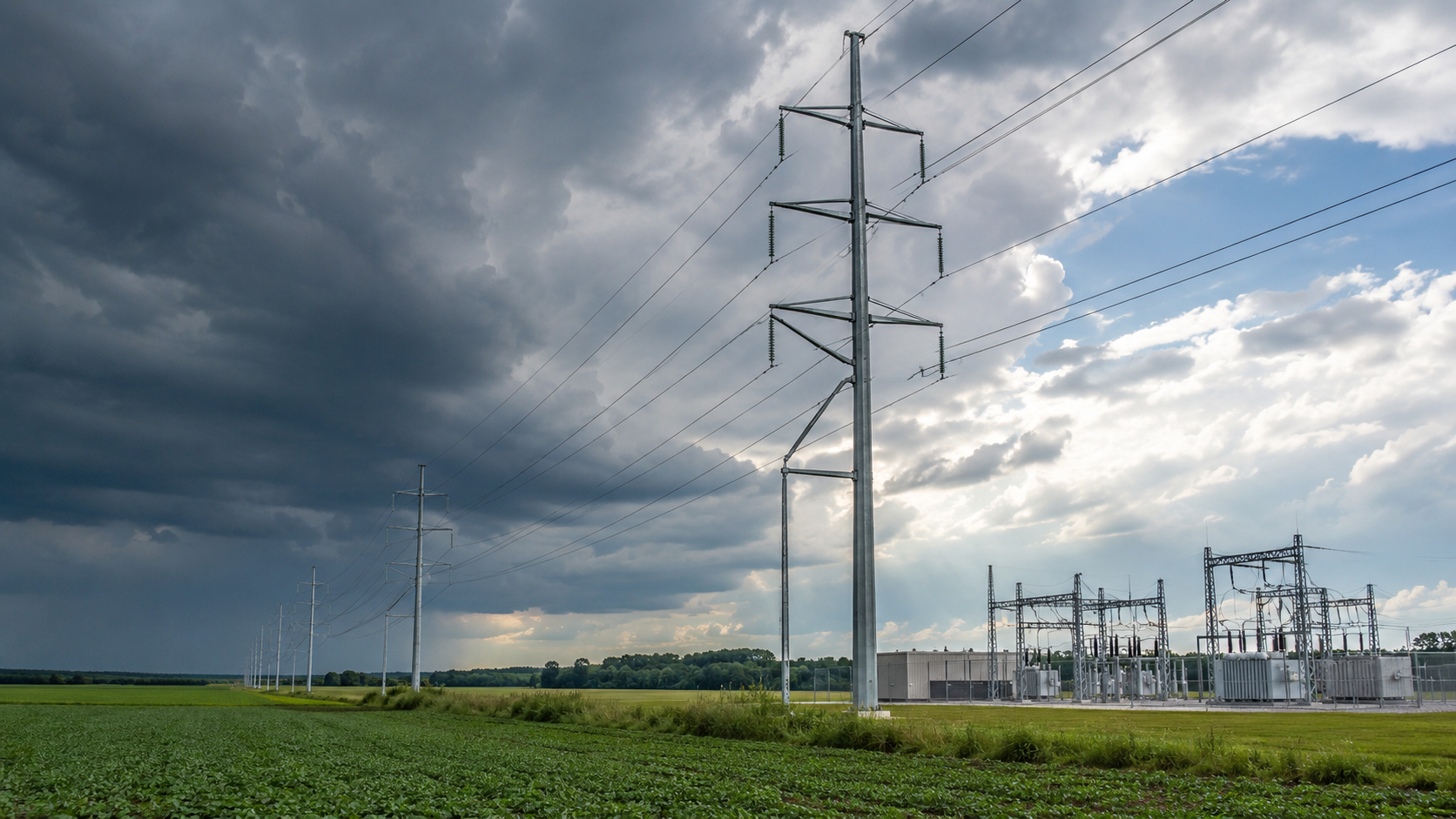
The project, called Project STEEL, stands for Strengthening Transmission Efficiency and Enhancing Lifespan. DEQ said the work will modernize aging electric lines originally constructed in 1968 by replacing wooden transmission poles with engineered steel structures designed to better withstand severe weather.
DEQ said the project also includes larger conductors, stronger system design, added capacity for future energy demands and infrastructure expected to last more than 75 years.
The State Energy Office awarded Four County EMC $2.9 million last year toward the project through the U.S. Department of Energy’s Resilience of the Electric Grid Formula Grants for States and Tribes. DEQ said the award is intended to reduce the financial burden on members in Four County EMC’s service territory.
Four County EMC serves more than 36,000 members in Bladen, Duplin, Sampson, Pender, Columbus, Cumberland and Onslow counties.
The state framed the project as part of a broader effort to harden electric infrastructure against severe weather and reduce long-term costs. DEQ said it has leveraged nearly $30 million in federal, state and local funds since 2025 for grid resilience investments.
For eastern North Carolina, the project connects several public policy issues: storm resilience, rural infrastructure, electric affordability and economic development. Utility reliability can affect households, farms and businesses, especially in regions that face hurricane and severe weather risk.
DEQ said the project is expected to mean fewer and shorter power outages, stronger performance during severe weather, lower long-term maintenance expenses and greater infrastructure durability for Four County EMC members.
Editor’s note: This article was drafted with the assistance of artificial intelligence and was reviewed and fact-checked by a member of the NC Political News editorial team before publication.