State gang prevention task force meets as North Carolina weighs prevention, intervention strategies
RALEIGH, N.C. — North Carolina’s Gang Prevention and Intervention Task Force met Tuesday in Raleigh for a public meeting focused on prevention, intervention, enforcement coordination and community-based approaches to reducing gang activity.
The meeting was held at the Governor’s Crime Commission offices and streamed online, according to the North Carolina Department of Public Safety. The task force is co-chaired by Leslie Cooley Dismukes, secretary of the Department of Adult Correction, and Siarra Scott, director of the NCDPS Office of Violence Prevention.
The agenda included work group updates on prevention, intervention and enforcement, along with presentations on workforce development, juvenile justice prevention councils and the Wilson Police Athletic/Activities League.
The meeting notice said the prevention update was scheduled to be led by Kevin Blackburn, executive director of Kids Making It. The intervention update was scheduled to be led by Michelle Guarino, director of program development for Gang Free NC. Steven Holmes, assistant director of the State Bureau of Investigation, was scheduled to provide an enforcement, intelligence and interagency coordination update.
The agenda also included a presentation from Andrea DeSantis, assistant secretary for Workforce Solutions at the Department of Commerce, and Cindy Porterfield, director of Juvenile Community Programs within the Division of Juvenile Justice and Delinquency Prevention.
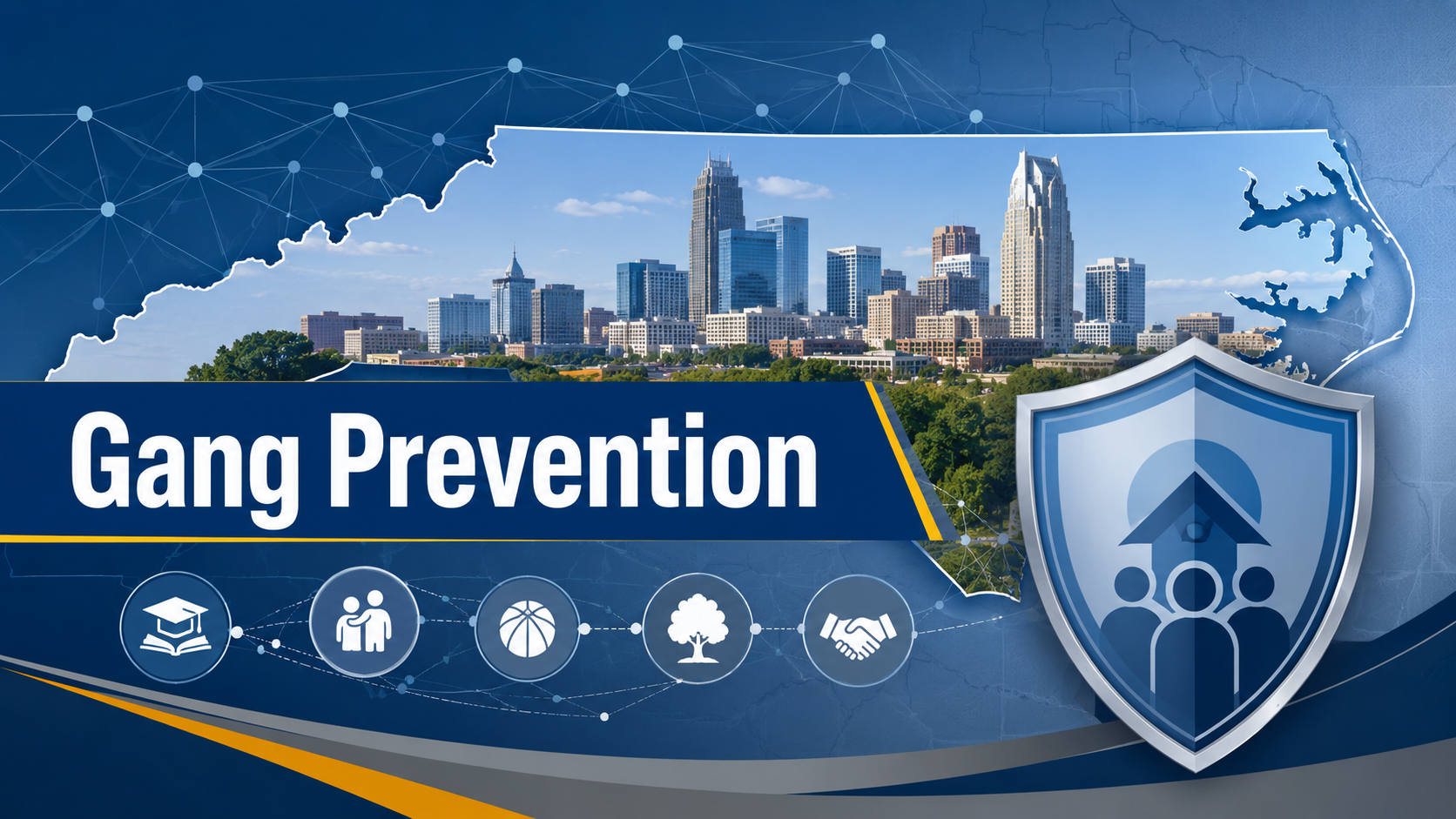
The task force’s work has potential policy implications for public safety, juvenile justice, education, workforce development and state funding decisions. Gang prevention strategies often involve more than law enforcement, including school-based intervention, youth programming, job training, mental health services and reentry support.
Tuesday’s agenda reflected that broader approach. The inclusion of workforce development and juvenile justice presentations suggests the task force is considering both prevention and intervention strategies, not only enforcement.
The meeting also included discussion of a vision statement and values for the task force. Those discussions could shape how the group frames future recommendations to state leaders.
The next meeting is scheduled for July 28, according to DPS.
The most newsworthy outcome will depend on whether the task force advances specific recommendations, identifies funding needs or proposes legislative or administrative changes. Without those actions, Tuesday’s meeting serves mainly as a policy-development step in the state’s broader public safety strategy.
Editor’s note: This article was drafted with the assistance of artificial intelligence and was reviewed and fact-checked by a member of the NC Political News editorial team before publication.