Stein administration releases four-year economic development plan for North Carolina
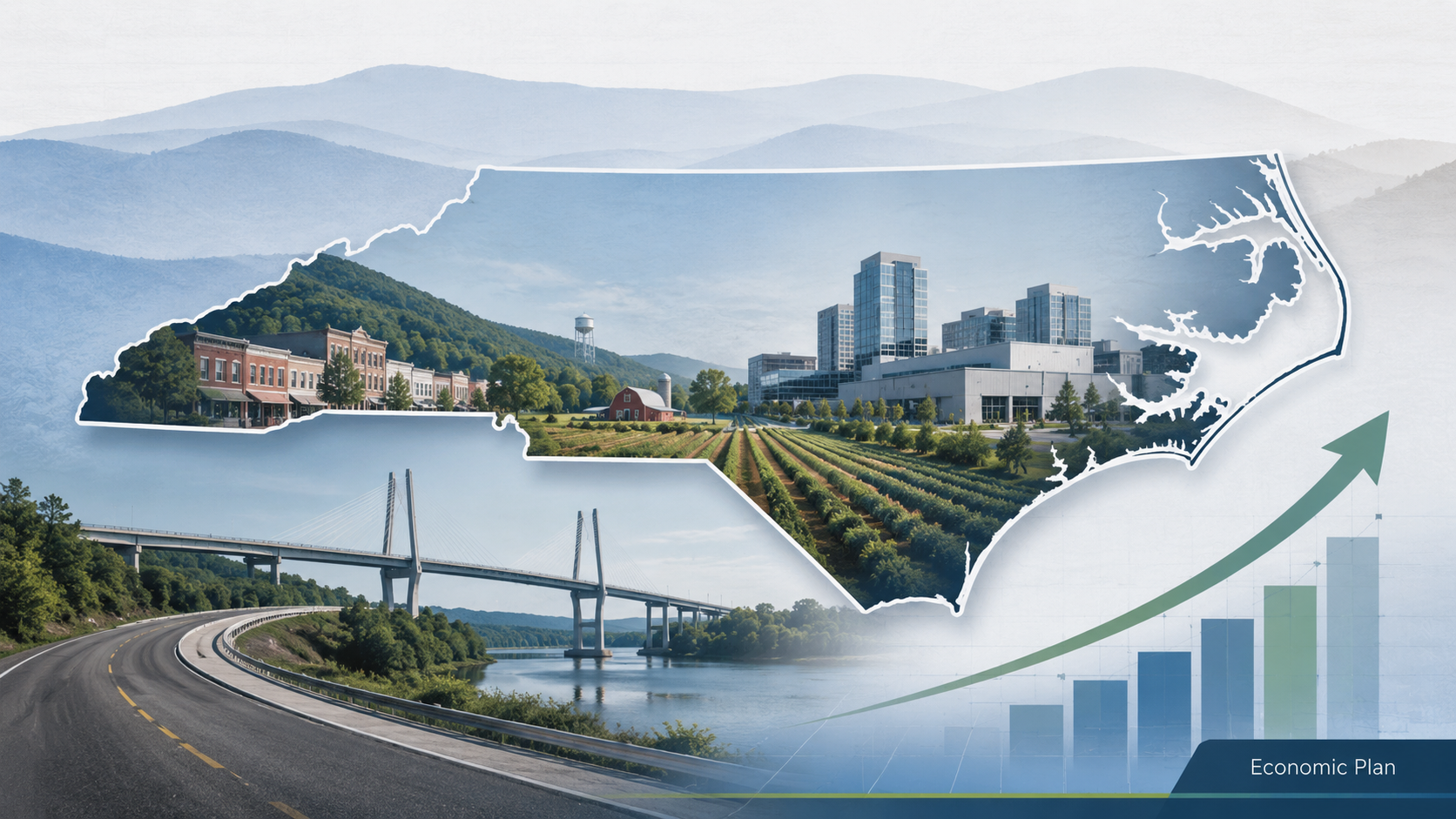
RALEIGH, N.C. — Gov. Josh Stein and the North Carolina Department of Commerce have released a new four-year economic development plan that ties the state’s growth strategy to infrastructure, workforce development, housing, child care, health care and rural competitiveness.
The plan, called “First in Opportunity,” is North Carolina’s comprehensive strategic economic development plan and is intended to guide the state’s next phase of economic growth, according to the Governor’s Office. Stein and Commerce announced the plan May 20.
“The ‘First in Opportunity’ Plan is about ensuring North Carolina remains competitive while creating opportunity in every corner of the state,” Stein said in the announcement. “As our state continues to grow, we must invest in our public schools and workforce development efforts, attract and sustain thriving businesses, and drive economic success for all our people.”
Commerce Secretary Lee Lilley said the plan calls for a durable workforce, stronger infrastructure, innovation and entrepreneurship, and investments in housing, child care and health care.
The plan builds on the state’s 2021 “First in Talent” strategy but broadens the state’s approach to economic development, according to the Governor’s Office. The administration said the new plan reflects population growth, workforce pressures, infrastructure demands, technological change and the continuing effects of severe weather events such as Hurricane Helene.
The plan is organized around four goals: modernizing and fortifying infrastructure, accelerating economic competitiveness, enhancing community well-being and building a resilient workforce. The community well-being goal includes housing, child care and health care as factors affecting economic participation.
The Governor’s Office said the plan was developed through regional listening sessions, stakeholder engagement, economic analysis and work with business, education, workforce, local government and nonprofit leaders. The Department of Commerce partnered with the UNC School of Government’s ncIMPACT Initiative during the public engagement phase. That process included nine public listening sessions across North Carolina’s Prosperity Zones and a statewide webinar involving about 650 participants from 91 counties, according to the announcement.
The administration highlighted Wilson as an example of rural economic development tied to downtown revitalization, infrastructure, workforce training and life sciences growth. Officials cited projects including the Vollis Simpson Whirligig Park, Warbirds Stadium and surrounding development, the Pine Nash Redevelopment corridor and North State Consulting, a Building Reuse grant recipient.
The plan does not itself appropriate money. Its significance will depend partly on which recommendations become budget requests, agency actions or legislation.
For state politics, the plan gives Stein’s administration a framework for arguing that economic development requires more than business recruitment. It also places issues such as affordable housing, child care, health care access and infrastructure directly inside the state’s economic competitiveness agenda.
Editor’s note: This article was drafted with the assistance of artificial intelligence and was reviewed and fact-checked by a member of the NC Political News editorial team before publication.