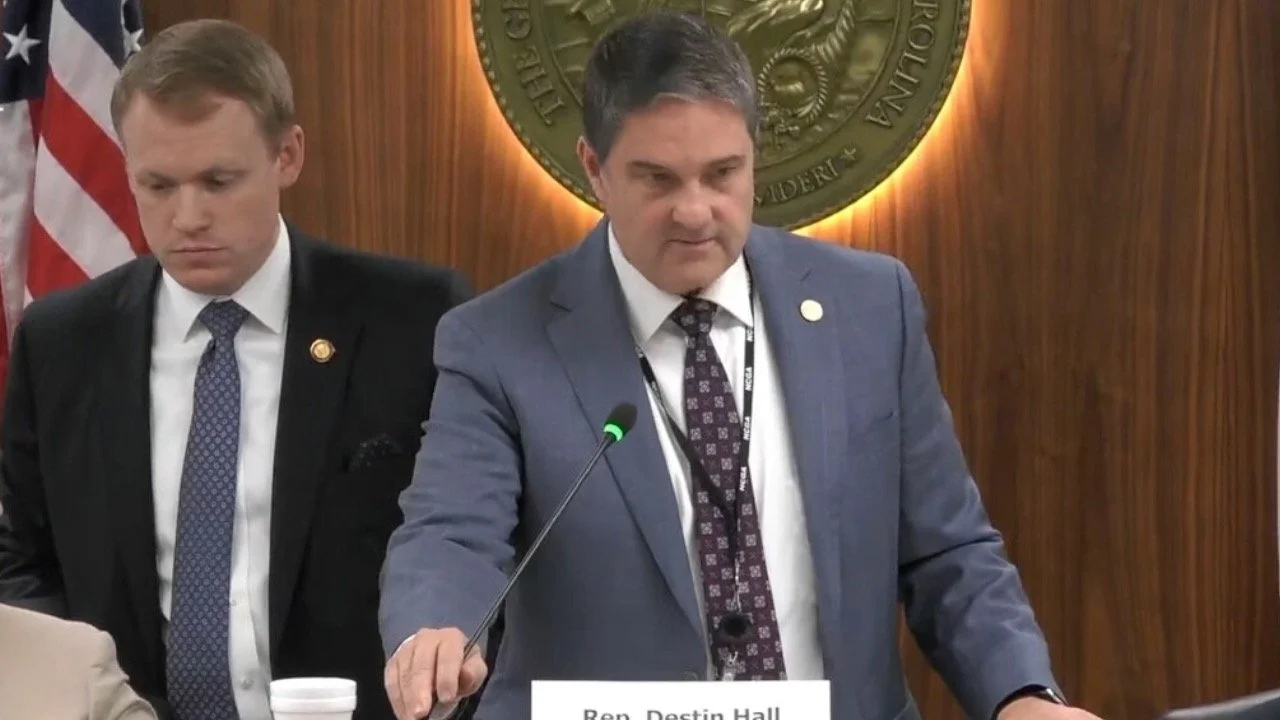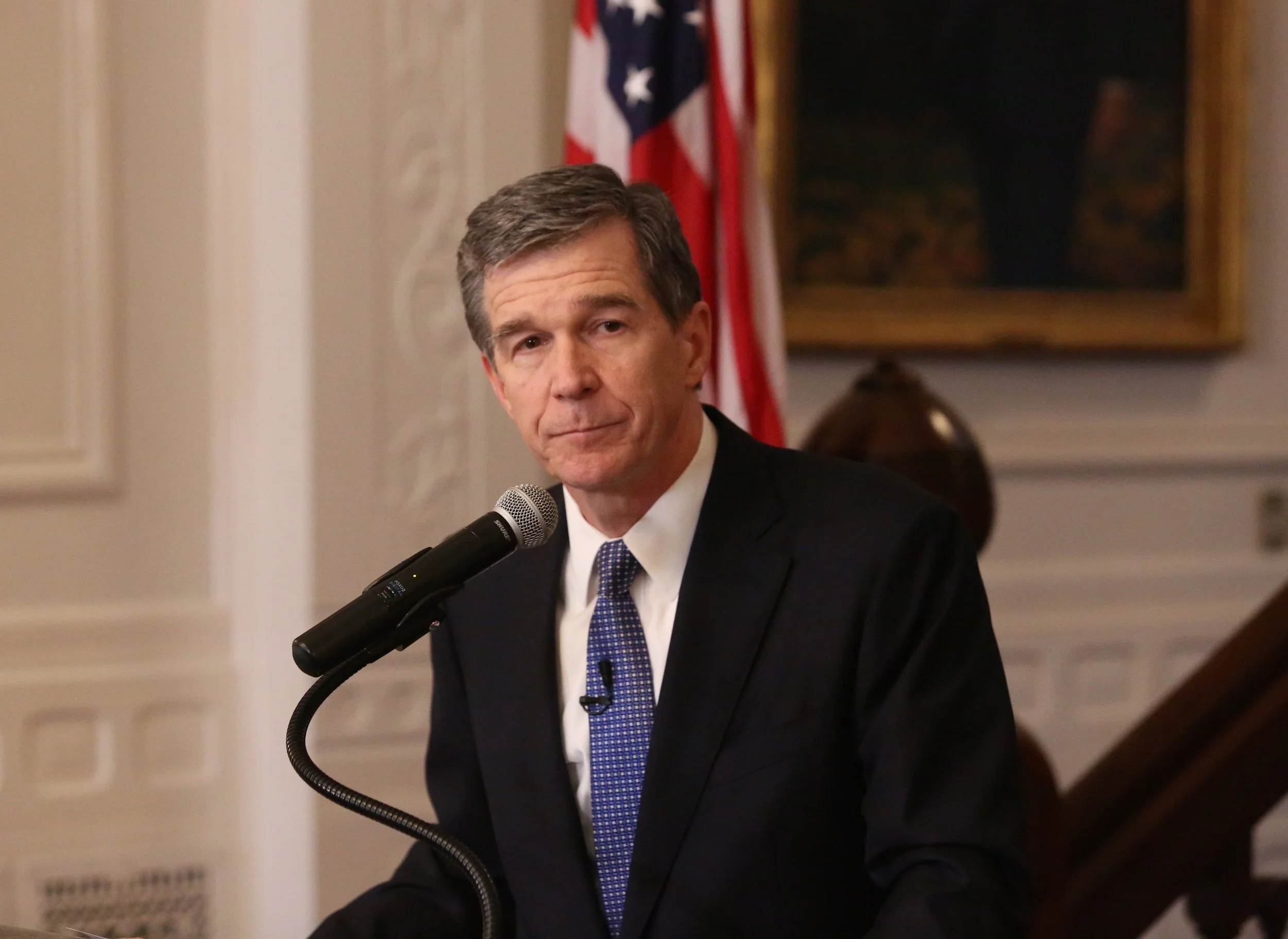
Gov. Josh Stein vetoed House Bill 958, an election bill affecting early voting, ballot challenges and election oversight.
All tagged voting
Gov. Josh Stein vetoed House Bill 958, an election bill affecting early voting, ballot challenges and election oversight.
A North Carolina election administration bill became law Tuesday, extending several ballot cure deadlines and changing procedures for absentee ballots, provisional ballots, early voting equipment and court review of State Board of Elections decisions.
House Bill 834 would change ballot cure deadlines, absentee ballot procedures and judicial review rules for State Board of Elections decisions.
A broad election-law bill affecting voter registration, precinct officials, party-primary eligibility and campaign finance reporting is on Gov. Josh Stein’s desk.
House Bill 958, a broad statewide election law bill, is scheduled for consideration in the North Carolina House on June 30.
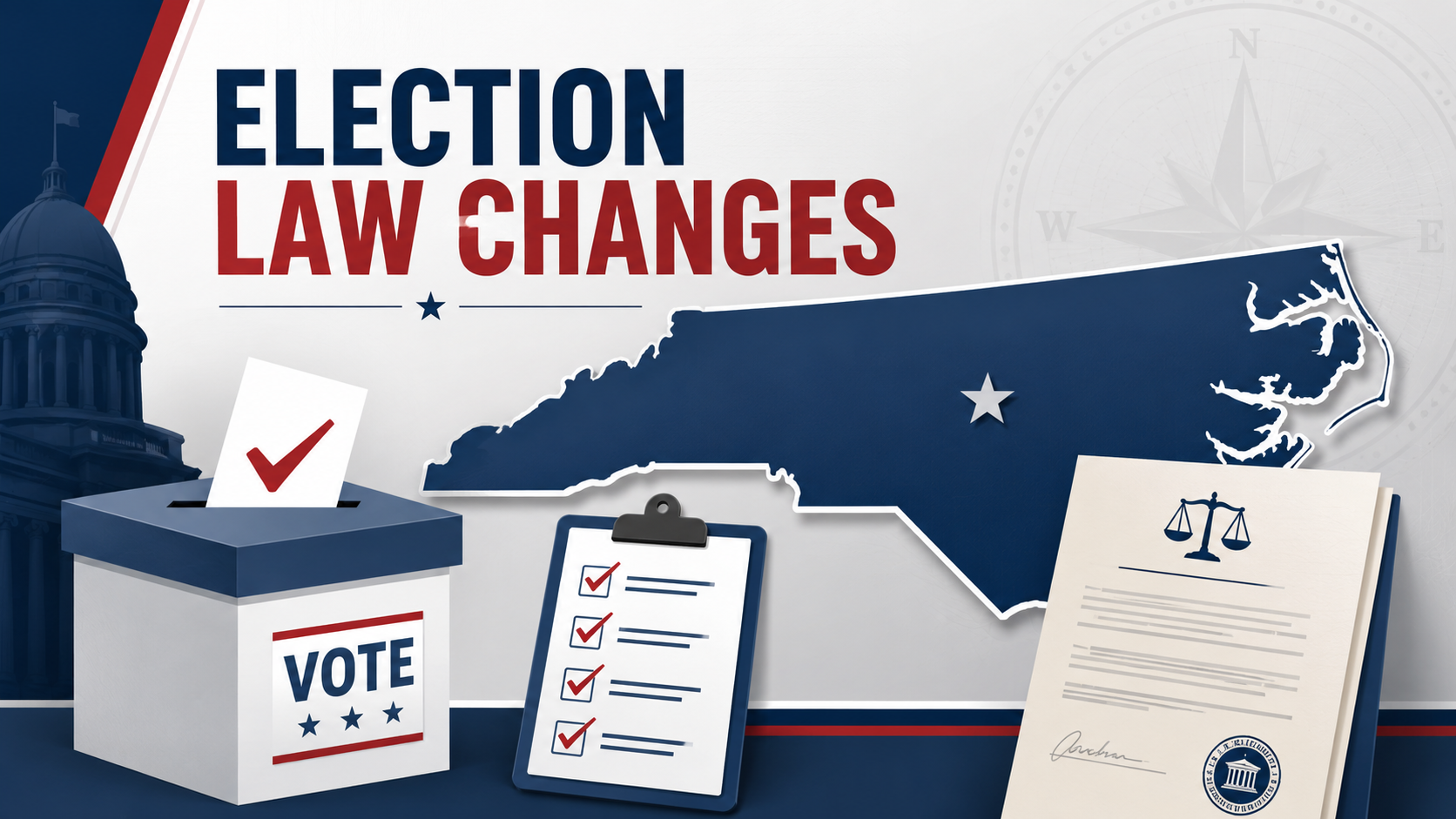
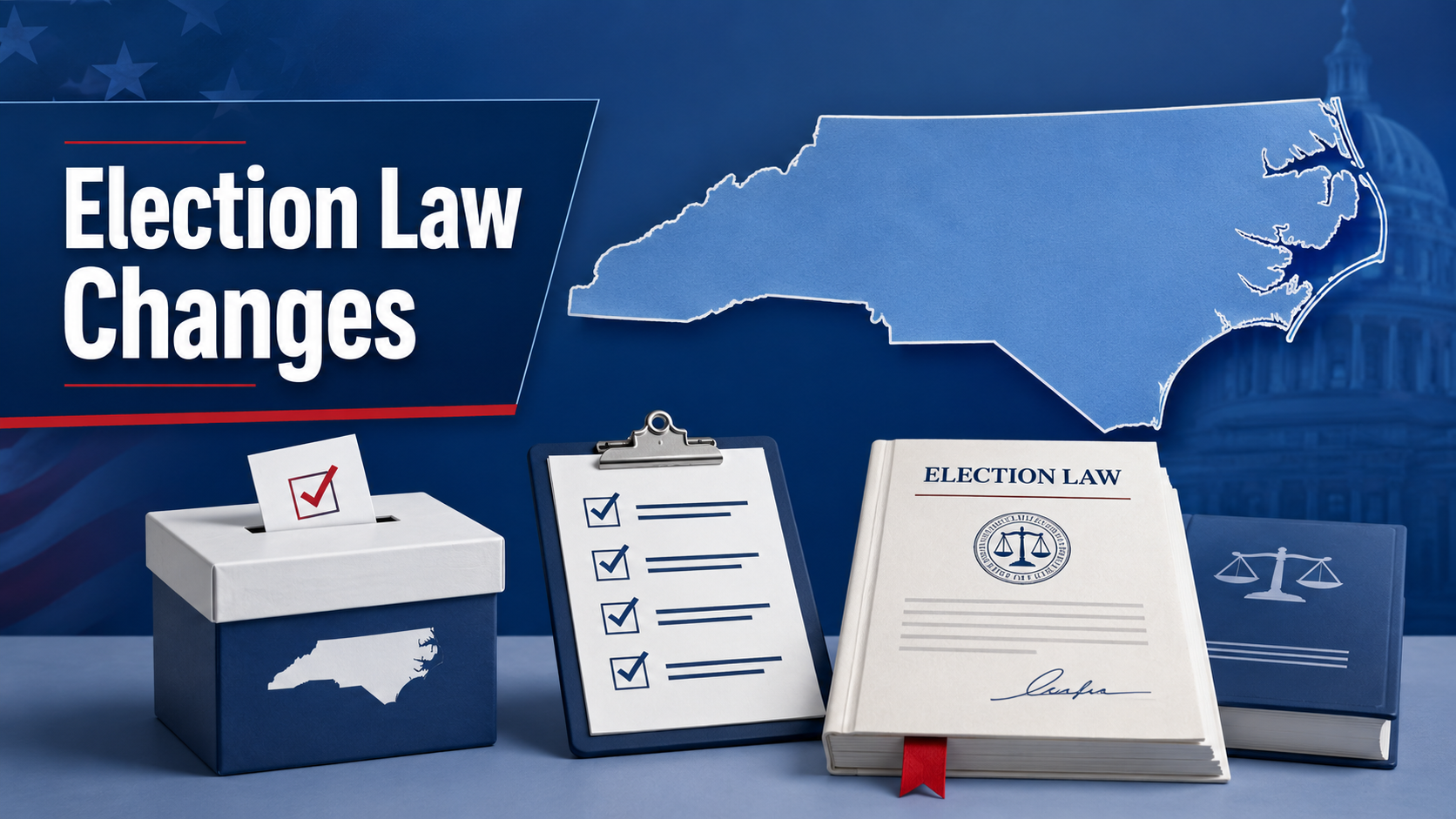
House Bill 958, titled “Election Law Changes,” remains active in the House and would amend several sections of North Carolina election law.
The North Carolina State Board of Elections has identified approximately 34,000 deceased individuals on the state’s voter rolls following a comprehensive data comparison with the federal Systematic Alien Verification for Entitlements (SAVE) database.
Some partisans I know insist political allegiances are so rigid that elections have become little more than turnout contests. Whichever party gets its base out wins. Persuadable swing voters used to exist in significant numbers, they concede, but are now about as hard to find as Bigfoot.
State legislative leaders want the N.C. Court of Appeals to block a ruling that could add 56,000 felons to the state's voting rolls. A trial court issued the ruling Monday. It would open up voting to felons on parole, probation, or other post-release supervision.
Unaffiliated voters have overtaken Democrats as the largest voting group in North Carolina, according to the latest data from the N.C. State Board of Elections.
Based on a 4-3 vote from the state Supreme Court, a congressional election map drawn by legislators gets tossed out. The court substitutes its own map for 2022 elections. The new map tips the scale toward the Democratic Party.
The Democrat-dominated Buncombe County Board of Commissioners wants to join the legal fight against North Carolina's new election maps.
Legislative Democrats and Democrat Gov. Roy Cooper are making it clear they will oppose the legislation to move North Carolina’s primary election date from May 17 to June 7.
Every two years, exit pollsters attempt to survey voters who’ve just cast ballots. They post interviewers at hundreds of voting sites across the country. They call and email voters who cast ballots by mail. The resulting exit polls are often roundly criticized and improperly reported (such as when journalists circulate and comment on raw exit-poll totals on Election Night that have not been weighted based on actual election returns.
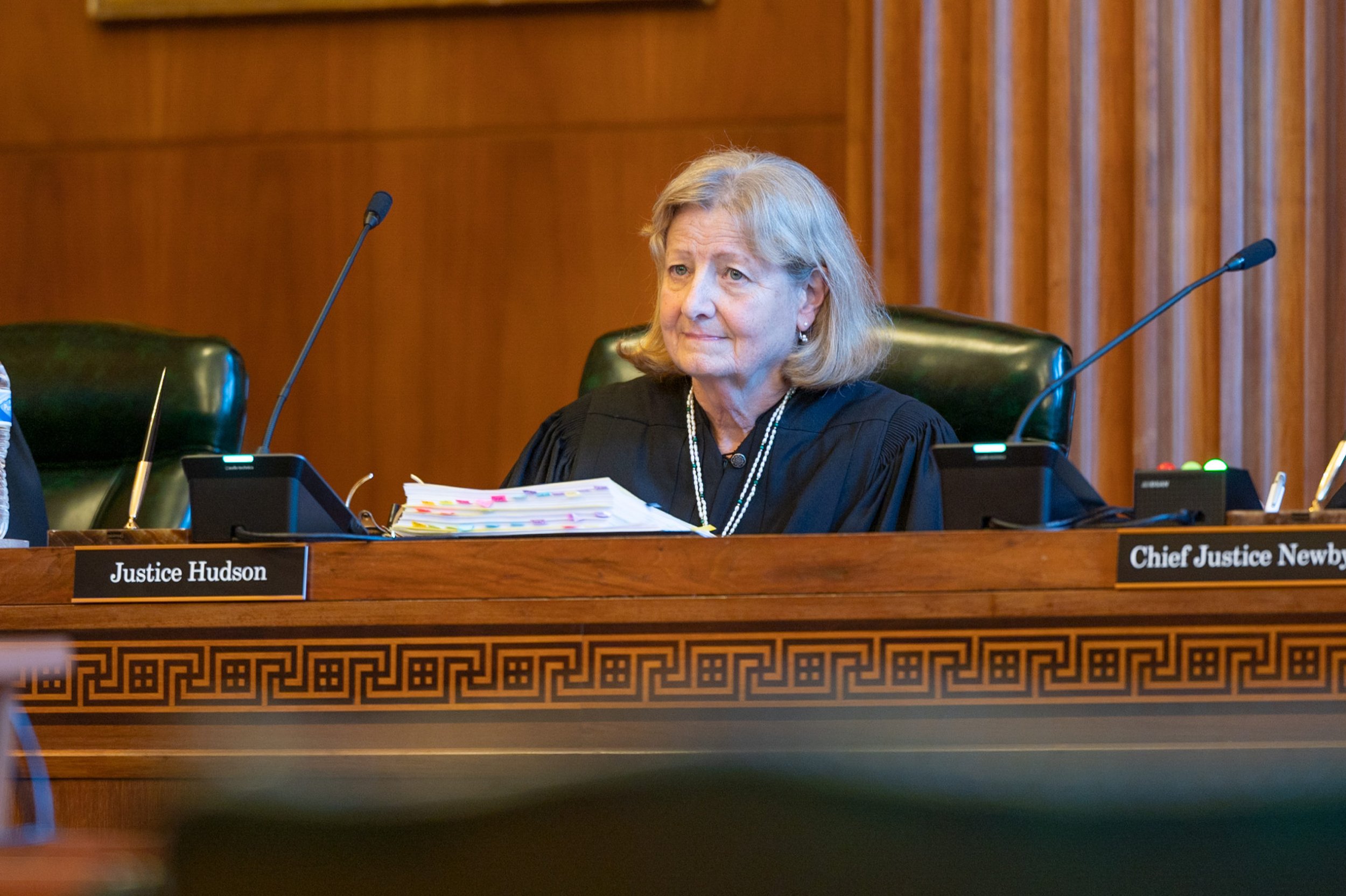
Christmas came early for justice in North Carolina. Two days before Christmas, the North Carolina Supreme Court issued a one-page order on the issue of recusal. The NACCP had asked the Court to involuntarily recuse Justices Phil Berger Jr. and Tamara Barringer from NAACP v. Moore because Justice Berger’s father was a nominal defendant and Justice Barringer served in the legislature that passed the challenged legislation.
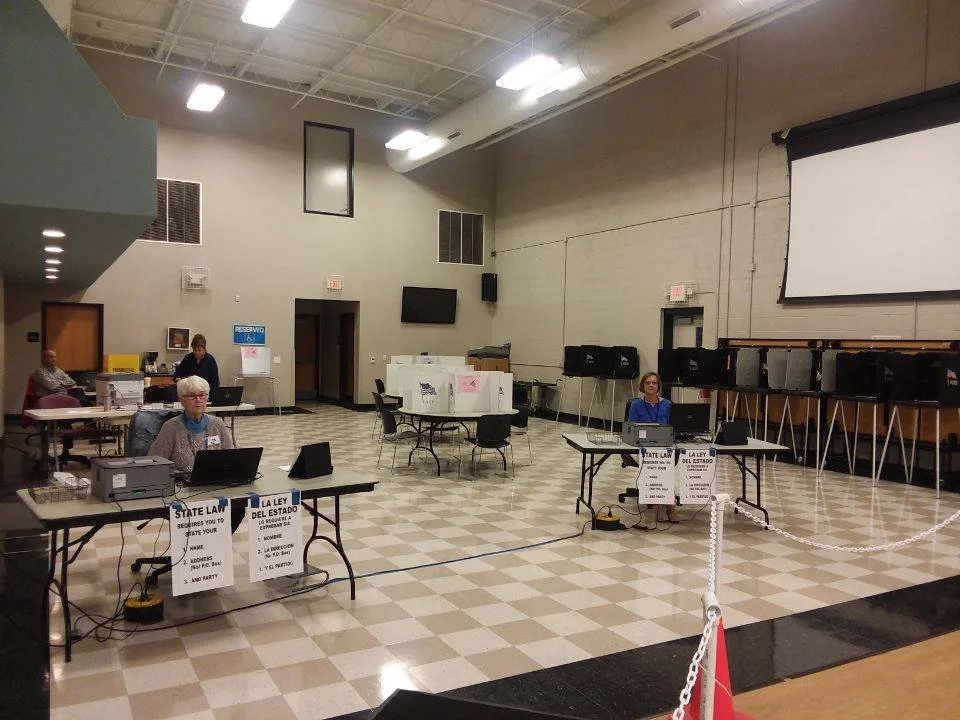
The N.C. State Board of Elections recently removed analog modems from voting equipment in five counties, a move that has drawn criticism from the N.C. House Freedom Caucus.
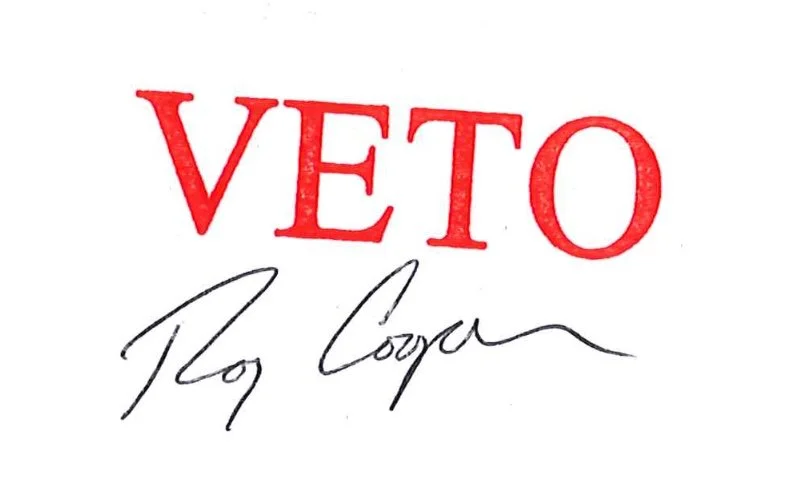
N.C. Gov. Roy Cooper signed three bills into law Thursday, Dec. 9, but also vetoed three bills. Getting the veto stamp were House Bill 220, Choice of Energy, and Senate Bill 725, Prohibit Private Money in Elections Administration, which would have banned private groups from funding local elections offices in North Carolina. The issue came up when a group founded by Mark Zuckerberg provided money for elections in 2020 in communities that leaned Democrat.
Gov. Roy Cooper has vetoed a bill that would have set Election Day as the deadline for mail-in absentee ballots in future N.C. elections. Cooper's rejection of Senate Bill 326 marks his 13th veto this year and his record-extending 66th veto since taking office in 2017.