Two bills sitting on Gov. Roy Cooper’s desk are designed to remediate learning losses for K-12 students left behind by classroom closures caused by the COVID-19 pandemic.
All in Education
Two bills sitting on Gov. Roy Cooper’s desk are designed to remediate learning losses for K-12 students left behind by classroom closures caused by the COVID-19 pandemic.
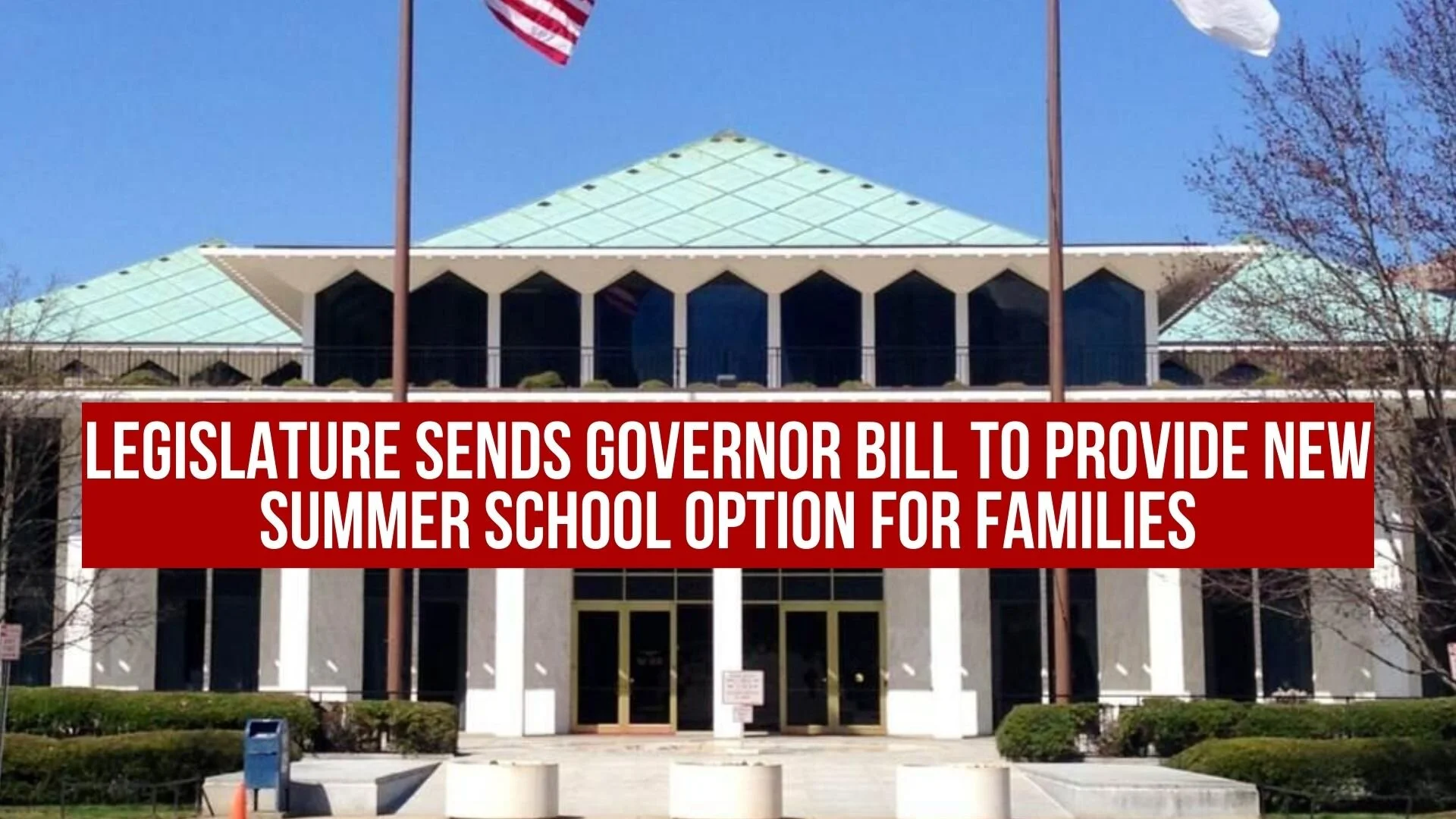
Raleigh, NC – Today, the General Assembly gave unanimous approval to legislation to create a new summer school option for students who have fallen behind due to remote learning.
Republican legislators in the N.C. Senate are pushing forward a bill meant to improve literacy among North Carolina public school students by the third grade.
The N.C. State Board of Education has voted unanimously to switch social-distancing requirements under a “Plan A” return to public school classrooms to 3 feet rather than the previous six feet.
For years, Tri-County Community College has wanted to offer in-state tuition to Georgians who live in one of those counties. That, administrators say, would help fill empty seats in their classrooms while also funneling more people to North Carolina employers and universities.
Interest in homeschooling has surged in North Carolina during the COVID-19 pandemic. Now, Republican lawmakers in the state Senate want to give these families tax relief to help meet expenses.
The General Assembly is set to add new members to the University of North Carolina System Board of Governors.
Lt. Gov. Mark Robinson announced on March 16 the creation of a task force dedicated to giving “students, parents, and school faculty a voice to speak out about cases of bias, inappropriate materials, or indoctrination they see or experience in public schools.”
Warren County students will soon be able to access high-speed internet via satellite technology, as the county joins Hyde and Swain counties in a pilot program aimed at improving internet access to support remote learning.
Even as a bill to reopen schools across North Carolina garnered unanimous bipartisan support and was fast-tracked through the legislature, North Carolina’s teacher’s union released a statement blasting Democratic Gov. Roy Cooper and lawmakers from both political parties for the compromise.
N.C. Senate leader Phil Berger, R-Rockingham, says lawmakers are negotiating with Gov. Roy Cooper, a Democrat, on a plan to reopen schools.
Parents in 14 North Carolina public school districts would have the option of sending their children to full-time, in-person instruction under a local bill approved by the N.C. House K-12 Education Committee on Tuesday, March 9.
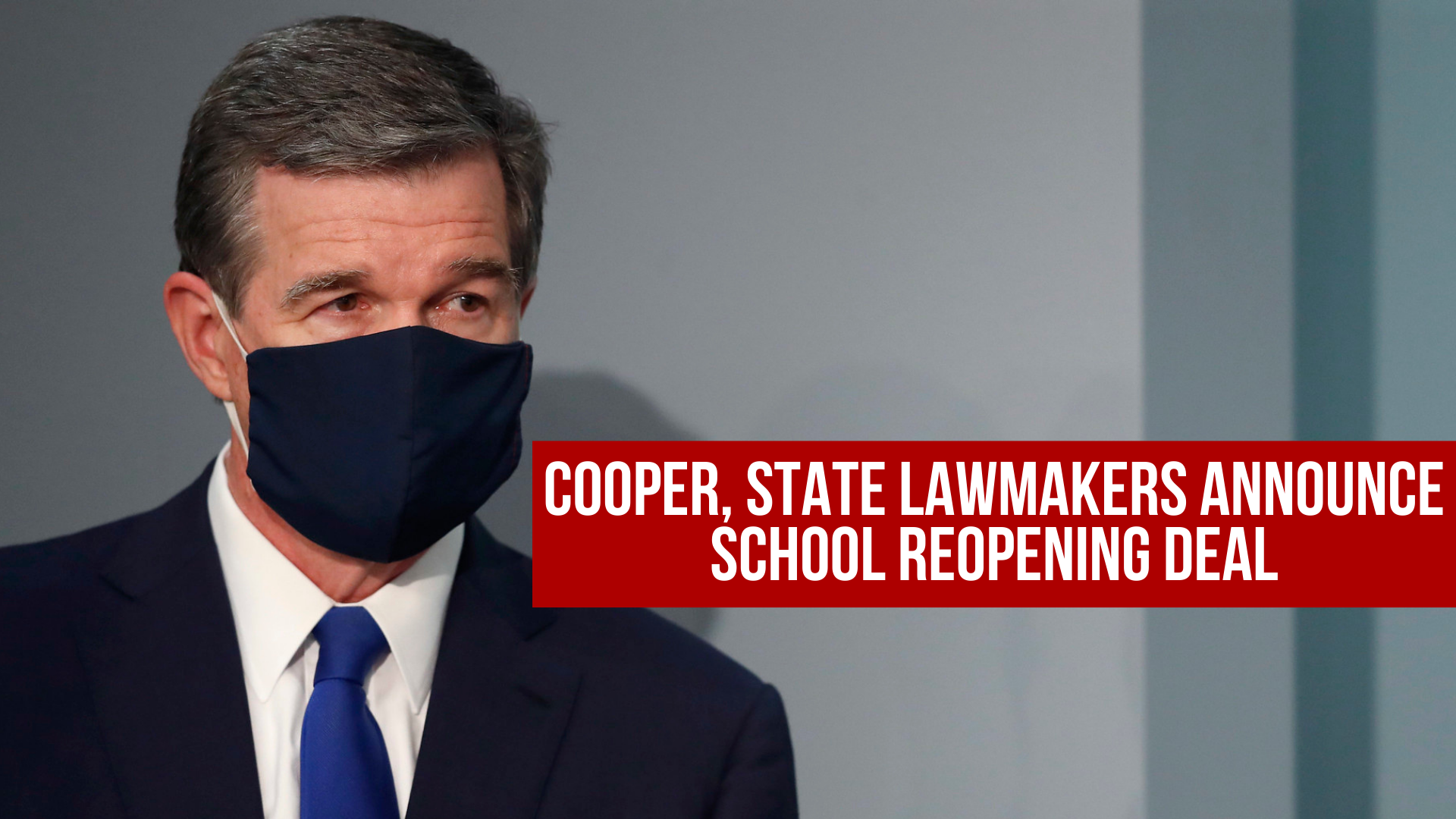
Democratic Gov. Roy Cooper and Republican lawmakers have reached an agreement on reopening public schools for in-person instruction under a compromise plan that returns most decision-making autonomy to local school boards.
The N.C. State Board of Education passed a resolution Thursday, March 4, calling on all public school districts to give parents the option of in-person learning by the end of March. The education board’s action is the latest step in a growing consensus to swiftly reopen school classrooms across the state.
Republican Senate lawmakers have introduced a bill that would change the 100-person capacity limit at outdoor high school sporting venues.
The N.C. House and Senate have come to terms on legislation to reopen schools for in-person instruction. But Gov. Roy Cooper, a Democrat, has indicated he will veto it, even though he says he wants students back in school.
As state lawmakers try to sort out when students can go back to school full time, members of the House are sponsoring a bill that would offer a voluntary summer school program for North Carolina students.
Gov. Roy Cooper’s call for more money for schools while also indicating he would veto a bill that could send students back to school has many in the state scratching their heads.
Today Governor Roy Cooper and North Carolina Department of Health and Human Services Secretary Mandy K. Cohen, M.D. outlined a timeline for Group 3 frontline workers becoming eligible to receive the Covid-19 vaccine, beginning with anyone working in child care or in PreK – 12 schools on February 24.