A bill sponsored by Democrats in the N.C. House would pump billions of additional dollars into public education over the next few years toward meeting the requirements of a new remedial agreement in the ongoing Leandro lawsuit.
All in Education
A bill sponsored by Democrats in the N.C. House would pump billions of additional dollars into public education over the next few years toward meeting the requirements of a new remedial agreement in the ongoing Leandro lawsuit.
Governor Roy Cooper signed the following bills into law: SB 69 & SB 172.
Three North Carolina teachers have won Governor’s Educator Discovery Awards to help strengthen their work in the classroom, Governor Roy Cooper and the North Carolina Business Committee for Education announced.
Could an obscure historical discovery force Wingate University and the town to change names? That question is roiling Wingate, a small Union County town 30 miles southeast of Charlotte.
In a few weeks, New York Times reporter Nikole Hannah-Jones will join the faculty of the University of North Carolina at Chapel Hill’s Hussman School of Journalism and Media, as the Knight Chair in Race and Investigative Journalism. She accepted a five-year contract as a professor of the practice, with the possibility of receiving tenure at a later date.
The Governor will invest $44 million of the funds to help students access college and earn degrees starting this fall; $5 million to support mental health initiatives across state postsecondary institutions; and $2.4 million into equity-focused initiatives for K-12 and postsecondary students and families.
This summer may not be filled with pools and part-time jobs for students across the state who’ve struggled with a year of mandated remote school. In March of 2021, the State Board of Education reported that in May of 2020, after two months of remote school, test scores were at their lowest point with 75% of North Carolina third-graders falling below the proficiency thresholds in reading.
Today, Governor Roy Cooper shared his recommendations for how North Carolina can most effectively invest in its recovery through the American Rescue Plan (ARP). The $5.7 billion in federal funds offer a once-in-a-generation opportunity to invest in North Carolina and ensure a shared recovery from the global pandemic.
The House has passed a bill that would prohibit the exclusive teaching of Critical Race Theory in North Carolina public school classrooms. The 66-48 vote on May 12 followed a scorched-earth debate in which Democrats called the measure anti-American and hateful, while Republicans countered that it was focused on ensuring equity in schools.
The teaching of critical race theory as the only explanation of America’s past would be outlawed in public schools under a bill approved by the N.C. House Education Committee on Tuesday, May 11.
Three North Carolina high school teams developed winning mobile applications in the state's second annual Ready, Set, App! contest, Governor Roy Cooper announced today. The contest is sponsored by the North Carolina Business Committee for Education (NCBCE), a business-led, education non-profit within the Governor’s Office, in partnership with Lenovo.
Are nurse anesthetists overpaid by 74%? Are telemarketers underpaid by 25%? If you accept the standard statistical model used to defend huge and sweeping pay raises for public schoolteachers, then you pretty much have to accept these conclusions, too. They derive from the same set of data.
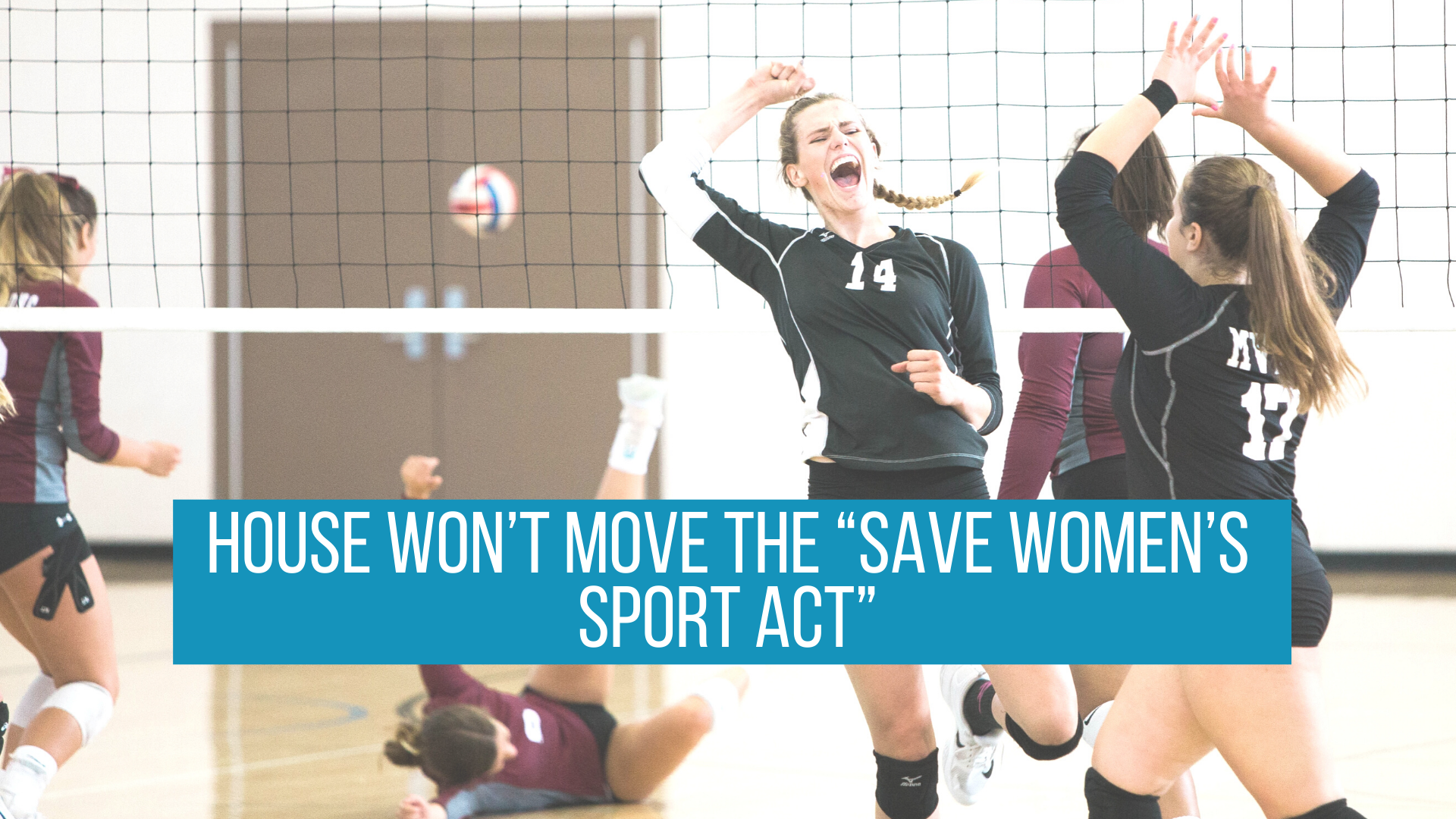
The N.C. House is not planning to move the Save Women’s Sports Act (H358) this session, according to North Carolina House Speaker Tim Moore. In an interview with the Associated Press, Moore said that votes are not needed at this point. The bill would apply to college, middle, and high school sports and would require that sports be designated co-ed or specifically for males or females.
As of April 27, 2021, the North Carolina Department of Health and Human Services in partnership with the NC Department of Public Instruction has provided more than $1 billion of groceries to more than a million children impacted by school closings during the pandemic. North Carolina was one of the first four states to receive federal approval of the Pandemic Electronic Benefit Transfer (P-EBT) program when it launched.
The North Carolina Department of Health and Human Services today announced it is expanding eligibility for food assistance benefits to help college students who are struggling to purchase food and stay in school during the pandemic.
Tonight, Governor Roy Cooper delivered his third State of the State address. The speech highlighted North Carolinians’ resilience throughout the pandemic and reinforced the need for legislators to work together to help the state rebuild from the pandemic even stronger by expanding Medicaid, raising teacher pay, investing in workforce training and solidifying the state’s infrastructure.
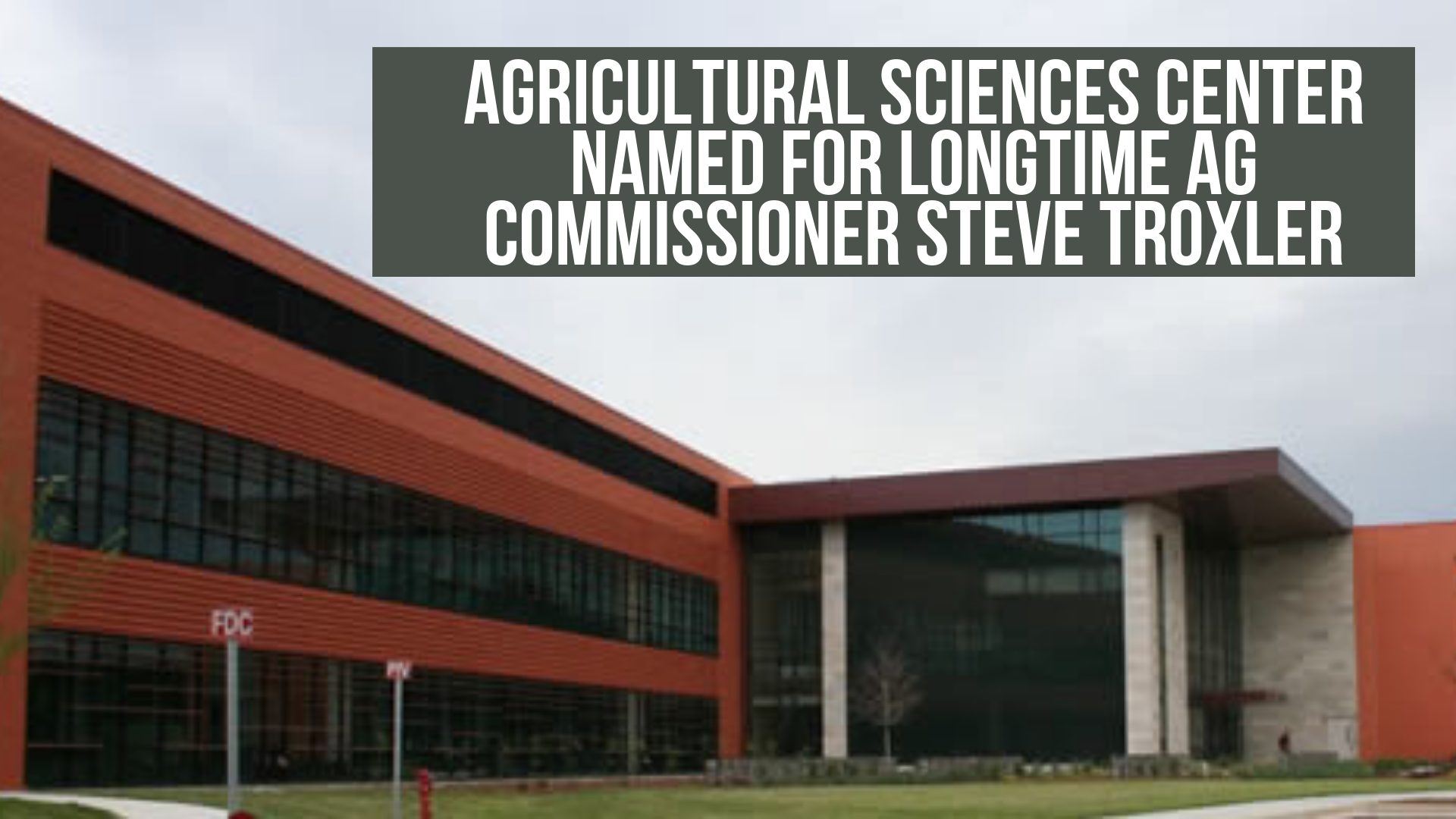
Agriculture Commissioner Steve Troxler was recently honored by the N.C. General Assembly and Governor Roy Cooper by the passage and signing of HB 137 that named the new Agricultural Sciences Center in Raleigh the Steve Troxler Agricultural Sciences Center.
The Republican philosophy for North Carolina is apparent to any mildly informed observer not predisposed to blind partisanship. After all, we’ve adhered to it for more than a decade.
Addressing the N.C. Chamber of Commerce Government Affairs Summit, State Senate leader Phil Berger, R-Rockingham, said the more than $4.5 billion surplus tax revenue North Carolina has in its coffers is both a “blessing and a curse.”
The N.C. High School Athletic Association (NCHSAA) has no written contract or agreement with the State of North Carolina or the Department of Public Instruction to oversee the management of high school sports in North Carolina and has the largest cash reserves of any such organization in America.