Around 1,000 of the 1,300 vaccines allocated for the prison system this week have arrived, and the rest of the week’s allocation is expected to arrive and be distributed within days. This week’s allocation is the Moderna vaccine.
All in Health
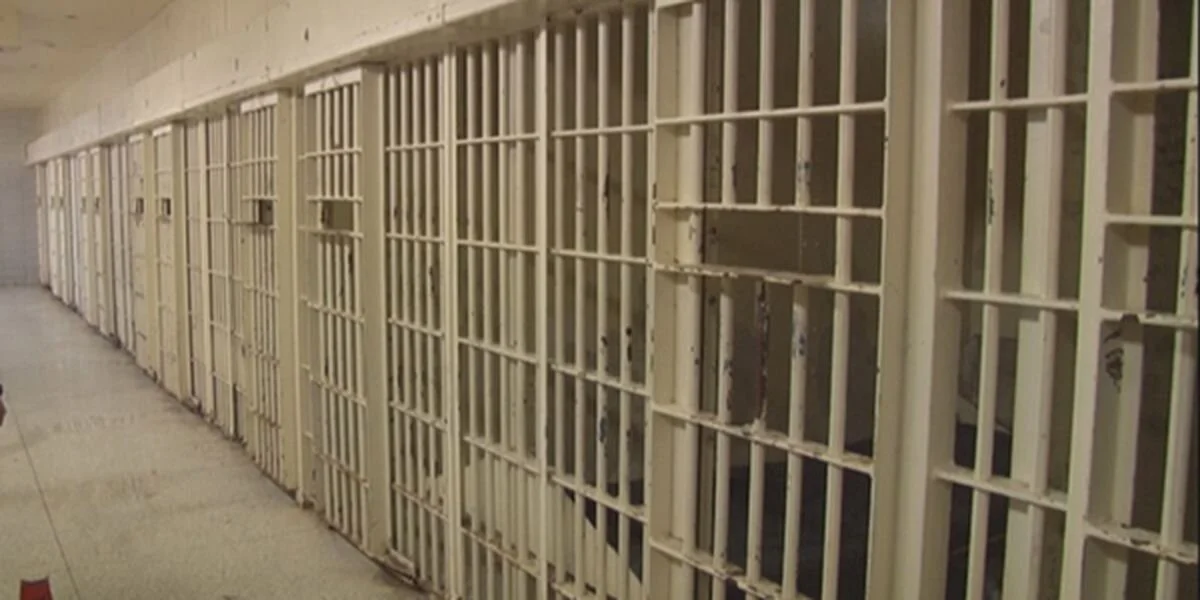
Around 1,000 of the 1,300 vaccines allocated for the prison system this week have arrived, and the rest of the week’s allocation is expected to arrive and be distributed within days. This week’s allocation is the Moderna vaccine.
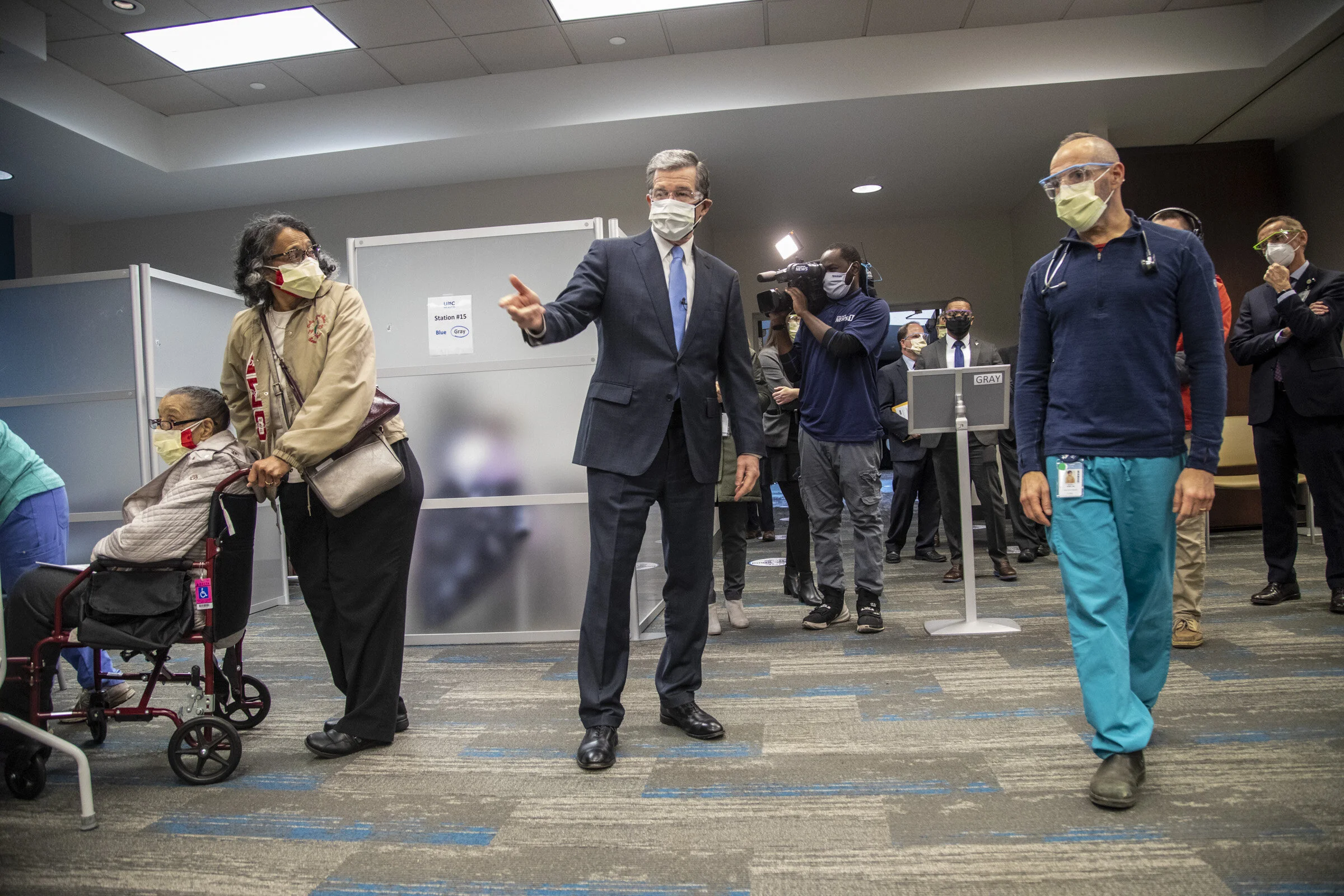
Governor Roy Cooper and North Carolina Department of Health and Human Services (NCDHHS) Secretary Dr. Mandy Cohen visited a large-scale vaccine site at UNC-Chapel Hill’s Friday Conference Center to witness health care workers and North Carolinians over age 65 receive the COVID-19 vaccine.
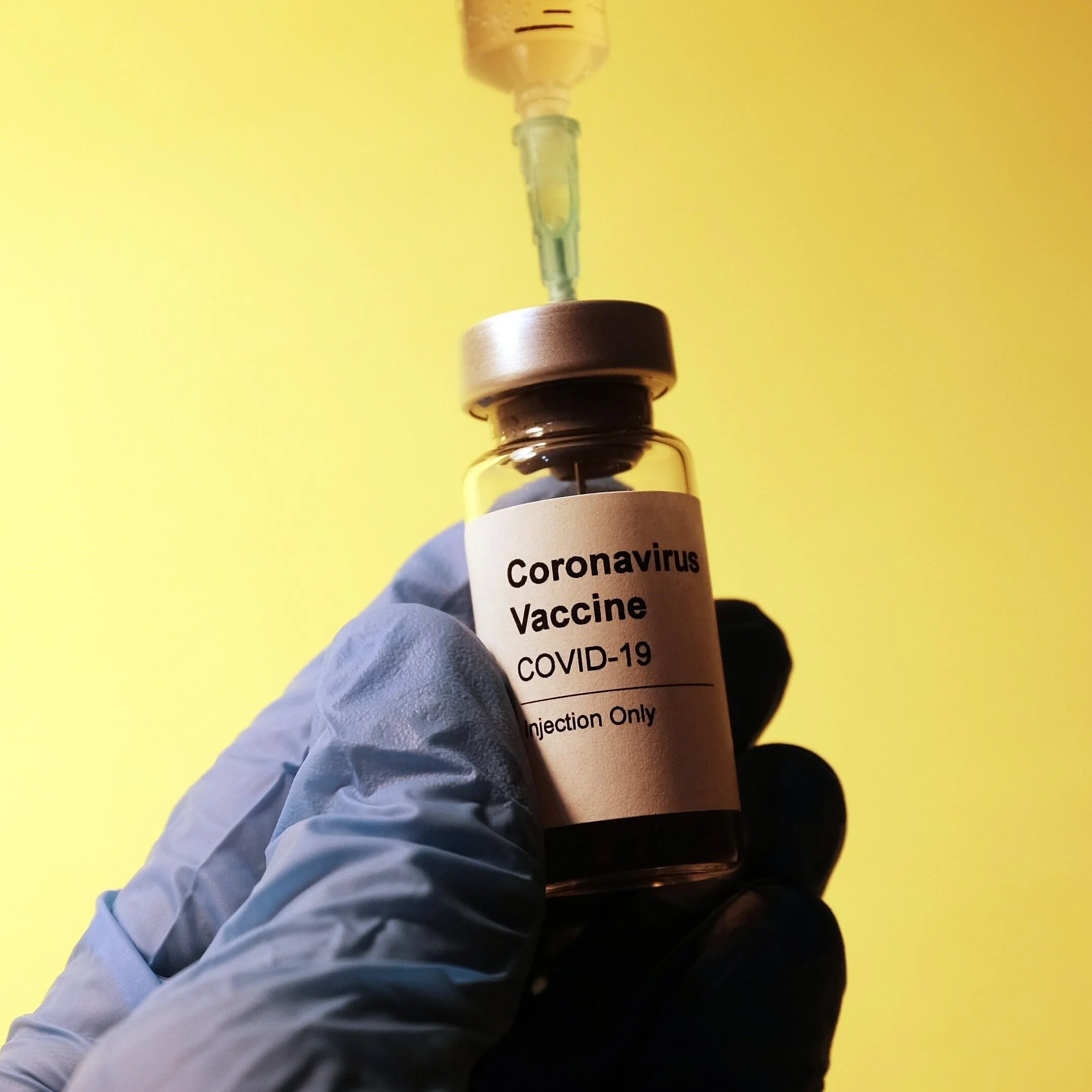
The North Carolina Department of Health and Human Services announced today that vaccine providers that are ready to expand may vaccinate all health care workers and anyone 65 years and older.
The North Carolina Department of Health and Human Services is partnering with health systems, local health departments and community health centers across the state to host large community vaccine events for people currently eligible to be vaccinated. More than 45,000 vaccines are expected to be given through these events.
Transmission of the COVID-19 virus has been “extremely limited” in public schools that have reopened in North Carolina, a team of researchers from Duke University and UNC-Chapel Hill have found.
On Jan. 1, 2021, North Carolina reported its highest one-day number of COVID-19 cases with 9,527 new cases reported, exceeding the state’s previous highest day set on Dec. 18, 2020 by more than 1,000. Cases remained high today, Jan. 2, with 9,356 new cases reported.
The North Carolina Department of Health and Human Services announced it had updated its vaccination plan to align with new federal recommendations issued last week. The changes simplify the vaccine process and continue the state’s commitment to first protect health care workers caring for patients with COVID-19, people who are at the highest risk of being hospitalized or dying, and those at high risk of exposure to COVID-19.
The North Carolina Department of Health and Human Services recently received approval to use federal matching funds to expand services for the evidence-based early childhood program, Reach Out and Read. Research shows that children who Reach Out and Read have improved literacy and language comprehension, and clinics have improved patient-clinician relationships and well-child visit attendance. This partnership with Reach Out and Read is one of the first in the country among Medicaid programs.
Lawmakers are fighting to help small businesses afford health insurance, but they’re running out of time. As the pandemic and the shutdowns wreck the economy, thousands of North Carolinians continue to lose their insurance. North Carolina has nearly 1.2 million uninsured residents.
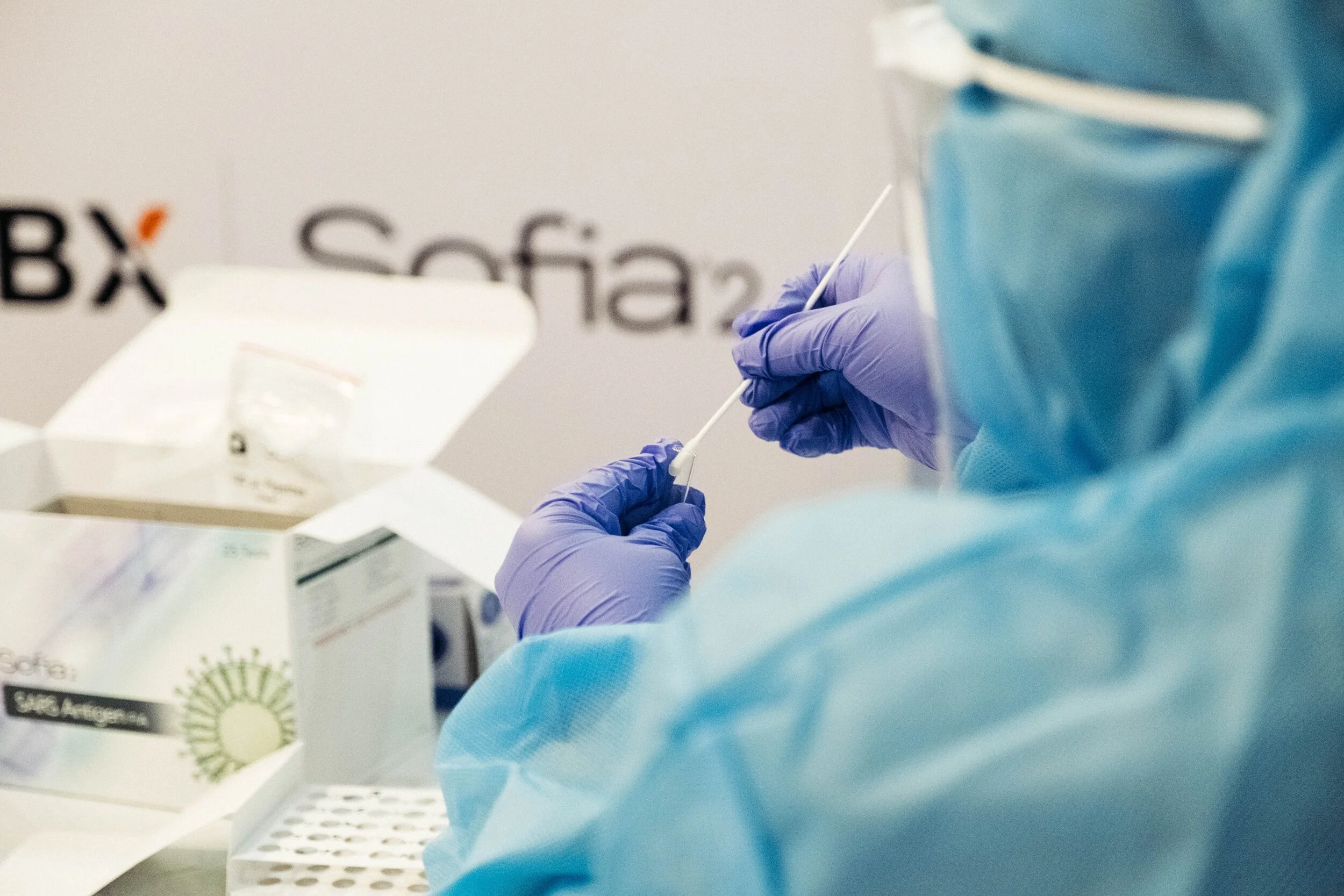
The North Carolina Department of Health and Human Services has selected 17 school districts and 11 charter schools to participate in a pilot program to deploy COVID-19 rapid testing in K-12 public schools where any in-person instruction is happening.
Today, Governor Roy Cooper and North Carolina Department of Health and Human Services (NCDHHS) Secretary Dr. Mandy Cohen witnessed some of the first COVID-19 vaccinations in the country at UNC Medical Center in Chapel Hill. UNC Health has begun administering the first doses of the Pfizer vaccine to health care workers who interact with COVID-19 patients. This includes doctors, nurses, custodial staff and more employees who have risked their health to care for patients infected with this virus.
The U.S. Food and Drug Administration issued the first emergency use authorization for a vaccine for the prevention of coronavirus disease 2019 (COVID-19) caused by severe acute respiratory syndrome coronavirus 2 (SARS-CoV-2) in individuals 16 years of age and older.
“Many believed it would take at least a year to develop a COVID-19 vaccine, but American innovation has exceeded expectations yet again,” said Congressman Greg Murphy, the only practicing physician in Congress. “I will be getting vaccinated next year once it is widely available to the American public and after those who are on the frontlines or are most vulnerable have already received it,” said U.S. Senator Thom Tillis.
When I announced North Carolina had its first known COVID case on March 3rd, most of us didn’t expect to be living like this in December. Instead of preparing for beloved holiday traditions, we’re making virtual gathering plans and mourning the loss of more than 290,000 Americans from COVID-19.
Gov. Roy Cooper is still selling Medicaid expansion, but Republican lawmakers still aren’t buying. The first meeting of the bipartisan N.C. Council for Health Care Coverage, held on Dec. 4, fractured into a partisan divide over expanding Medicaid. Cooper spent hours pushing for Medicaid expansion, but Republican lawmakers declared themselves disappointed in his focus.
The North Carolina Department of Health and Human Services is urging people to get vaccinated against hepatitis A. The department is reporting a sharp increase in the virus associated with an ongoing outbreak that began in April 2018. Of the 423 cases related to the outbreak, 270 have been reported since January 2020.