Beginning today (March 17), people in Group 4 who have a medical condition that puts them at higher risk of severe COVID-19 illness and those who live in certain congregate settings will be eligible for vaccination.
All in Health
Beginning today (March 17), people in Group 4 who have a medical condition that puts them at higher risk of severe COVID-19 illness and those who live in certain congregate settings will be eligible for vaccination.
The North Carolina Department of Health and Human Services’ Division of Public Health today announced 14 medical facilities have been awarded the North Carolina Maternity Center Breastfeeding-Friendly Designation. The designation is based on the World Health Organization’s Ten Steps to Successful Breastfeeding which support initiation, exclusivity and continuation of breastfeeding.
The North Carolina Department of Health and Human Services is updating its visitation guidance for long-term care facilities to allow for in-person, indoor or outdoor, visitation in most circumstances. The change aligns with new guidance released this week from the Centers of Medicare and Medicaid Services and the Centers for Disease Control and Prevention and reflects rapidly improving trends in long-term care facilities.
The North Carolina Department of Health and Human Services today announced the launch of statewide open enrollment for NC Medicaid Managed Care.
Thousands of North Carolina parents with school-age children will soon begin receiving additional assistance to purchase food through the Pandemic Electronic Benefits Transfer Program, or P-EBT, which has been renewed for the 2020-21 school year.
The North Carolina Department of Health and Human Services has expanded its vaccine data dashboard to provide more demographic data on people who are partially or fully vaccinated against COVID-19.
The North Carolina Special Supplemental Nutrition Program for Women, Infants and Children (WIC) program is one of seven WIC State Agencies to receive a U.S. Department of Agriculture/Tufts Telehealth Intervention Strategies for WIC (THIS-WIC) grant. Selected through a competitive review process, the $1 million grant will use innovative telehealth solutions to deliver nutrition education and breastfeeding support to WIC participants to overcome barriers to access, particularly those encountered in rural settings.
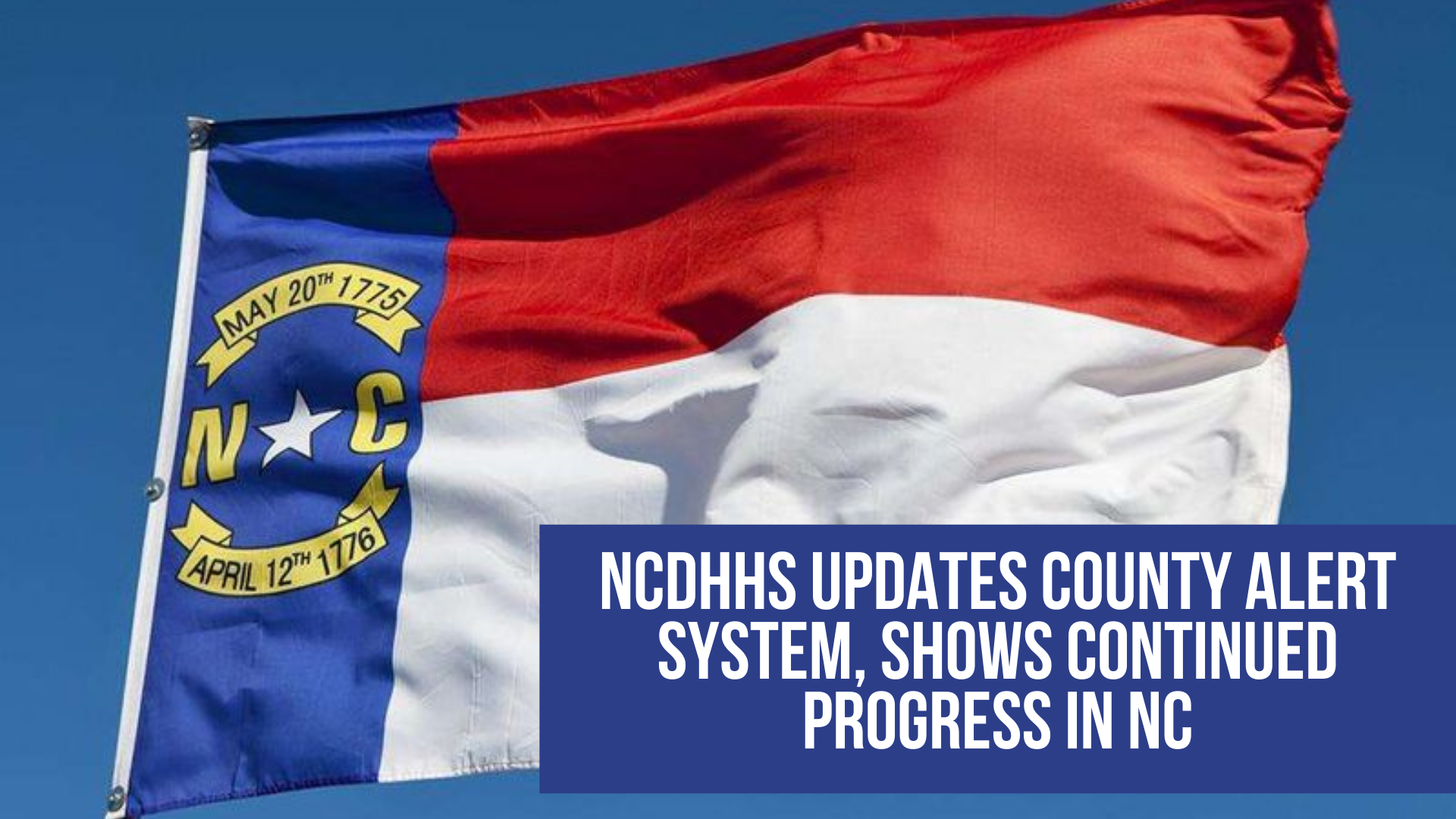
The North Carolina Department of Health and Human Services today updated the COVID-19 County Alert System, which shows six red counties — a decrease from 27 red counties on the previous Feb. 22 County Alert System and the fewest red counties in the state since the start of the County Alert System.
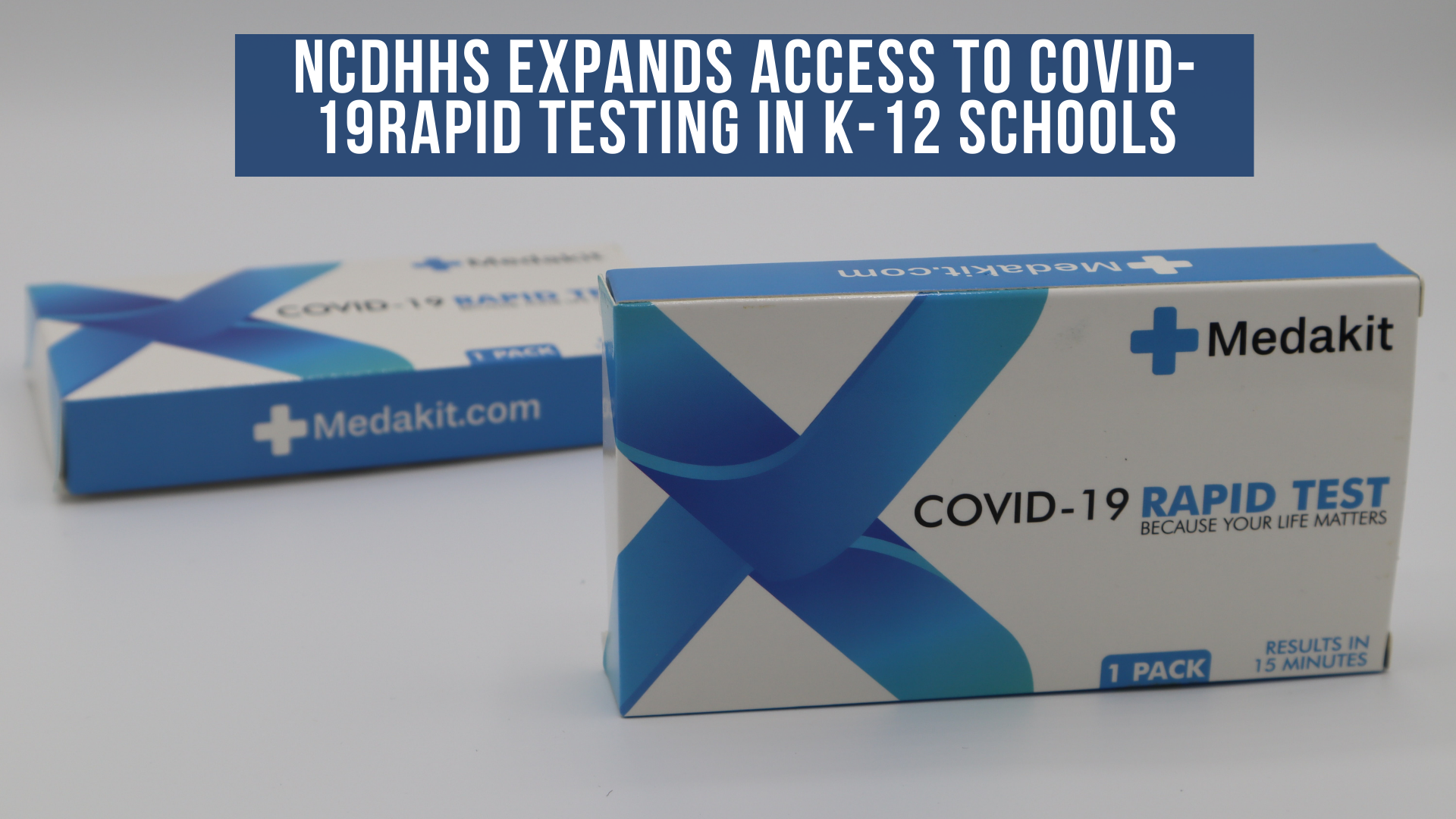
The North Carolina Department of Health and Human Services will be expanding access to COVID-19 rapid testing in K-12 public schools to protect students, teachers and staff from COVID-19. When schools implement testing combined with the state’s strong mitigation strategies, they can detect new cases to prevent outbreaks and reduce the risk of further transmission.
K-12 schools are expected to open for in-person instruction for K-12 students following the StongSchoolsNC health guidance released today by the North Carolina Department of Health and Human Services.
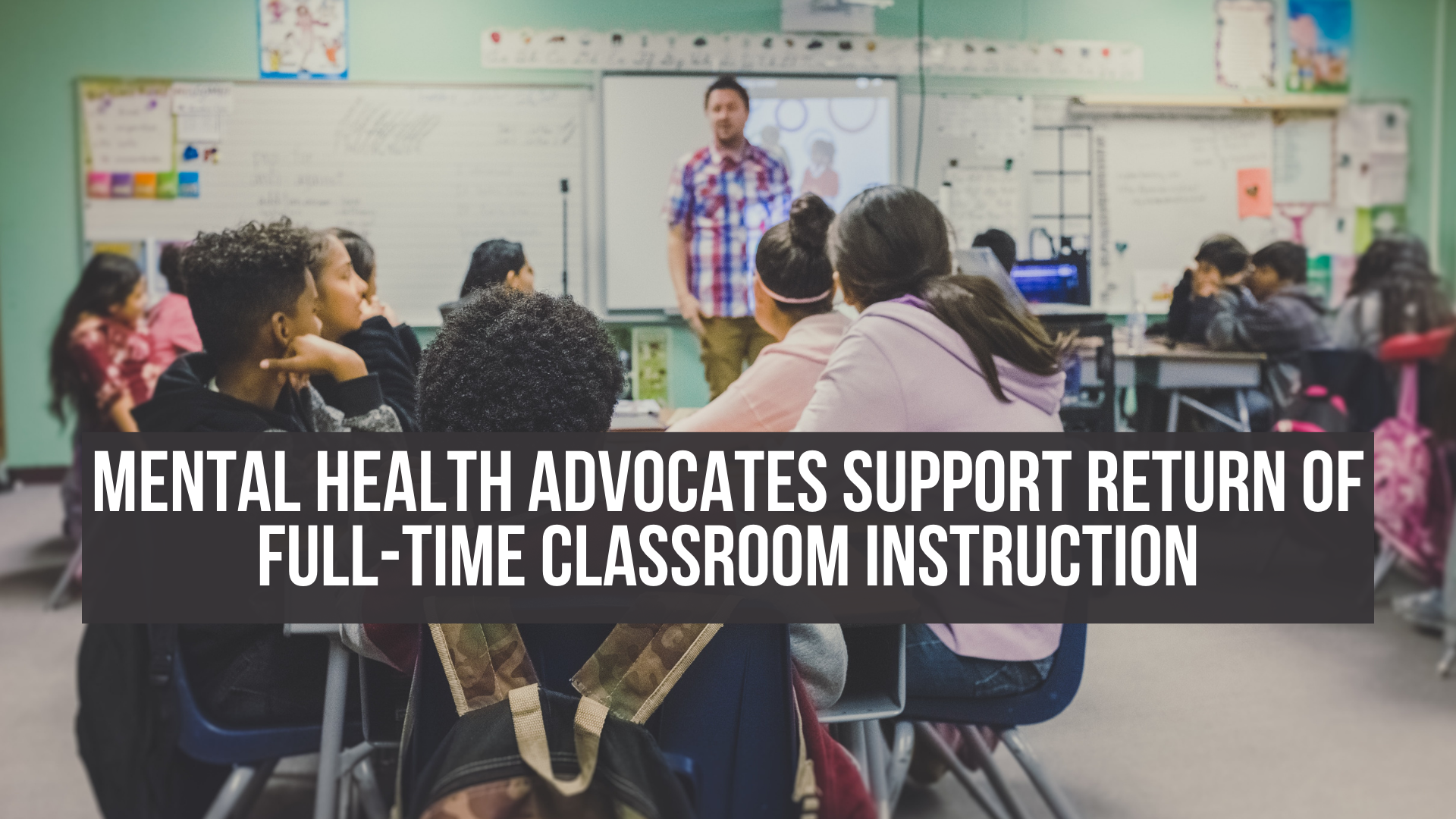
Mental health experts who are also parents with students in Wake County Public Schools are sounding an alarm over a rising mental health crisis due to a lack of full-time classroom instruction.
The North Carolina Department of Health and Human Services today updated the COVID-19 County Alert System, which shows 27 red counties — a decrease from 61 red counties on the previous Feb. 4 County Alert System — and the fewest red counties in the state since the start of the County Alert System.
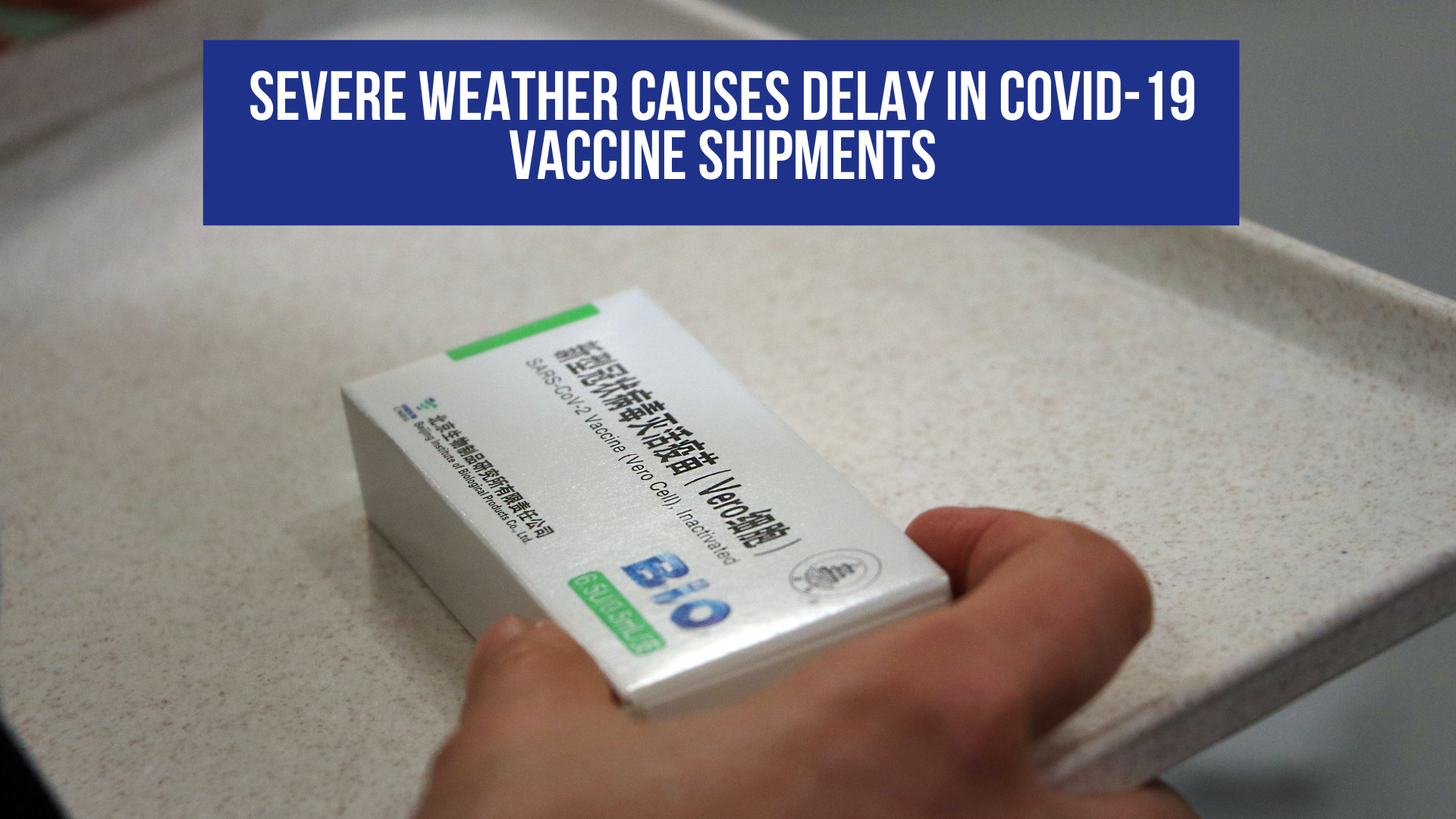
The North Carolina Department of Health and Human Services has been notified by the federal government of continued delays in some shipments and deliveries of COVID-19 vaccine this week due to severe weather. Both first and second dose shipments have been impacted. The Department is working with the Centers for Disease Control and Prevention and vaccine providers to help minimize the potential effects of these delays.
Majorities of the House and Senate agree that N.C. schools need legislative prodding to reopen, but they’re struggling to come to terms on how to do it.
As part of its partnership with the North Carolina Department of Health and Human Services to research public attitudes toward COVID-19, the North Carolina Central University Advanced Center for COVID-19 Related Disparities' (ACCORD) new research study shows communication about the safety and effectiveness of COVID-19 coupled with local access to COVID-19 vaccination can significantly reduce vaccine hesitancy among historically marginalized people.
The North Carolina Department of Health and Human Services today reported that North Carolina has reached a sobering milestone in the COVID-19 pandemic — more than 10,000 North Carolinians have died from the virus. The state also surpassed 800,000 total cases today.
Most North Carolinians don’t approve of the state’s vaccine rollout. More North Carolinians favor getting the COVID-19 vaccine, but that doesn’t mean they can, according to an Elon University Poll of nearly 1,500 residents conducted Jan. 29-31.
Education workers will leap to the head of the line for COVID-19 vaccines on Feb. 24. More than a million seniors are still waiting for their first dose.
Today Governor Roy Cooper and North Carolina Department of Health and Human Services Secretary Mandy K. Cohen, M.D. outlined a timeline for Group 3 frontline workers becoming eligible to receive the Covid-19 vaccine, beginning with anyone working in child care or in PreK – 12 schools on February 24.
North Carolinians have protected themselves and their loved ones from the flu along with COVID-19 by taking preventative measures such as wearing a mask, staying 6 feet apart from people who do not live with them, and frequently washing their hands or using hand sanitizer.