U.S. Senator Ted Budd (R-NC) joined Senator Katie Britt (R-AL) and 20 other Republican senators in introducing legislation that would ban noncitizens from voting in elections held in Washington, D.C.
All in Health
U.S. Senator Ted Budd (R-NC) joined Senator Katie Britt (R-AL) and 20 other Republican senators in introducing legislation that would ban noncitizens from voting in elections held in Washington, D.C.
Washington, D.C. — U.S. Senator Ted Budd (R-N.C.), Senator Tim Scott (R-S.C.), and Rep. Ralph Norman (R-S.C.-5) recently led a bicameral, bipartisan coalition of 84 of their fellow federal lawmakers in sending a letter to Secretary of Labor Lori Chavez-DeRemer urging the Department of Labor to roll back enforcement of Biden-era regulations that have dramatically increased costs for American farmers. Rules increasing the complexity of the H-2A visa program have increased deficits for farmers and created obstacles for producers seeking to enroll in the program.
Washington, D.C. — U.S. Senator Ted Budd (R-N.C.) recently led a group of Senate colleagues in urging Secretary of Commerce Howard Lutnick to probe allegations made by U.S. officials that DeepSeek Artificial Intelligence has provided support to the People’s Republic of China’s military and intelligence operations. The letter requests that the Department of Commerce investigate these allegations and thoroughly review threats posed by other Chinese open-source models that may be feeding information back to servers with ties to the Chinese government.
Washington, D.C. — U.S. Senators Ted Budd (R-N.C.) and Mark Kelly (D-Ariz.) introduced the bipartisan Seized Iranian Arms Transfer Authorization (SEIZE) Act to authorize the use of Presidential Drawdown Authority to transfer confiscated Iranian weapons seized in transit to terror proxies like the Houthi’s in Yemen to U.S. partners for their use. The SEIZE Act would bypass a potentially year-long legal process for the distribution of captured Iranian weapons and equipment held by U.S. CENTCOM, allowing it to be sent directly to U.S. military partners around the globe.
Washington, D.C.—U.S. Senator Ted Budd (R-N.C.) was joined by Senators Kirsten Gillibrand (D-N.Y.) and Cynthia Lummis (R-Wyo.) in reintroducing the Financial Technology Protection Act. The bipartisan bill aims to address the illegal use of financial technologies and digital assets to prevent sanctions evasion, terrorist financing, and money laundering.
Washington, D.C. — U.S. Senators Ted Budd (R-N.C.) and Martin Heinrich (D-N.M.) recently introduced an amendment to the 2026 Agriculture, Rural Development, Food and Drug Administration, and Related Agencies Appropriations Act to ensure the Food and Drug Administration (FDA) can activate regulatory and enforcement authorities to prevent the importation of illicit weight loss drugs and Active Pharmaceutical Ingredients (API) from the Republic of China and other foreign countries.
(RALEIGH) Governor Josh Stein joined Deputy Secretary William Lassiter, Elizabeth City Police Chief Eddie Graham Jr, and gun safety proponents to highlight NC S.A.F.E.’s (Secure All Firearms Effectively) Week of Action and call for safe firearm storage.
(RALEIGH) Governor Stein joined the North Carolina Department of Adult Correction, elected officials, law enforcement, and advocates at the North Carolina Rehabilitation and Reentry Conference to reaffirm North Carolina’s commitment to enhancing reentry processes to promote public safety, reduce recidivism, and improve outcomes.
Obesity rates are skyrocketing in our nation. In the last two decades, obesity has doubled among American adults. Despite the growing consensus and greater understanding of the disease, many people continue to view obesity as a lifestyle choice or personal failure. It’s important to understand that for many Americans, obesity is not a choice. It’s a chronic disease that affects every layer of a patient’s life.
I have countless Veterans in my district and am a Veteran myself and have long championed policies that promote economic growth, public safety, and personal freedom. That’s why I side with President Trump on rescheduling cannabis from a Schedule I to a Schedule III drug—a move that would not only facilitate research opportunities in the industry but also establish better regulatory frameworks for businesses and consumers alike.
Governor Josh Stein sent a letter to Congressional leaders urging them to change course on proposed federal cuts to the Medicaid program and laying out what’s at stake in North Carolina.
For many of us in the business community, it has been a welcome change to see commonsense business principles being applied to our bloated and dysfunctional federal government. Every day, we see news articles detailing examples of waste, fraud, and abuse being uncovered.
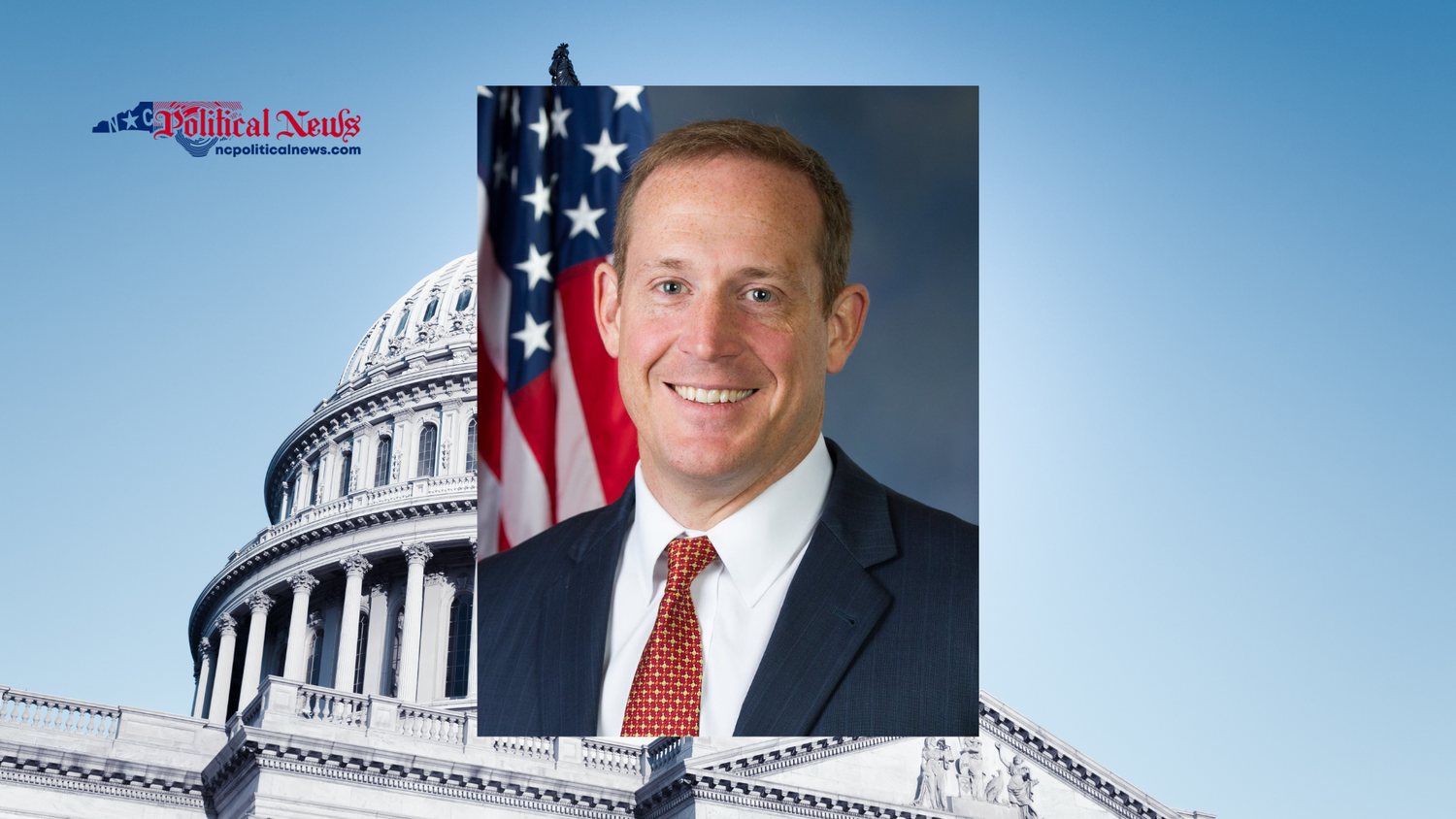
Washington, D.C. — Senator Ted Budd (R-NC) introduced the Health Sharing Ministry Tax Parity Act, which would allow families to deduct the cost of a health sharing ministry membership from their annual tax bill.
With nearly half of the American population suffering from obesity, we must take action to combat this rising health epidemic. Nearly 93 million estimated Americans are affected by obesity and its ripple effects. In the next five years, it’s predicted this number will rise to 120 million
Lately, there’s been a lot of talk about making government work better and lowering costs for Americans. As a former state lawmaker, I know that real solutions come from strengthening programs that deliver results—especially for seniors. Medicare Advantage is one of those programs.
Washington, D.C. — Senators Ted Budd (R-NC) and Edward J. Markey (D-MA) introduced the Strategy for Public Health Preparedness and Response to Artificial Intelligence Threats Act.
When someone is having a mental health crisis — whether they’re thinking about suicide, acting erratically or experiencing hallucinations — they frequently end up in a hospital emergency department, mostly because there are few places for them to go.
Amanda Watson was diagnosed with breast cancer three weeks after having an emergency cesarean section to deliver her second son. Her test results showed she had one of the most aggressive forms of breast cancer, with a high recurrence rate and low survival rate.
Washington, D.C. — Senator Ted Budd (R-NC), Senator Thom Tillis (R-NC), Rep. Chuck Edwards (R-NC), and Don Davis (D-NC) have introduced the Restoring Access to Mountain Homes Act.
RALEIGH — As the North Carolina General Assembly begins its 2025 session, lawmakers have many pressing issues to tackle.