All in Opinion

Merit pay boosts student success

How much say should the public have about public education? Parental revolts against “wokeness” fads in the classroom are all the rage right now, but gaps between public preferences and the practice of public education didn’t suddenly begin a few months ago. They’ve been around for decades.
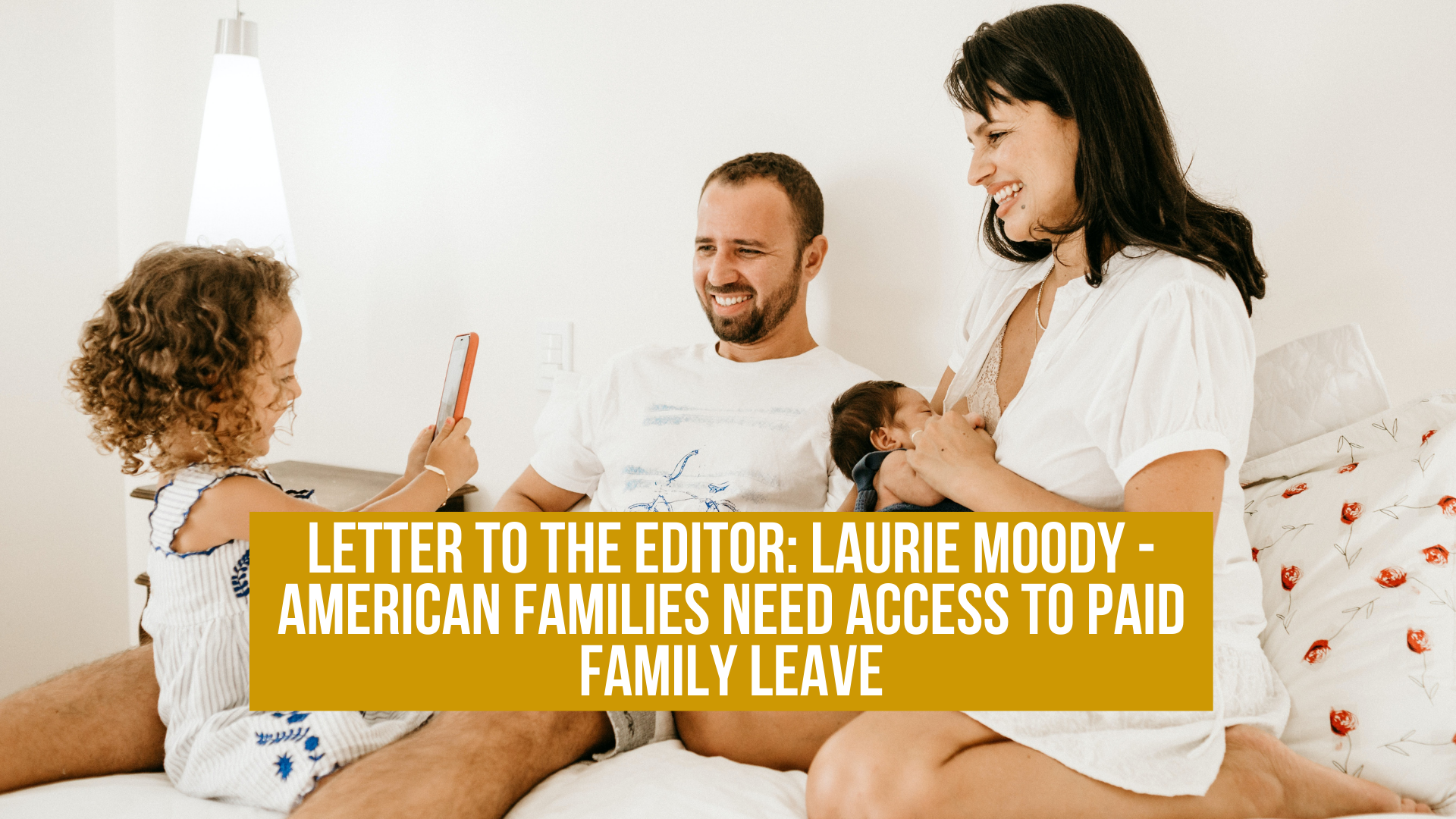
Letter to the Editor: Laurie Moody - American families need access to paid family leave

Benjamin Franklin gave us many great words of wisdom. One of his best lines is that we should “do well by doing good.” While this ideal may have worked in the politics and government of early American history in the 1700’s, we don’t see much of that sentiment in today’s public policy. People of all political stripes (right, middle, left and those not involved at all) are tired of the fighting and looking to support policies that exemplify the words of Mr. Franklin.

To do good or do better

There are at least as many different ways to explain the origins of political disagreement as there are political commentators. I, for one, think such factors as cultural traditions, religious views, family background, educational experiences, and interpersonal relationships all help to shape how we choose our preferred political candidates or “sides” – and how we choose to act on those preferences.

House passes interstate agreement for licensing mental health counselors

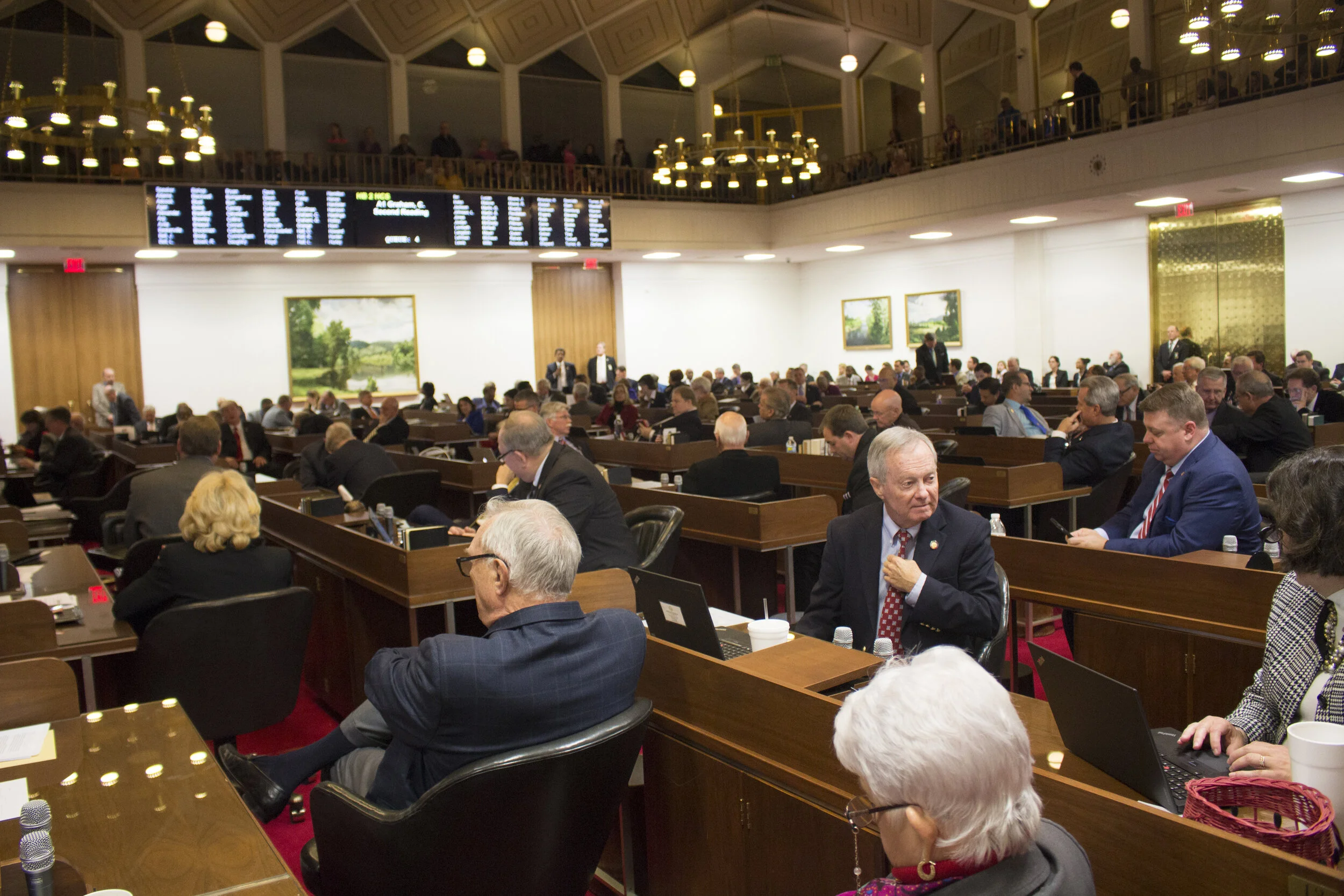
The N.C. House unanimously passed a bill Monday to allow mental health counselors to work across state lines. Aimed at increasing public access to professional counseling services, House Bill 791, Licensed Counselors Interstate Compact, would enter North Carolina into an agreement with member states allowing a counselor’s license from one state to be accepted in the others.

Effect of state policy isn’t huge

For years, North Carolina conservatives and progressives argued incessantly about the effects of the state’s rightward turn. Conservatives said lower taxes and less regulation tend to boost entrepreneurship, job creation, and economic growth. Rejecting that position, progressives argued that spending more money on education and other public programs and making greater use of health, safety, and labor regulations would have net-positive results for the economy.