Last month I joined dozens of other writers, scholars, activists, and leaders across the country to declare ourselves “Freedom Conservatives.” What do FreeCons stand for? You can read our statement of common principles at FreedomConservatism.org.

All in Opinion
Last month I joined dozens of other writers, scholars, activists, and leaders across the country to declare ourselves “Freedom Conservatives.” What do FreeCons stand for? You can read our statement of common principles at FreedomConservatism.org.
Former Labor Commissioner Cherie Berry, the longest-serving commissioner in North Carolina history, has endorsed Luke Farley to be the next Labor Commissioner.
Over the next 25 years, the market for electrical power in North Carolina will undergo dramatic change. If progressives get their way, government will use a combination of subsidies and mandates to vastly expand our dependence on solar and wind. If cooler heads prevail, we will vastly expand our use of nuclear energy
A new study of occupational-licensing laws is out — and the results aren’t pretty for North Carolina. According to a report by the Archbridge Institute, which studies barriers to economic mobility, the Tar Heel State has the eighth-highest level of occupational licensing in the country.
With my longtime friend Andy Wells, a former state senator, joining the Republican primary field for governor and Supreme Court Justice Mike Morgan publicly considering a run for the Democratic nomination, now seems like an opportune time to answer a frequently voiced question.
North Carolina has enjoyed more than a decade of conservative governance. It’s brought our state impressive growth and widespread acclaim. The General Assembly has reformed and reduced state taxes, lightened the regulatory burden, invested in infrastructure, and promoted choice and competition in public services, among other accomplishments.
In North Carolina, the political label “conservative” is more popular than the terms “liberal” or “progressive.” In the most recent John Locke Foundation poll, for example, 46% of likely voters described themselves as conservatives, with 25% picking the liberal label and the rest either “moderate” or nothing at all. If we broaden out to include all North Carolinians, not just those who reliably vote, the gap shrinks a bit. But conservatives still form a plurality — and they significantly outnumber liberals.
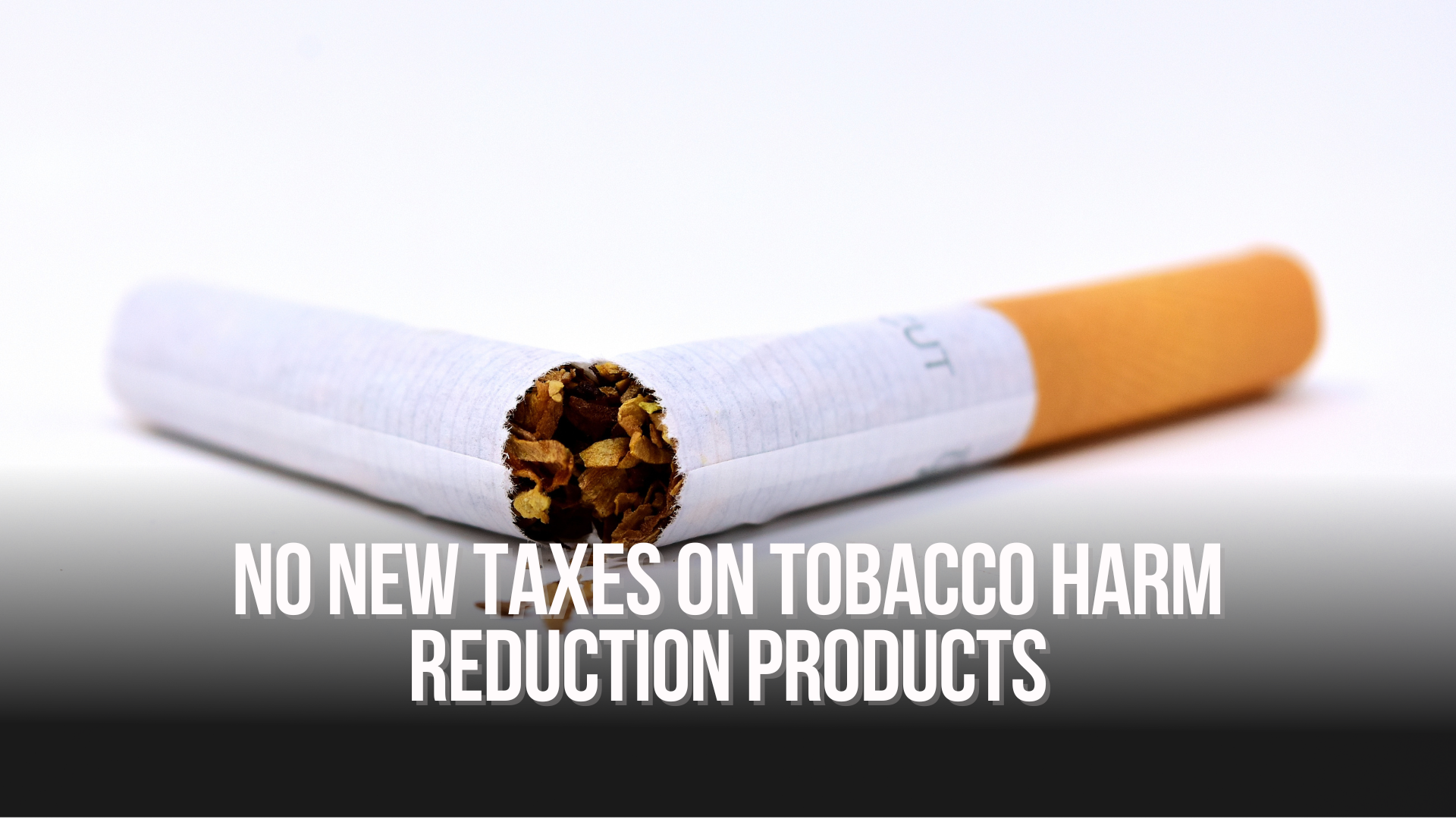
Access to better, safer alternatives to cigarettes is once again under attack, this time in North Carolina where lawmakers are considering a new tax on nicotine pouches. Proposals such as these have become all too familiar as more and more lawmakers look at ways to restrict access to reduced harm products that adults use as alternatives to tobacco products.
Because Gov. Roy Cooper’s former secretary of health and human services, Mandy Cohen, just got the nod from President Joe Biden to be the next director of the Centers for Disease Control, politicians and analysts are again debating how North Carolinians fared during the COVID-19 pandemic.
The Affordable Connectivity Program (ACP), which is responsible for making high-speed internet affordable for over 750,000 North Carolinians, is expected to run out of funds in early 2024. There are many factors that go into our most low income and rural Americans not having access to high-speed internet, but affordability and access are two of the biggest issues. This program plays a key role in addressing the digital divide. If we let it expire, the most significant negative impact would be felt by those in rural communities.
RALEIGH — In a recent column, I argued that cities would draw more investment and job creation to their downtowns if people felt safer in them. Because the only North Carolina cities included in the national study I cited were Charlotte and Raleigh, some readers concluded that I thought the problem was limited to those two jurisdictions.
Democrats this summer are working to bring our country a step closer to socialized medicine by slipping a Bernie Sanders-backed pharmacy benefit manager (PBM) reform measure into a broader insulin cap package that is expected to receive a vote in the coming months.
Some Members of Congress are pushing to change a little-known, but hugely influential airport rule that could seriously impact flights in and out of local and regional airports including the Fayetteville Regional Airport.
Faithful Christians all across America had good reason to celebrate Independence Day this year. In the week preceding the July Fourth holiday, the U.S. Supreme Court handed down two landmark decisions which significantly clarified and extended constitutional protection of religious liberty in American life and law.
Rep. Jon Hardister (R- Guilford) issued the following statement in response to the U.S. Supreme Court's decision related to the use of affirmative action on college campuses:
We hope this law is never used, but unfortunately there are some cases in which it may need to be implemented. Ensuring local governments’ bank books are balanced and taxpayer money is properly accounted for has always been important. With millions of federal dollars flowing through our local governments, that obligation is more important than ever.
Governor Roy Cooper issued the following statement on the U.S. Supreme Court's ruling on the Moore v. Harper case, rejecting NC Republicans' fringe election theory:
Negotiators from the North Carolina House and Senate are current hashing out a compromise budget for the fiscal year that begins in July. One of the sticking points, it seems, is how best to build on the state’s impressive record of tax reduction and reform.
Representative Deborah Ross (NC-02) led Representatives Linda Sánchez (CA-38), Jamie Raskin (MD-08), Sara Jacobs (CA-51), and Bonnie Watson Coleman (NJ-12) in introducing an amendment to the House Rules for the 118th Congress that would allow Members to proxy vote if they, their spouse, or their dependents are experiencing serious medical conditions, including a pregnancy-related condition.