Wednesday, the North Carolina House passed a bill requiring students at state universities to take a three-credit hour course on the U.S. Constitution and other founding documents by a vote of 69-47.

All in Politics
Wednesday, the North Carolina House passed a bill requiring students at state universities to take a three-credit hour course on the U.S. Constitution and other founding documents by a vote of 69-47.
Medicaid expansion has been a topic of lively and lengthy debate in the North Carolina General Assembly for the better part of a decade. As a representative of the people, I have thoroughly reviewed the presented data, listened to the feedback provided by my constituents and concerned citizens in neighboring counties, and have come to the conclusion that ObamaCare Medicaid expansion is a bad deal for North Carolina.
Governor Roy Cooper announced North Carolina boards and commissions appointments and nominations.
The N.C. Justice Department argues that the U.S. Supreme Court should dismiss the Moore v. Harper redistricting case. But lawyers representing state legislative leaders urge the court to keep the case and render a decision.
On Wednesday, the North Carolina Senate introduced a creative solution to address critical workforce housing shortages for North Carolinians.
One of the most discriminatory laws on North Carolina’s books is the pistol purchase permit system, which was first implemented in 1919.
The judge overseeing North Carolina’s long-running Leandro education funding lawsuit signaled Friday that he might issue a new spending order in the case within three weeks. That announcement followed more than 2 1/2 hours of courtroom debate over the amount of money to be included in that order.
Roy Cooper, a Democrat, has allowed two bills, H.B. 40, Anti-Rioting, and S.B. 53, Hotel Safety, to become law without his signature.
Governor Cooper let House Bill 40 become law without his signature.
Governor Roy Cooper let the following bills become law without his signature:
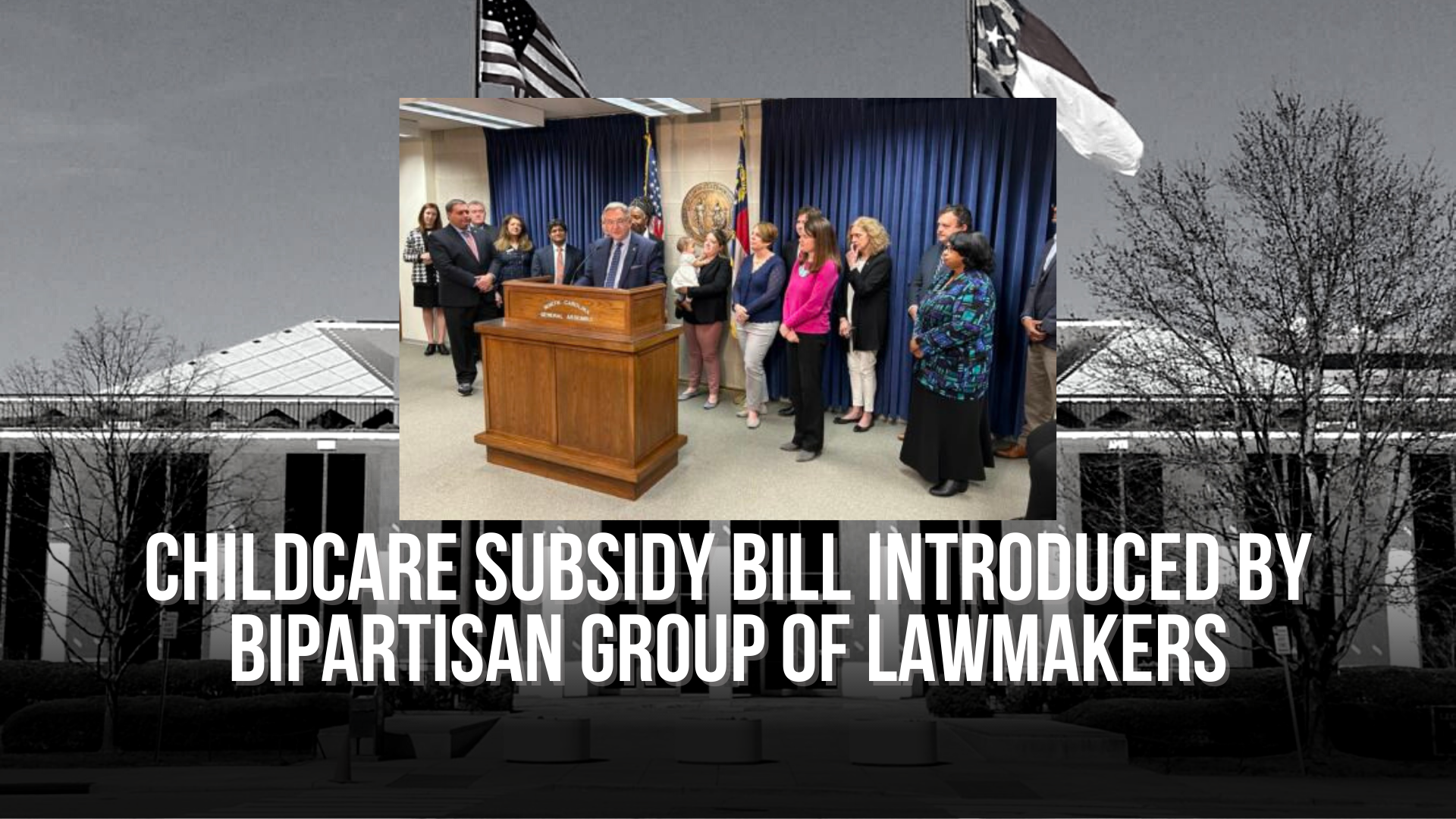
A bipartisan groups of Republican and Democratic lawmakers recently announced in a press conference that addressing early childhood education policy would be a priority this legislative session.
North Carolina’s state pension system was among the victims of the recent collapse of two large Silicon Valley, California banks, with the loss of millions in stock at both banks.
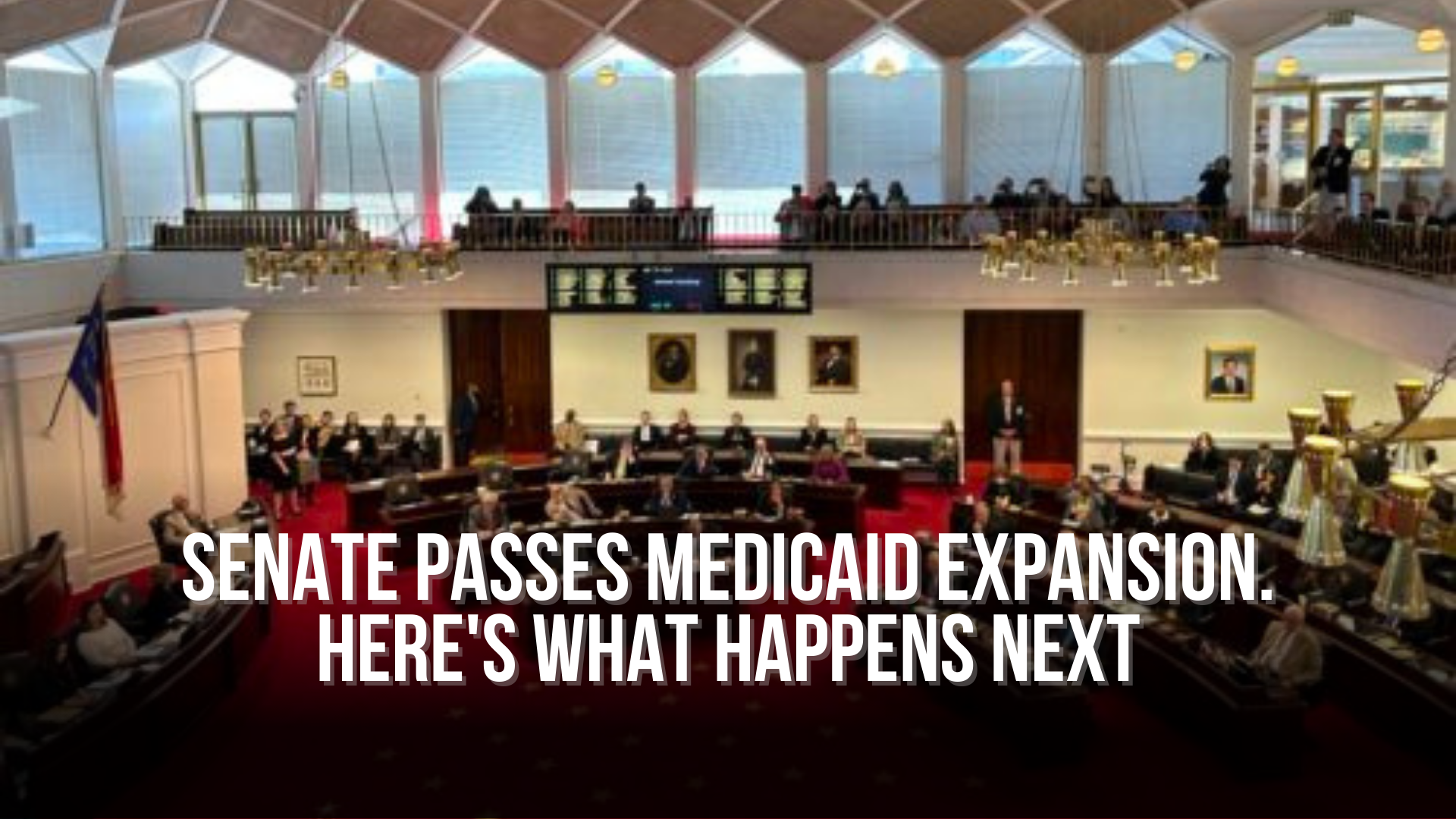
This week, the Senate passed House Bill 76 (H.B. 76), legislation that will expand Medicaid by a vote of 43-2. The bill now heads to the state House for concurrence, and lawmakers there are expected to vote on it next week.
Every year I have hope that whatever sane adults exist in positions of power will come together to ensure we never again have to deal with government-mandated clock shifting. But every year the disappointing “spring forward” arrives, as it did this week.
Gov. Roy Cooper unveiled what he called his “First in Opportunity” budget at a press conference Wednesday, proposing to spend $32.95 billion in the first year of the biennium and $34.23 billion in the second year. The budget keeps $7 billion in reserve and doesn’t raise taxes, but halts some planned tax cuts.
The North Carolina Senate approved a conservative healthcare access bill that reforms our state's Certificate of Need laws and expands access to health insurance.
in North Carolina and across the country are struggling to find qualified workers to fill key positions in their organizations. As they reconsider the minimum qualifications they are willing to accept, those screening candidates are increasingly setting aside the requirement of a four-year degree.
the North Carolina House passed a bill that would prohibit local governments from blocking consumers from certain types of energy sources, by a vote of 76-38.
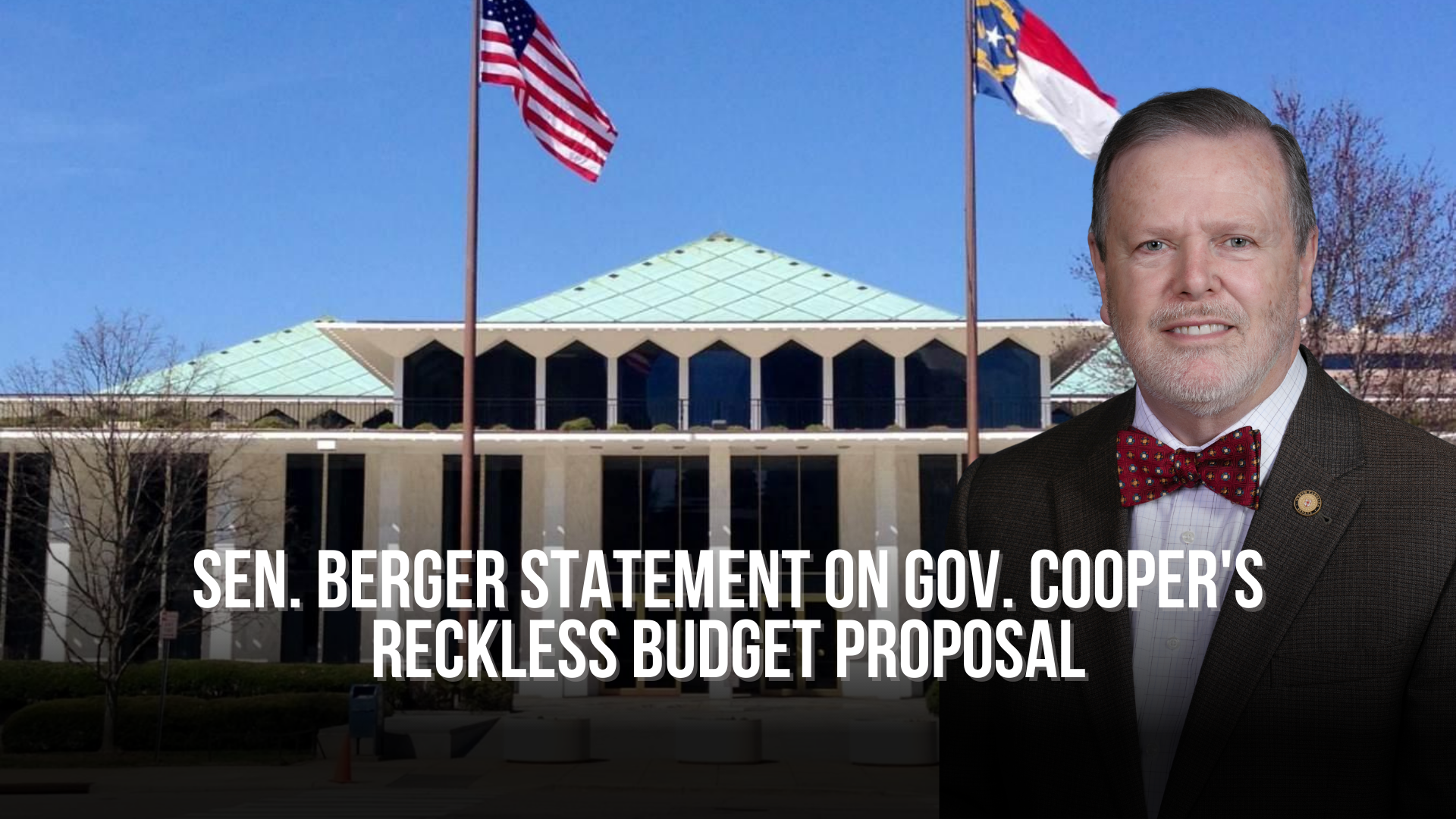
Senate Leader Phil Berger (R-Rockingham) released the following statement on Gov. Roy Cooper's budget proposal: