Governor Roy Cooper signed the following bill into law:

All in Politics
After final Senate approval of the 2023 Appropriations Act, Governor Roy Cooper announced that although he will not sign the budget, he will allow it become law without his signature.
The State Budget (HB 259), as ratified by the General Assembly on Thursday, included a key provision aimed to protect the safety of students in North Carolina schools.
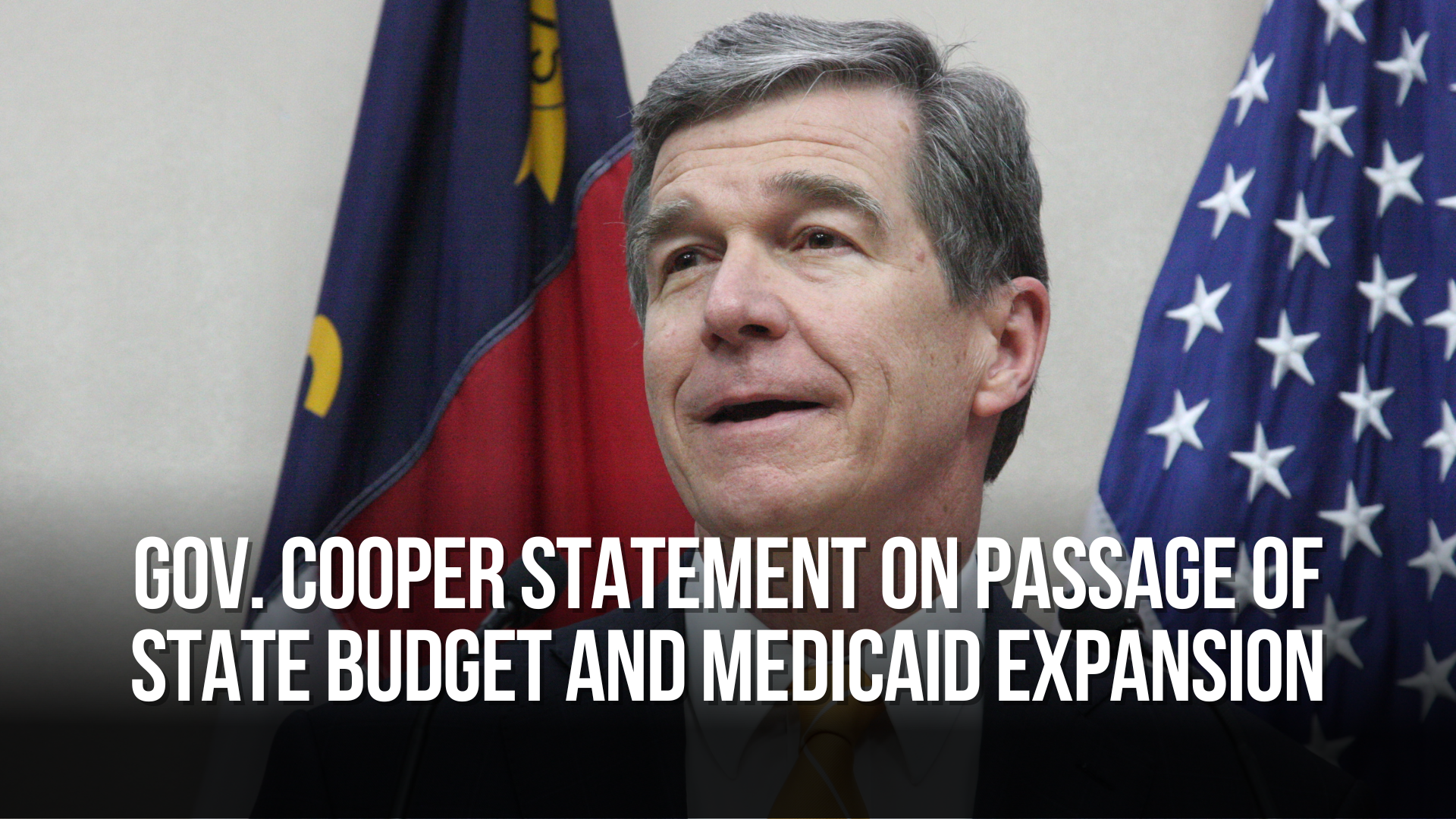
Governor Roy Cooper issued the following statement on the passage of the state budget and Medicaid Expansion:
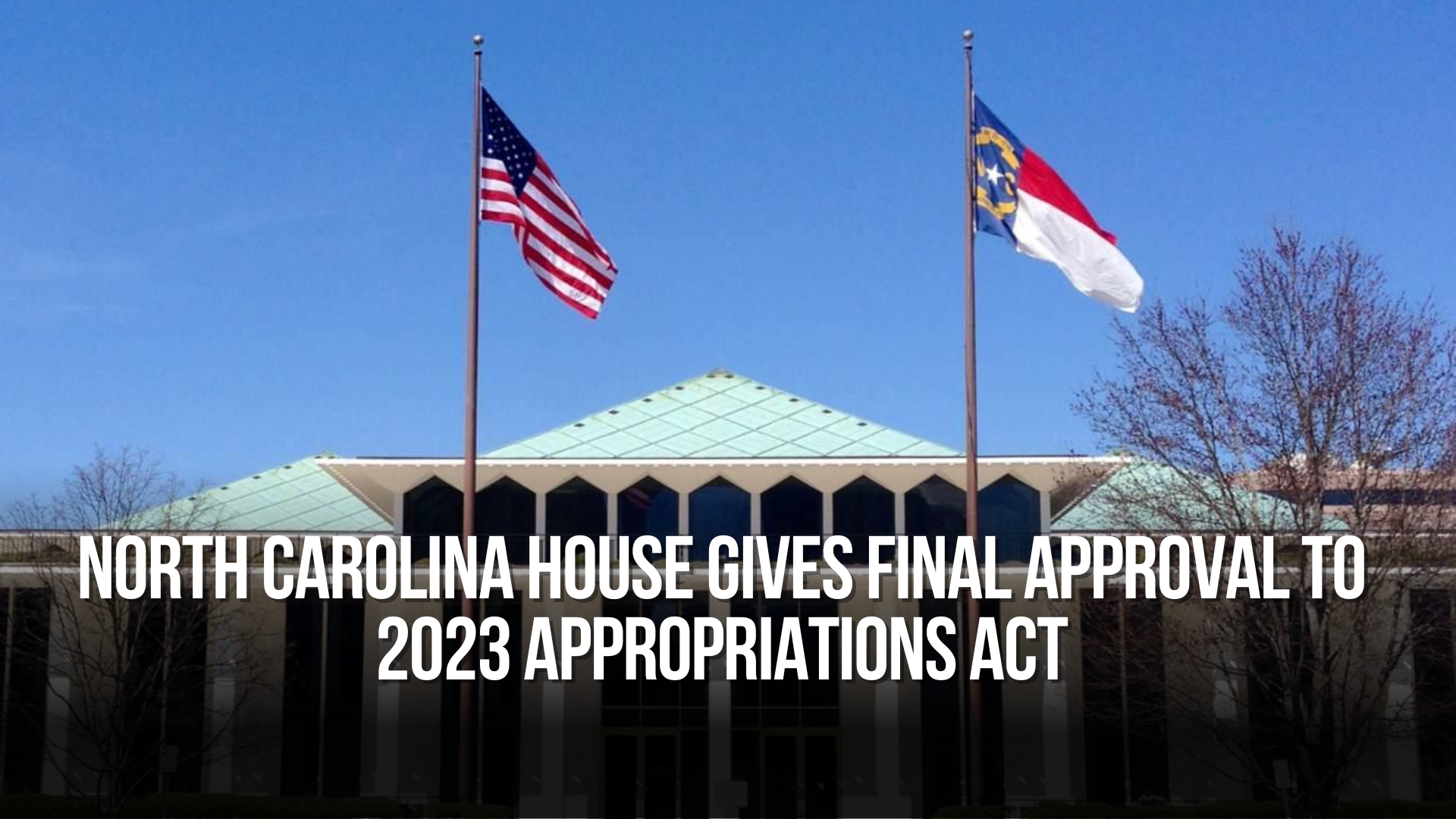
The NC House of Representatives gave final approval to the 2023 Appropriations Act in a bipartisan vote of 70-40.
The “2023 Appropriations Act” passed its second reading in the North Carolina Senate. A final procedural vote will be held on Friday before the state budget goes to Gov. Roy Cooper for his consideration.
Legislative leaders released the finalized “2023 Appropriations Act,” continuing a decade of success in North Carolina through thoughtful spending and keeping government growth in check.
Congresswoman Valerie Foushee (NC-04), Ranking Member of the House Committee on Science, Space, and Technology’s Investigations and Oversight Subcommittee, delivered the following opening remarks at the Subcommittee Hearing titled, A Bar Too High: Concerns with CEQ’s Proposed Regulatory Hurdle for Federal Contracting. You can watch the hearing here.
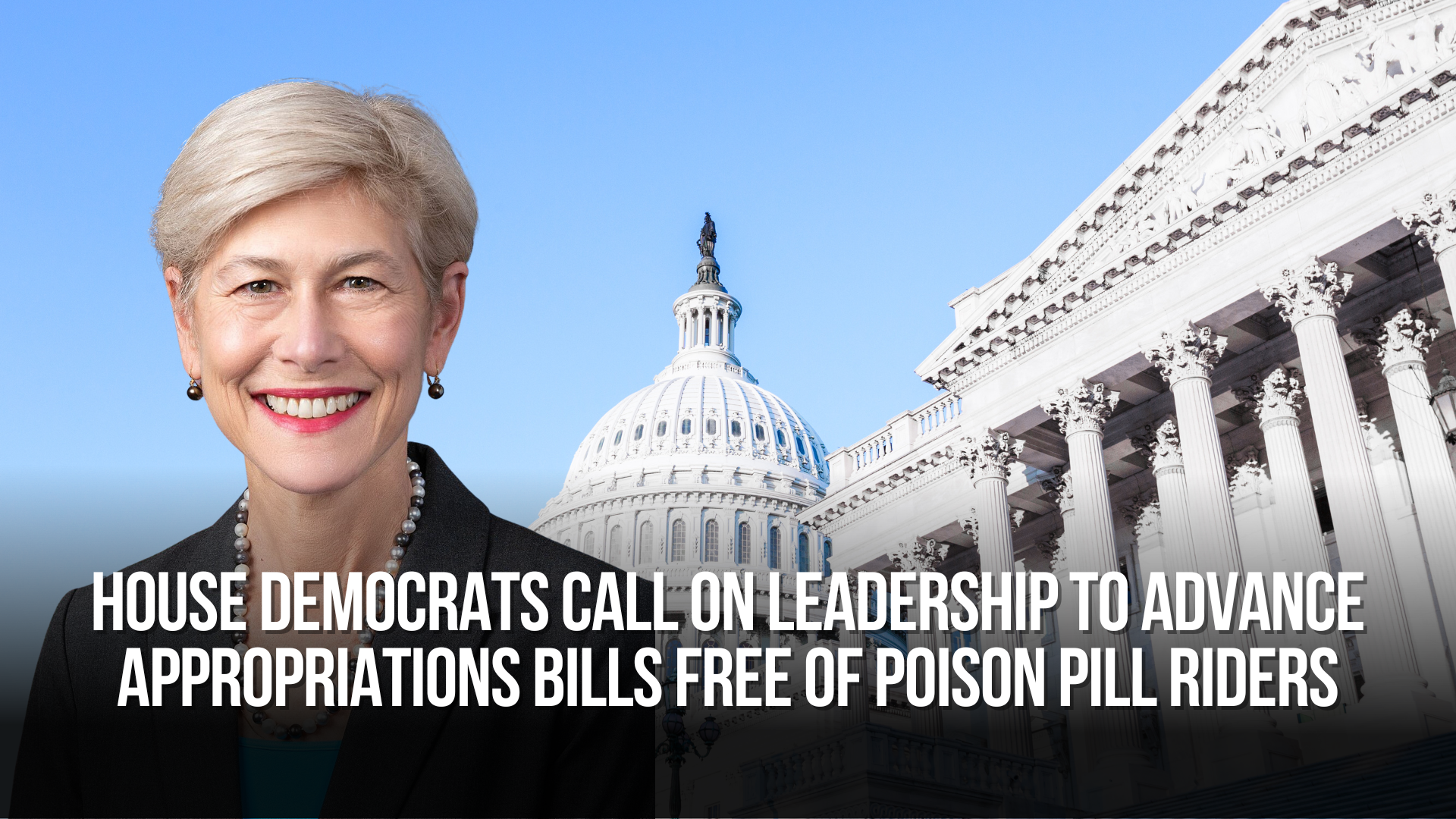
Representatives Deborah Ross (NC-02), Jan Schakowsky (IL-09), Doris Matsui (CA-07), Terri Sewell (AL-07), and Ruben Gallego (AZ-03) led 139 House Democrats in a letter to House and Appropriations Committee leadership requesting that they advance responsible appropriations legislation free of poison pill provisions and adequately fund non-defense discretionary programs at the caps agreed to in the bipartisan debt ceiling package.
On Tuesday, the North Carolina General Assembly ratified legislation to curb abuse of fentanyl, a synthetic opioid that is up to 100 times stronger than morphine and has emerged as a deadly force in the ongoing battle against drug overdose.
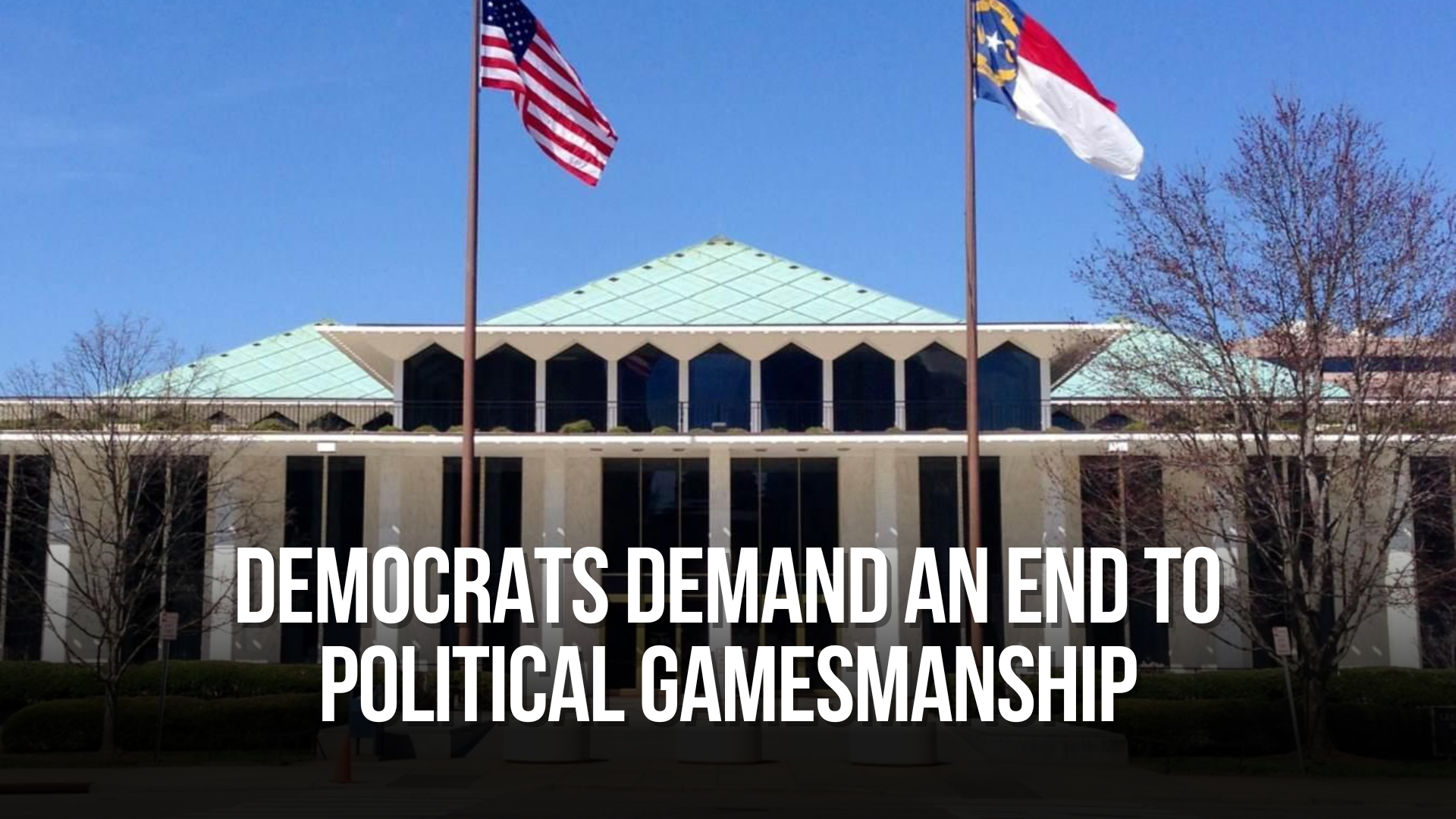
The Republicans’ Frankenstein experiment that sutured promised Medicaid expansion in North Carolina to expanded legal gambling has failed.
Senate President Pro Tem Phil Berger (R-Rockingham) rarely loses a hand in the political games that play such a prominent role in the work of North Carolina General Assembly.
Charlotte and Raleigh certainly have their problems — as discussed regularly in, among other places, this very spot on the opinion page! But as someone who grew up near Charlotte and now lives near Raleigh, I will also say there’s still more going right than going wrong in our state’s two most-populous communities.
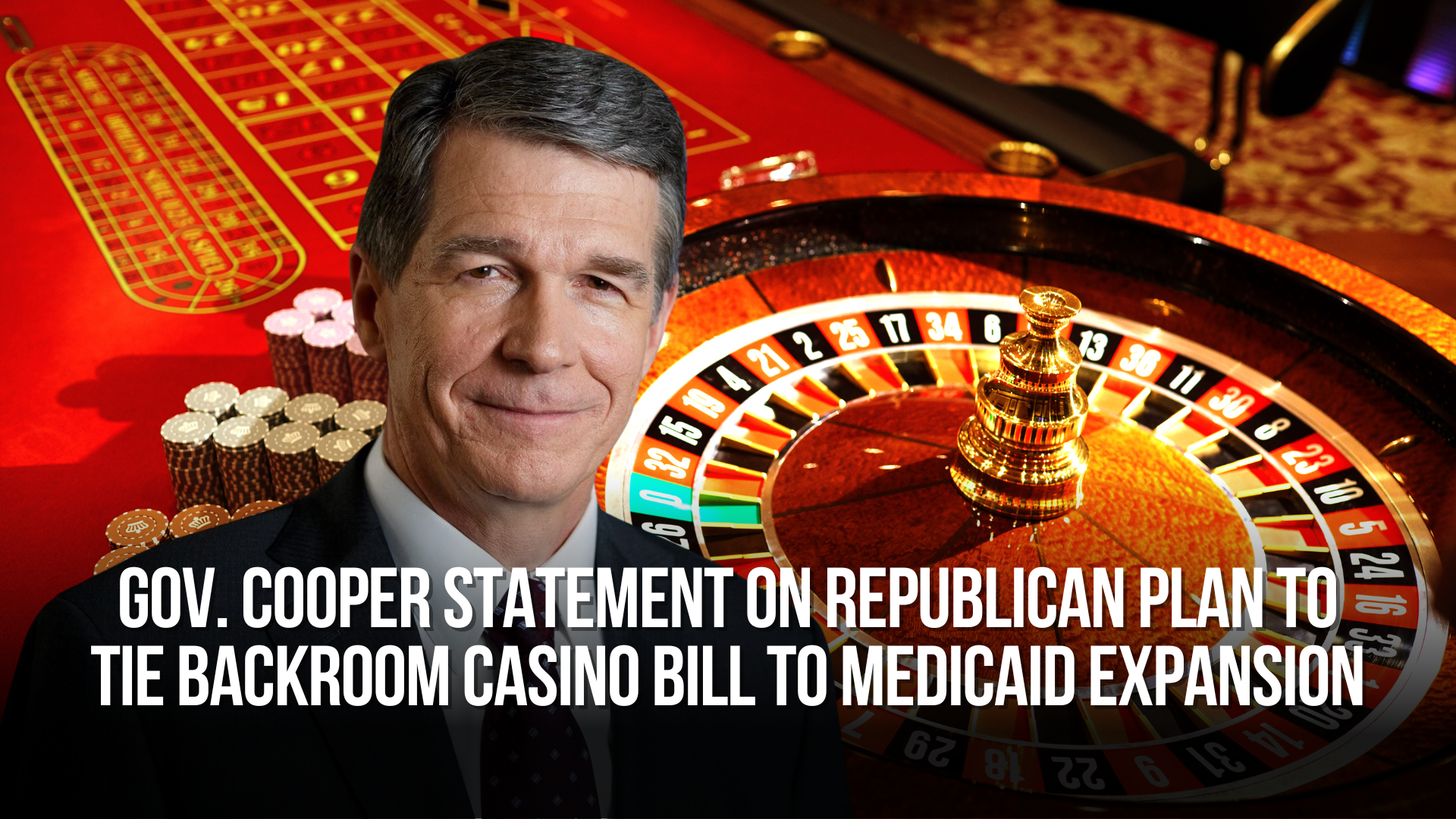
RALEIGH: Governor Roy Cooper issued the following statement on the Republican supermajority's plan to tie Medicaid Expansion to their controversial, backroom casino plan:
Congresswoman Deborah Ross (NC-02) introduced the Protect Working Musicians Act of 2023. This legislation will give small independent artists and music creators the power to collectively negotiate with both streaming platforms and generative artificial intelligence (AI) developers for fair compensation.
On March 23rd, Republican leadership joined Democrats at the Governor’s mansion to celebrate the long overdue passage of Medicaid expansion—promising to (finally) deliver access to affordable healthcare to 600,000 North Carolinians upon the adoption of a state budget.
In the waning days of the 2023 legislative session, there seems to be no shortage of ideas of how to reshape North Carolina’s elections. From ballot signature verification to giving the General Assembly appointment power to the State Board of Elections, Republican legislators maintain their changes will instill voter confidence in the system.
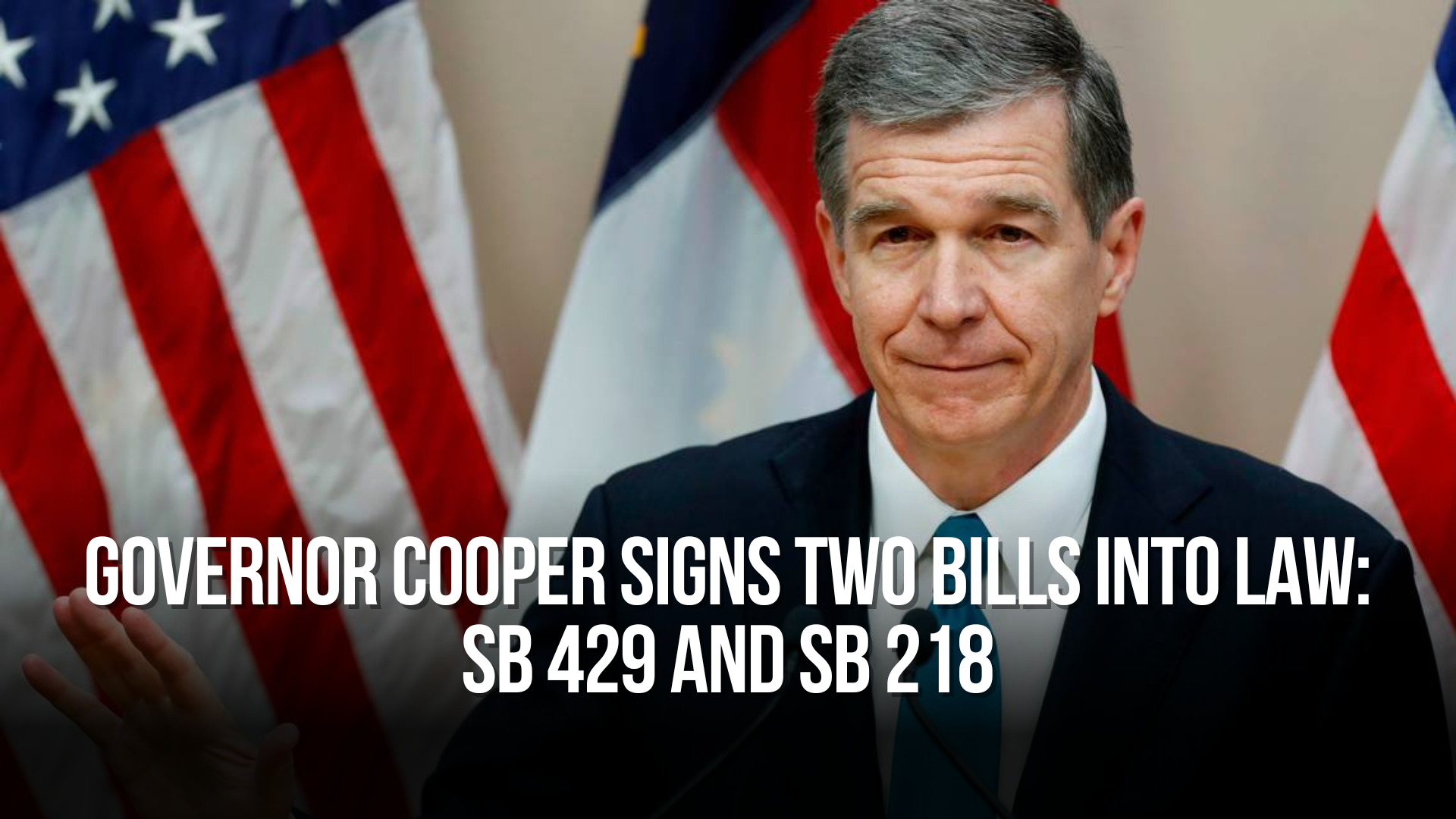
Governor Roy Cooper signed the following bills into law: