K-12 schools are expected to open for in-person instruction for K-12 students following the StongSchoolsNC health guidance released today by the North Carolina Department of Health and Human Services.

All in State Government
K-12 schools are expected to open for in-person instruction for K-12 students following the StongSchoolsNC health guidance released today by the North Carolina Department of Health and Human Services.
After coming up one vote short in its first effort to override Gov. Roy Cooper’s veto of a bill to reopen schools, the Senate is moving to try again.
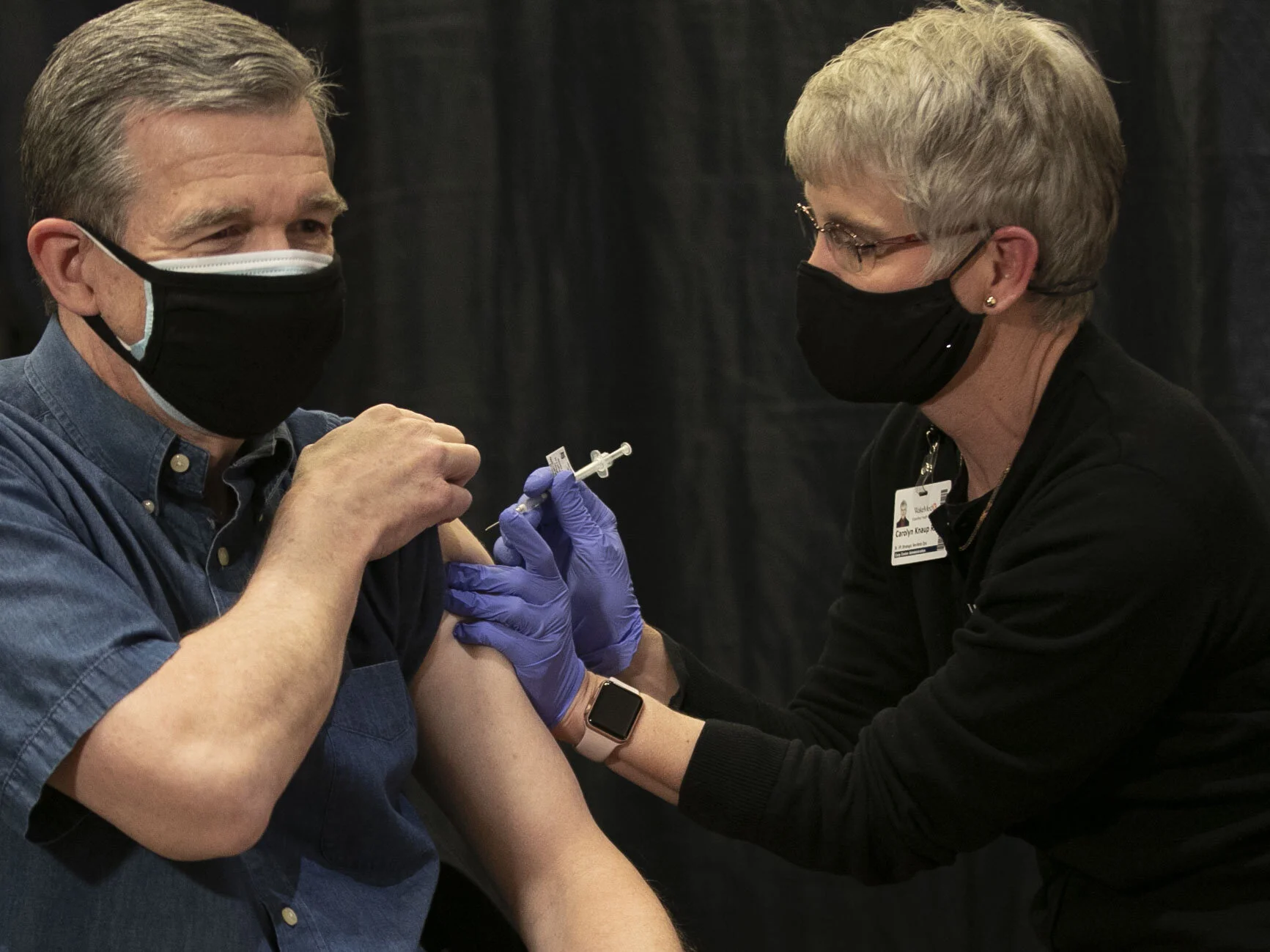
Today, Governor Roy Cooper received his first dose of a COVID-19 vaccine at WakeMed Raleigh Campus.
The N.C. General Assembly on Monday, March 1, tried but failed — by one vote, 29-20 — to override the governor’s veto of a bill to reopen schools, even as students — parents, too — suffer, and opinion polls show residents want children back in the classroom.
Attorney General Josh Stein filed a friend-of-the-court brief urging the U.S. Supreme Court to preserve schools’ ability to address cyberbullying and other forms of off-campus bullying that substantially affect students’ education.
Called the “Students, Parents, Community Rights Act,” these bills would allow 50% capacity at outdoor sporting events. Until this week, these events were capped at 100 attendees per Cooper’s executive orders. His most recent order raised that to 30% capacity.
Governor Roy Cooper today issued an Executive Order that the Department of Commerce will increase efforts to help North Carolinians who file for unemployment benefits return to work.
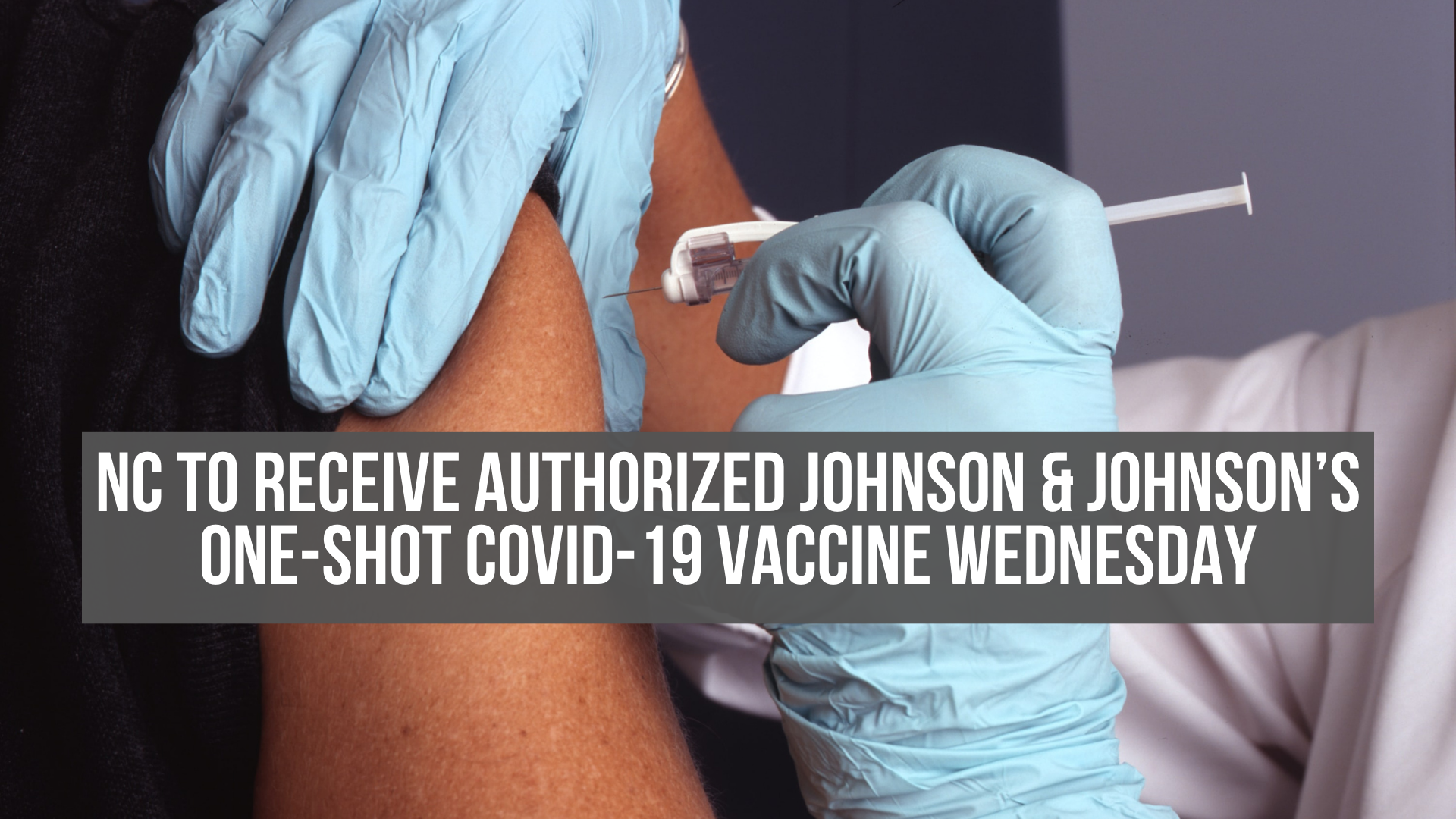
North Carolina has another tested, safe and effective COVID-19 vaccine to protect against virus-related hospitalization and death. The federal government authorized the distribution of Johnson & Johnson’s (Janssen) one-shot vaccine and more than 80,000 doses are expected to arrive in the state this week, beginning on Wednesday.
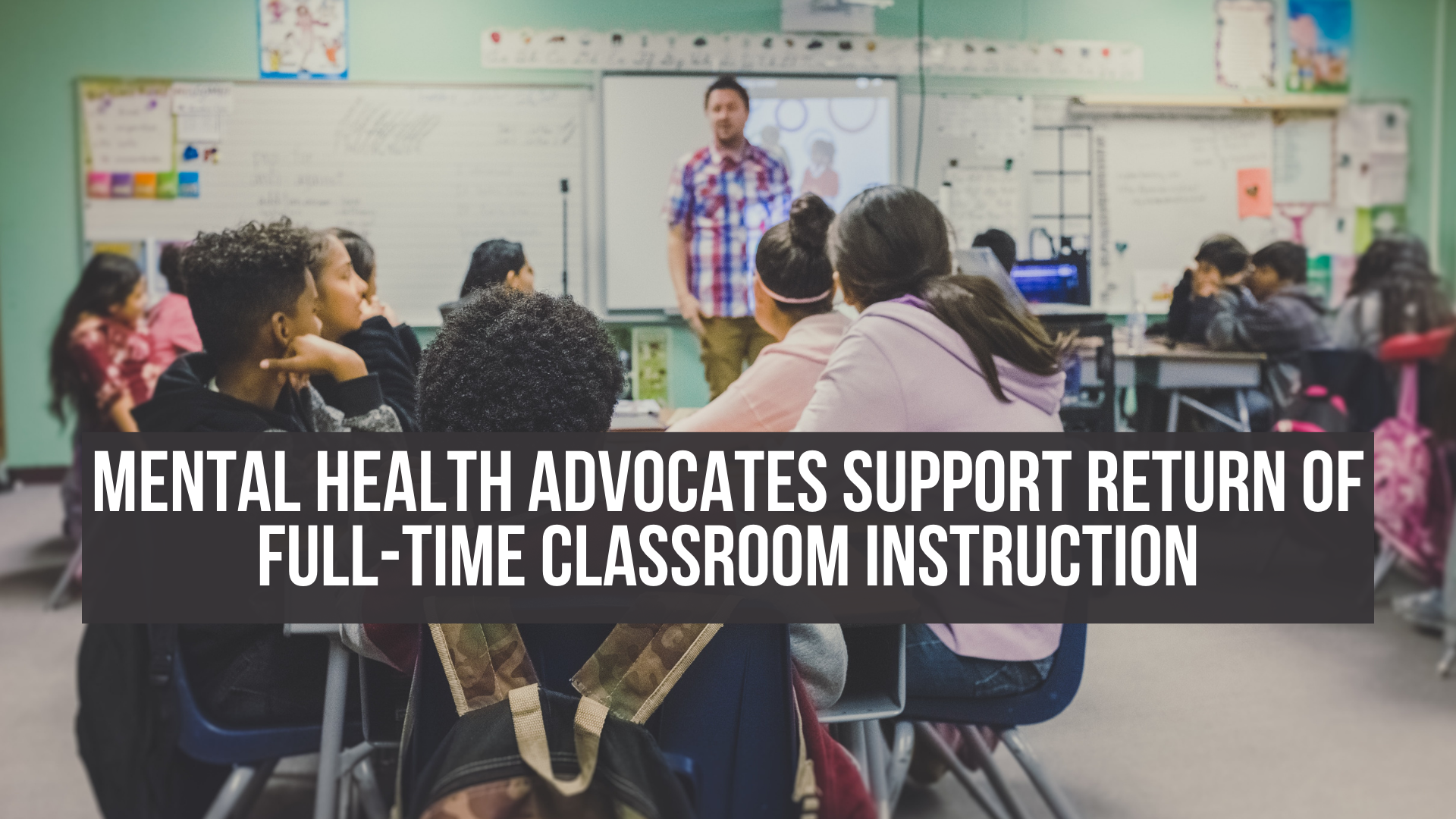
Mental health experts who are also parents with students in Wake County Public Schools are sounding an alarm over a rising mental health crisis due to a lack of full-time classroom instruction.
RALEIGH: Governor Roy Cooper today announced the establishment of a COVID-19 vaccination center in North Carolina, in partnership with the federal government.
RALEIGH: Governor Roy Cooper announced several recent senior personnel changes within the Governor’s Office.
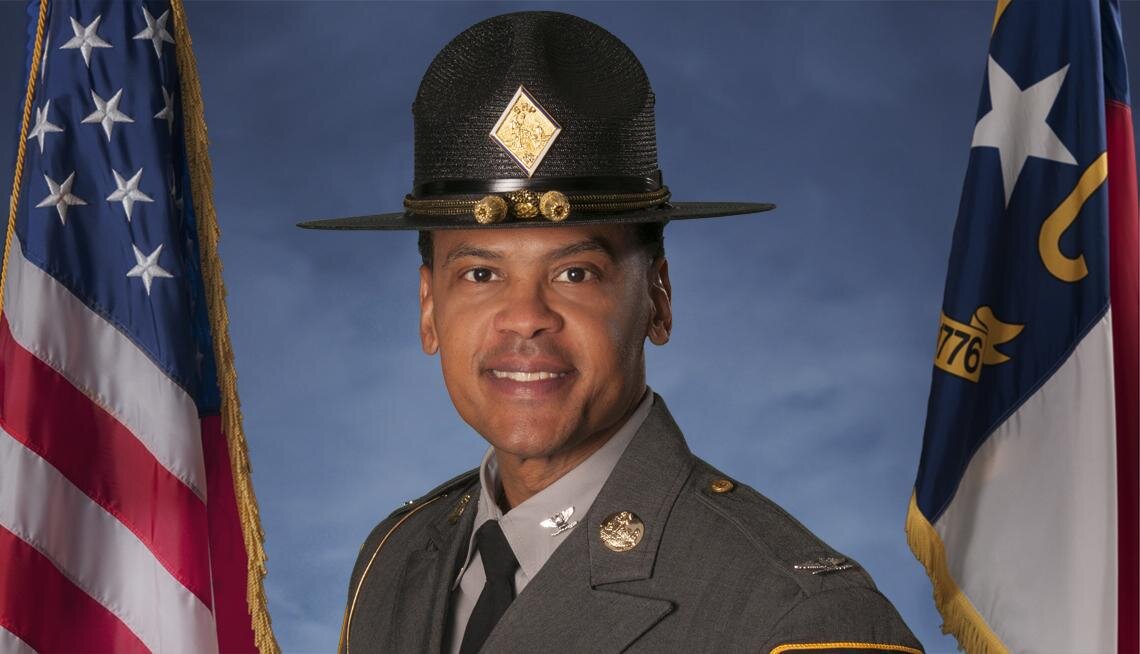
The North Carolina Department of Public Safety today announced the retirement of Colonel Glenn M. McNeill, Jr. State Highway Patrol commander. Colonel McNeill has served as the 27th commander since his appointment by Governor Roy Cooper on Feb. 2, 2017.
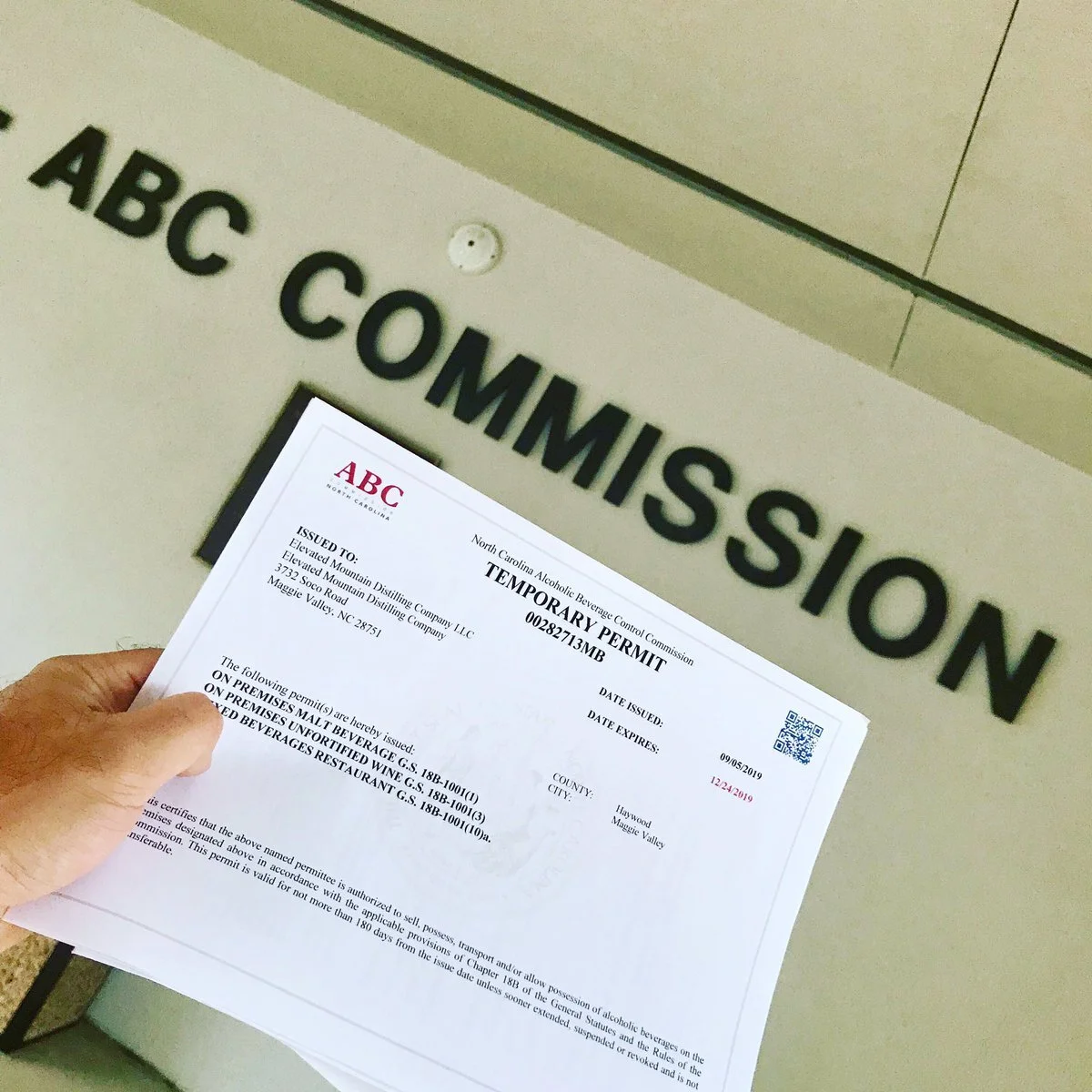
Private bars will open at limited capacity under a new executive decree from the governor, although at the same time he called for more direct government aid to prop up failing businesses.
The United States Department of Agriculture (USDA) today announced it is investing $144 thousand to rural residents gain access to education and health care in rural North Carolina.
"The pandemic has hit bar owners hard, and this bill offers needed relief from the burden of fees as they work to keep their businesses afloat and create more jobs."
A former South Carolina congressman says it’s possible to get N.C. conservatives to back a carbon tax and other progressive climate change policies if the left uses an economic argument to do so.
State House Speaker Tim Moore (R-Cleveland) responded Wednesday to Governor Cooper modifying certain restrictions on businesses and gatherings in North Carolina. "North Carolina has lagged behind most of our neighboring states when it comes to reopening. I am glad the Governor has taken this step and the General Assembly will continue to advocate for safely reopening schools and the economy."
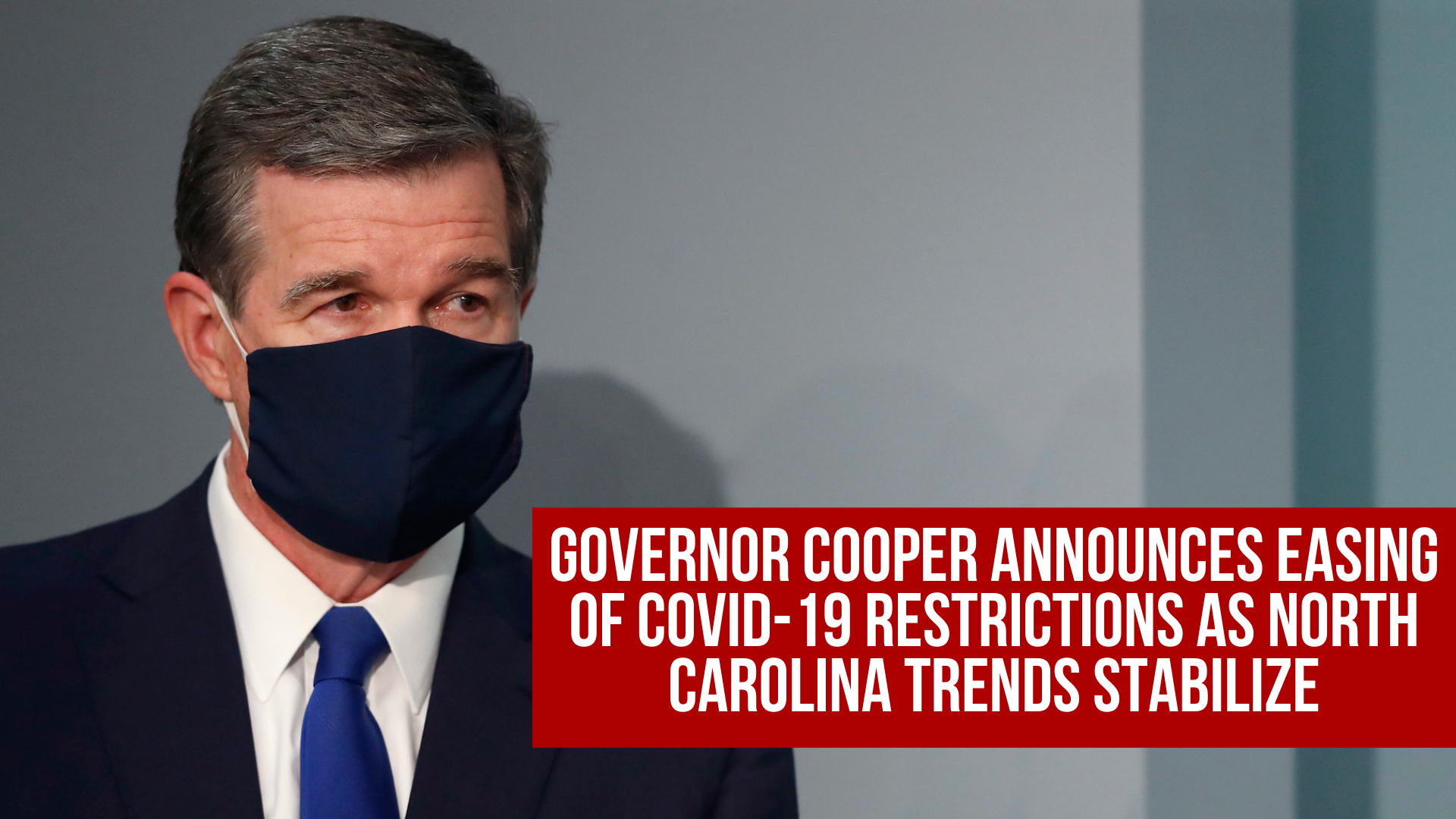
As North Carolina’s numbers continue to show improvement and vaccine distribution increases, Governor Roy Cooper announced today that the state will carefully ease some of its COVID-19 restrictions. Executive Order No. 195 will take effect February 26th at 5 pm and will expire March 26th at 5 pm.
With new U.S. Census data not expected until September, the State Board of Elections is recommending moving all of this year’s municipal elections to 2022.
Governor Roy Cooper announced this week $282 million in loans and grants to help pay for 94 drinking water and wastewater projects statewide.