Constitutional amendment on Council of State vacancies returns to Senate calendar
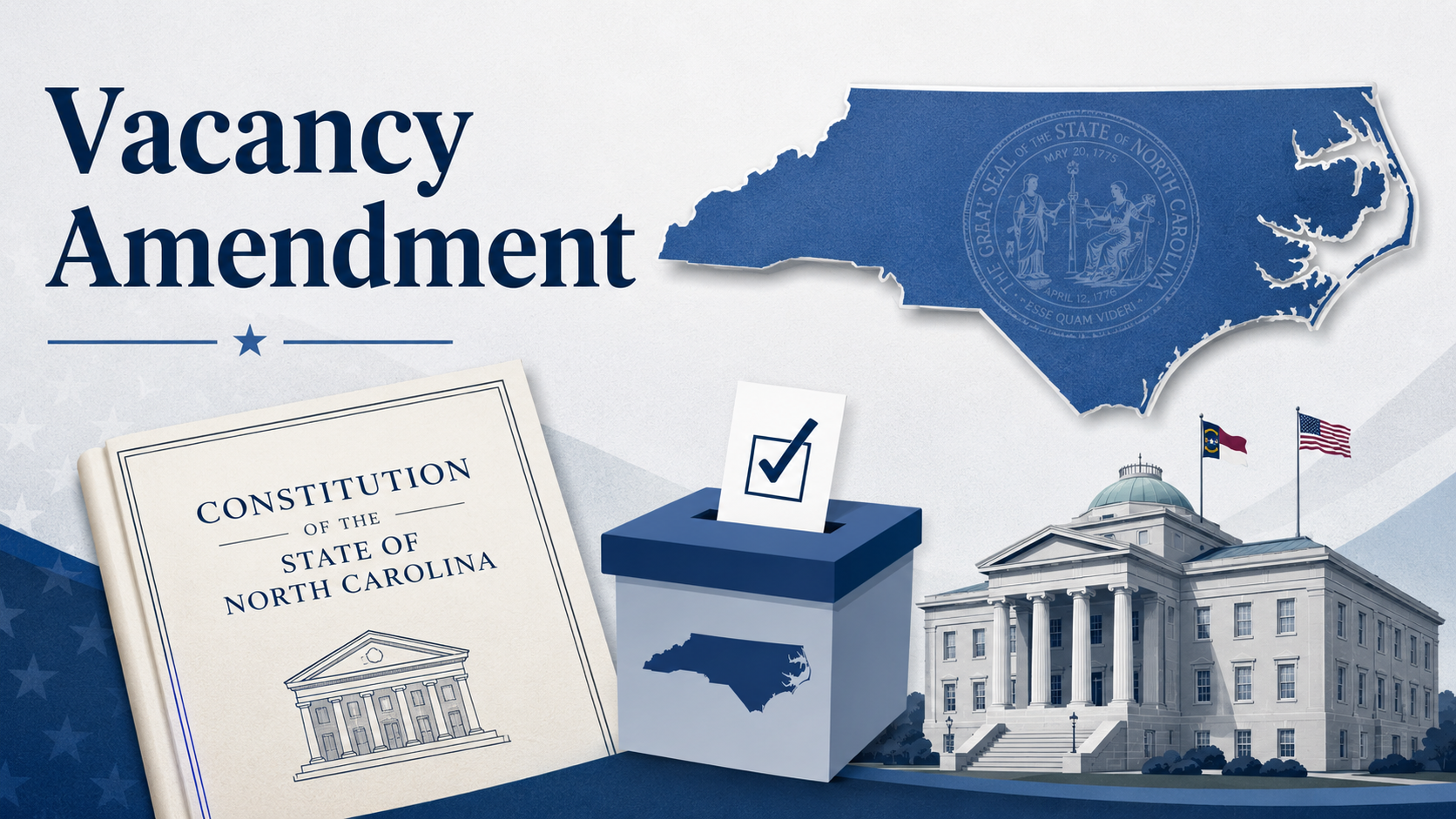
House Bill 443 would ask voters whether to change how vacancies are filled for several statewide elected executive offices.
RALEIGH — A proposed constitutional amendment changing how vacancies are filled for several statewide executive offices is back on the legislative calendar.
House Bill 443, titled “Const. Amendment: Council of State Vacancies,” was listed on the Senate Rules and Operations Committee calendar for Wednesday, July 1. The bill previously passed the House and was referred to Senate Rules on May 20.
The measure would place a constitutional amendment before voters at the statewide general election on Nov. 3, 2026. According to the Legislative Reporting Service summary, the proposal would amend Section 7(3) of Article III of the North Carolina Constitution, which addresses vacancies in several Council of State offices.
The affected offices would include Secretary of State, Auditor, Treasurer, Superintendent of Public Instruction, Attorney General, Commissioner of Agriculture, Commissioner of Labor and Commissioner of Insurance.
Under the proposal, if the vacating officer had been elected as the nominee of a political party, the governor would be required to appoint a replacement from a list of three qualified people recommended by the political party affiliated with the officer at the time of election. The party would have 30 days to make a recommendation.
Because the proposal would amend the state constitution, it would require voter approval. The bill summary states that the State Board of Elections would certify the referendum results, and if a majority of voters approved the amendment, the Secretary of State would enroll it among the office’s permanent records.
The bill passed the House on May 20 by a 73-46 vote on second reading and then passed third reading the same day before moving to the Senate.
The proposal has statewide political and governmental significance because it would alter the appointment process for vacancies in elected executive offices that are chosen by voters statewide.
Editor’s note: This article was drafted with the assistance of artificial intelligence and was reviewed and fact-checked by a member of the NC Political News editorial team before publication.