State opens application period for electric grid resilience projects
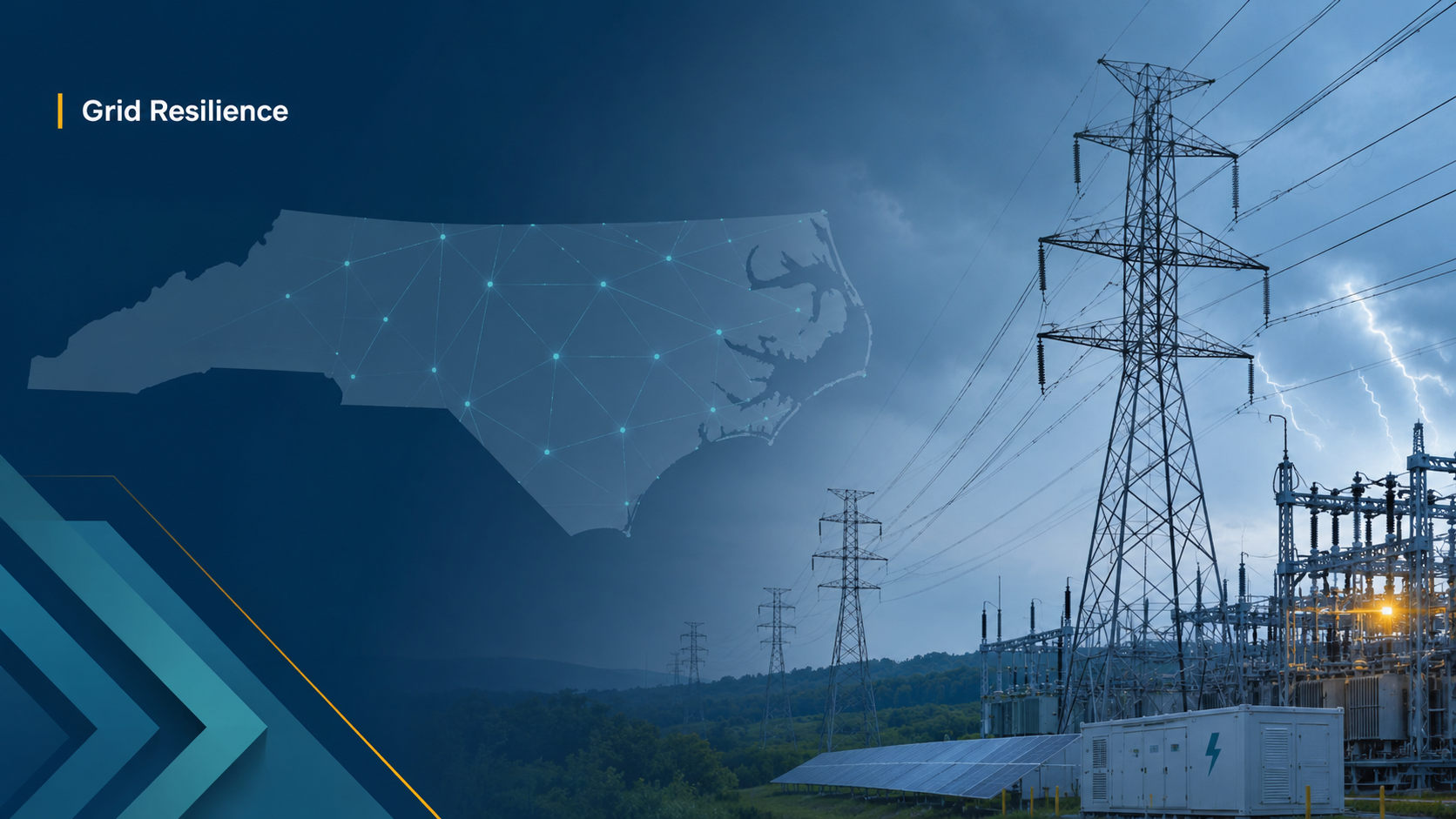
RALEIGH, N.C. — The North Carolina Department of Environmental Quality is accepting applications for electric grid resilience projects through June 26, opening a new round of funding aimed at modernizing the state’s electric grid and reducing outages.
The department’s State Energy Office announced Thursday that it is seeking applications through the third grant cycle of the Preventing Outages while Enhancing the Resiliency of the Electric Grid program, known as POWER Up.
Approximately $8.65 million is available for projects. DEQ said the program will also leverage $1.29 million in state matching funds, bringing the total minimum investment in grid resilience to $9.9 million.
The program is intended to support projects that modernize and upgrade electric grid infrastructure. DEQ said proposed projects should address grid resilience and outage prevention, including projects that reduce risks from disruptive events and climate-related threats in parts of the state most vulnerable to natural disasters.
Funding decisions will be guided by three objectives: grid modernization, access to resilient and reliable energy, and workforce development. DEQ said projects may include grid technologies that strengthen resilience and increase flexibility, reliability improvements for communities at greater outage risk or facing higher energy burdens, and workforce commitments tied to attracting, training and retaining skilled workers.
Eligible applicants include electric grid operators, electricity storage operators and generators, transmission owners or operators, and distribution providers.
The grant cycle comes as North Carolina continues to face repeated storm and flooding threats, particularly in coastal and rural communities where extended power outages can affect emergency response, medical access, local businesses and public services.
The announcement also places grid reliability within a broader policy debate over infrastructure spending, disaster preparation and energy resilience. Those issues have become more prominent as severe weather, population growth and new industrial demands place additional pressure on electric systems.
Applications are due June 26.
Editor’s note: This article was drafted with the assistance of artificial intelligence and was reviewed and fact-checked by a member of the NC Political News editorial team before publication.