Stein signs 2026 state budget into law
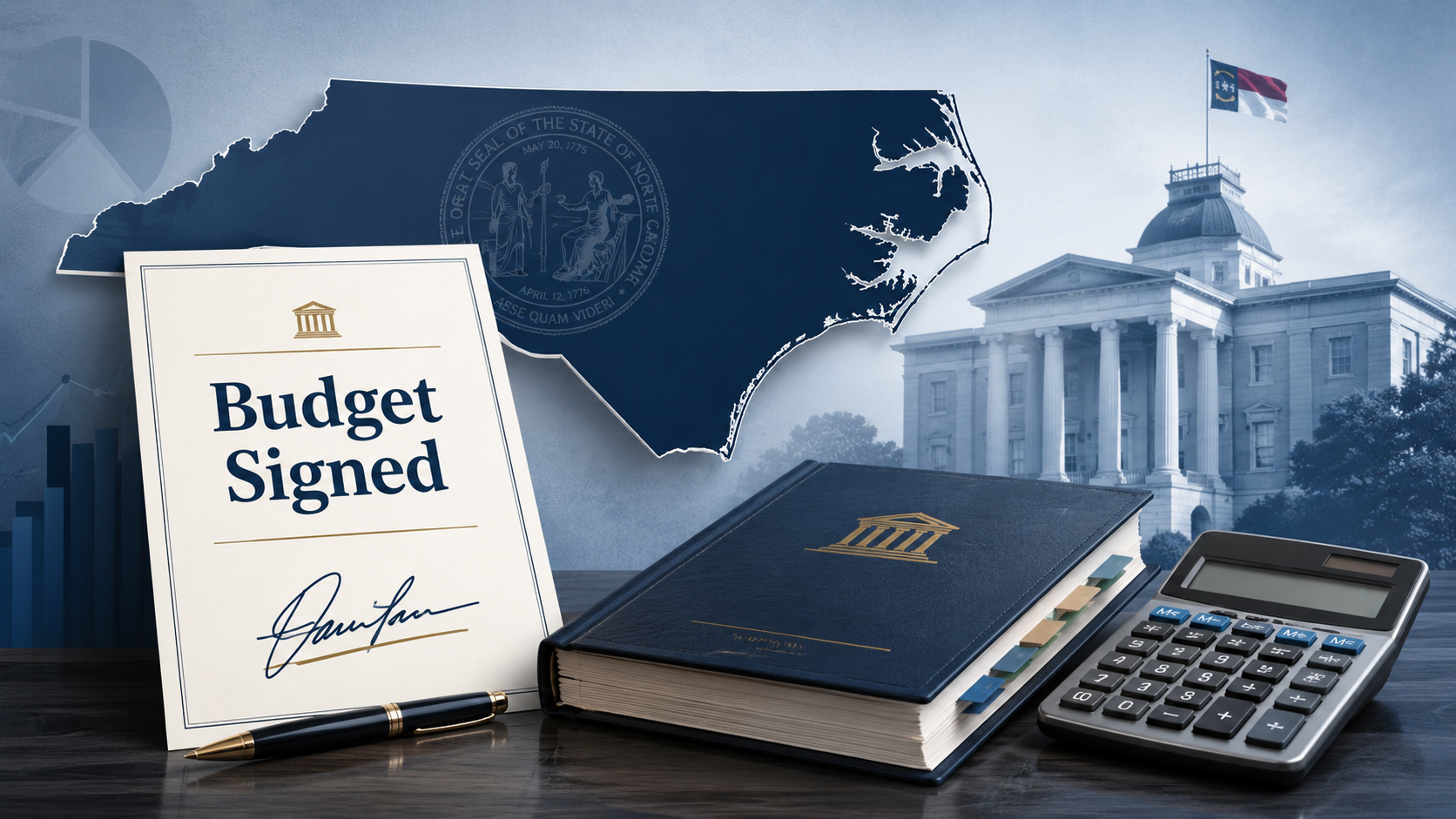
Gov. Josh Stein signed Senate Bill 257 on July 7, enacting North Carolina’s 2026 state budget after final legislative votes last week.
RALEIGH — Gov. Josh Stein signed North Carolina’s 2026 state budget into law Tuesday, approving Senate Bill 257 after final House and Senate votes last week.
The bill, titled the 2026 Appropriations Act, became Session Law 2026-41 on July 7, according to the North Carolina General Assembly. The measure had been ratified and presented to the governor July 2 after the House and Senate adopted the conference report.
The House approved the conference report on third reading 88-21, while the Senate approved it 35-10. The legislation is the state’s main spending plan for the 2026 budget year and affects state agencies, public education, Medicaid, employee compensation, infrastructure and other areas of state government.
Stein’s office said the budget is North Carolina’s first full state budget in more than two years. In a statement, Stein said the spending plan includes teacher pay raises, fully funds Medicaid for the year and provides salary increases for law enforcement and public safety officers.
The governor also pointed to funding for community colleges, the Division of Motor Vehicles, child care, cybersecurity, a new veterans’ home, clean drinking water and summer food programs for children.
Stein did not endorse every part of the budget. In his statement, he said the spending plan has “real flaws,” including the elimination of more than 1,000 state government positions and provisions he said shift power from the executive branch or target local governments.
Stein also signed House Bill 56, the 2026 Budget Technical Corrections bill, on July 7. That bill became Session Law 2026-42. The General Assembly bill page lists the measure as containing appropriations and local appropriations, with subject areas including budgeting, education, higher education, information technology, local government, public records, state employees, telecommunications and the University of North Carolina system.
The budget signing moves the debate from passage to implementation, with state agencies, school systems, universities and other public bodies now responsible for carrying out the new spending plan and related technical corrections.
Editor’s note: This article was drafted with the assistance of artificial intelligence and was reviewed and fact-checked by a member of the NC Political News editorial team before publication.