Jackson sues over USPS mail ballot rule ahead of North Carolina absentee voting
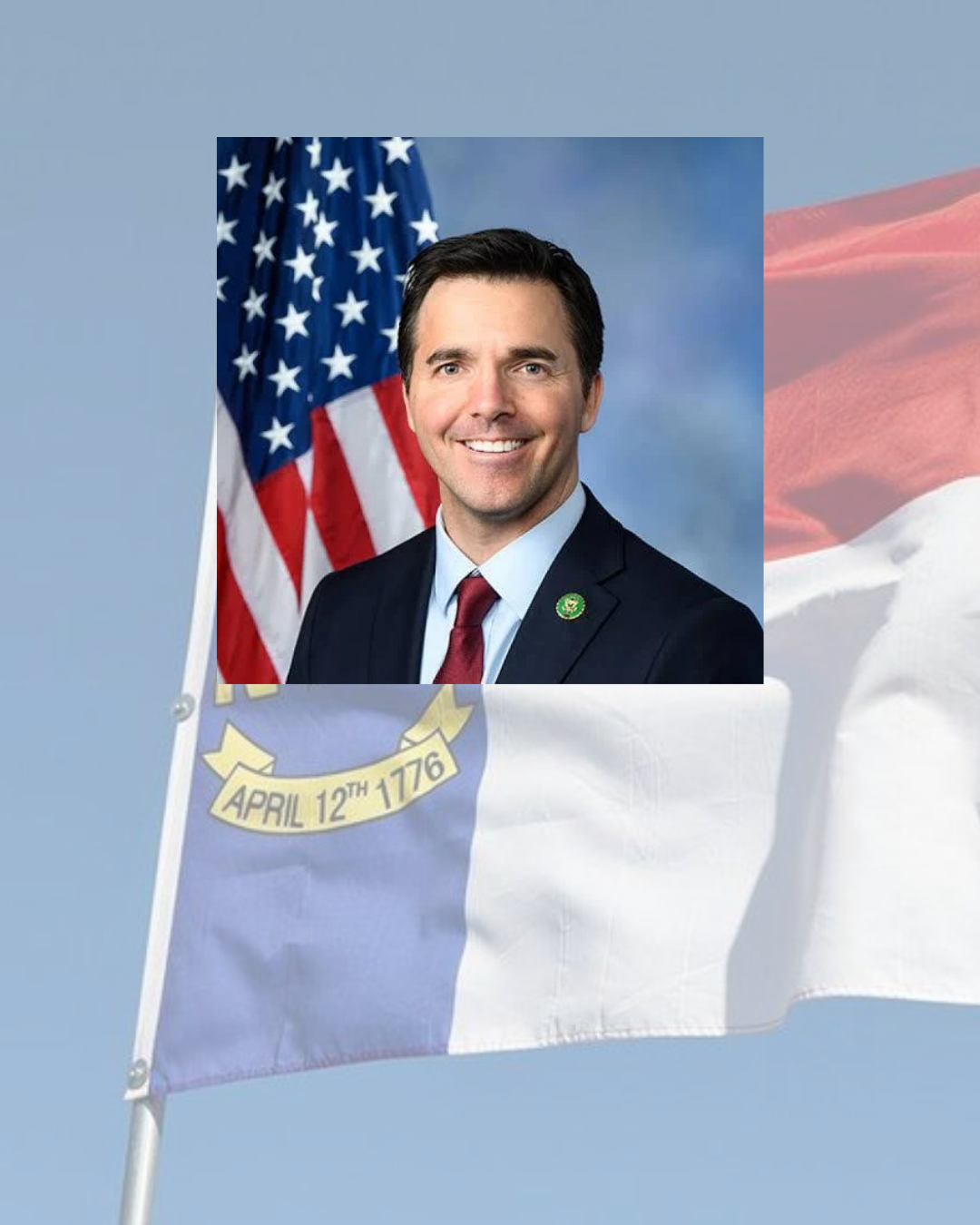
North Carolina Attorney General Jeff Jackson sued Wednesday over a new United States Postal Service rule that he says could interfere with mail-in voting shortly before county boards of elections are required to begin sending absentee ballots for the 2026 midterm elections.
The North Carolina Department of Justice said the rule would require states to enroll nearly all mail-in voters in an electronic portal that USPS has not previously used and to provide the Postal Service with barcodes for each voter’s ballot envelope. According to the department, USPS would refuse to mail ballots when a barcode cannot be found in the portal, even if the voter is eligible under state law.
The lawsuit argues that the rule violates the Constitution by intruding on state authority over election administration. Jackson is asking a court to declare the rule unlawful, permanently block its implementation and issue a temporary restraining order.
The timing is central to the state’s challenge. NCDOJ said North Carolina law requires county boards of elections to begin mailing ballots to eligible voters on Sept. 4. The department said the new requirements would impose “substantial procedural changes” on county boards with about a week to prepare.
“In North Carolina, hundreds of thousands of eligible citizens vote in midterm elections by mail,” the department said in its release, identifying elderly voters, people with disabilities, voters recovering from Hurricane Helene and overseas servicemembers among those who could be affected.
The new lawsuit follows earlier litigation challenging an executive order that directed USPS to create the regulations. According to NCDOJ, trial and appellate courts previously ruled in Jackson’s favor and blocked the order. The department said the U.S. Supreme Court stayed that injunction Monday for procedural reasons, without ruling on the facts or legality of the order.
Jackson is joined in the lawsuit by attorneys general from 24 states and the District of Columbia, along with Pennsylvania’s governor, according to the department.
Editor’s note:
This article was drafted with the assistance of artificial intelligence and was reviewed and fact-checked by a member of the NC Political News editorial team before publication.