North Carolina leads multistate push for stronger robocall-provider screening
A bipartisan coalition of 50 attorneys general is asking the FCC to strengthen customer-verification and monitoring requirements for voice-service providers.
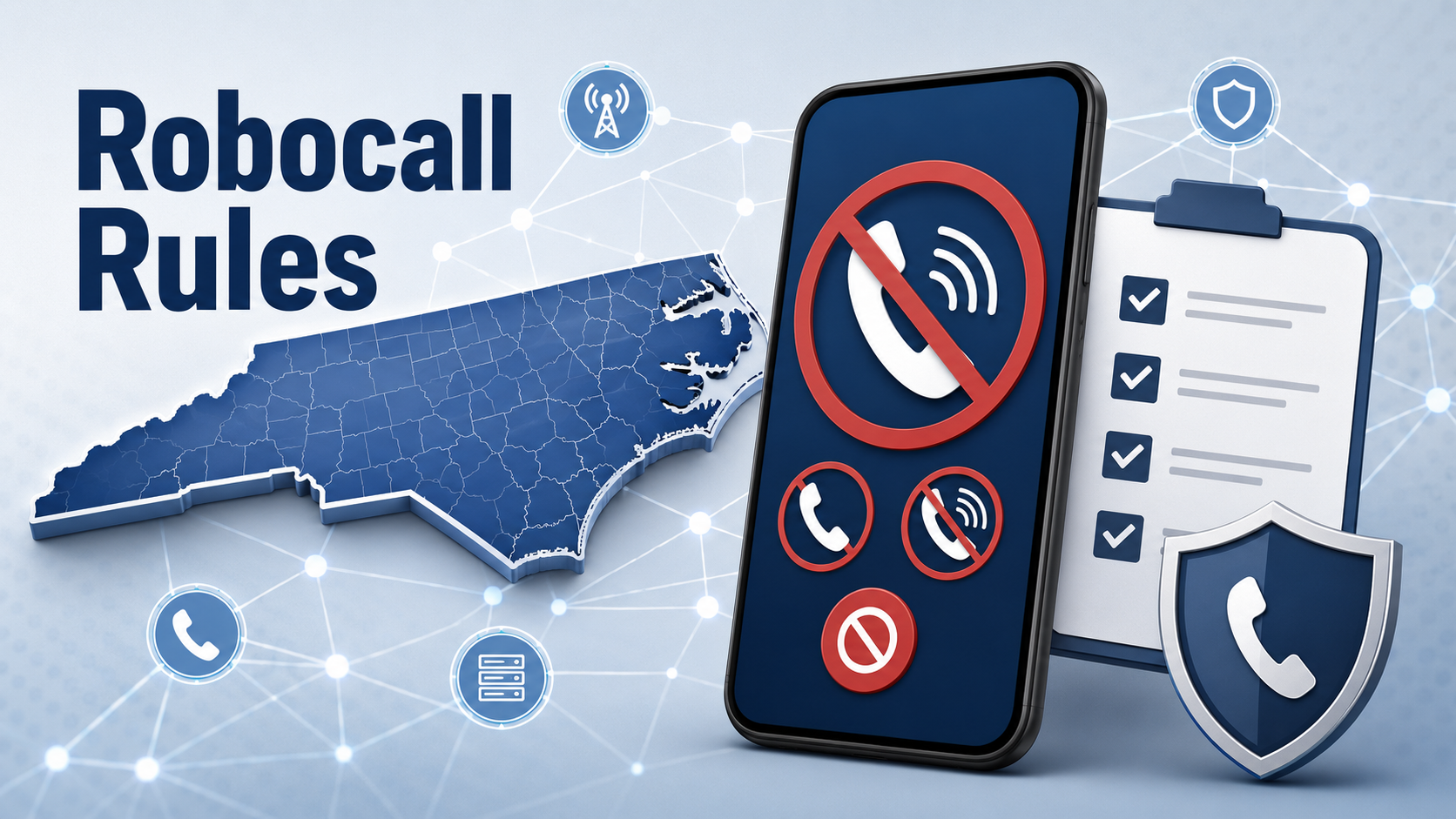
North Carolina is leading a bipartisan coalition of 50 attorneys general asking the Federal Communications Commission to strengthen the rules telecommunications providers use to screen customers and detect illegal robocall operations.
In comments announced Tuesday, the coalition urged the FCC to establish more uniform “Know Your Customer” requirements for companies that originate or transmit calls. The proposal is intended to make it more difficult for fraudulent callers to obtain or retain access to the country’s telephone networks.
According to the North Carolina Department of Justice, consumers nationwide received approximately 29.6 billion scam robocalls and text messages last year and lost nearly $2 billion to related schemes. Those figures cover national activity rather than losses confined to North Carolina.
The coalition is asking the FCC to require voice-service providers to conduct meaningful reviews of prospective business customers before allowing them to originate calls. It also wants providers to monitor customers after service begins and apply enhanced scrutiny to accounts that present a higher risk of facilitating illegal traffic.
The attorneys general further contend that smaller providers should be subject to customer-verification standards comparable to those imposed on larger telecommunications companies. The requested approach is designed to prevent bad actors from moving to providers with weaker screening or monitoring practices.
The filing does not itself create a new federal requirement. The FCC would have to adopt or revise rules through its regulatory process before the coalition’s recommendations could become binding.
Robocall enforcement frequently crosses state and federal jurisdictions because call traffic may be generated, routed and delivered by different companies in multiple locations. State attorneys general can pursue consumer-protection violations, while the FCC regulates interstate and international communications and establishes obligations for telecommunications providers.
North Carolina’s participation gives the state a role in the federal proceeding, but the requested standards would operate nationally if adopted by the FCC. The coalition’s filing focuses on provider verification and network access rather than requiring individual telephone customers to take additional action.
Editor’s note: This article was drafted with the assistance of artificial intelligence and was reviewed and fact-checked by a member of the NC Political News editorial team before publication.